
Category: Medications - Page 4

Global Biosimilar Markets: Europe vs United States - How Regulations Shape Adoption and Cost Savings
Europe led the world in biosimilar adoption with clear regulations and early trust. The U.S. lagged due to legal barriers-but is now accelerating fast. Here’s how the two markets compare and what it means for patients and costs.
Managing Different Doses in Combination Products: Therapeutic Equivalence Explained
Therapeutic equivalence in combination drugs ensures safe substitutions, but different doses and formulations can affect outcomes. Learn how to manage generics safely, avoid errors, and understand FDA ratings.
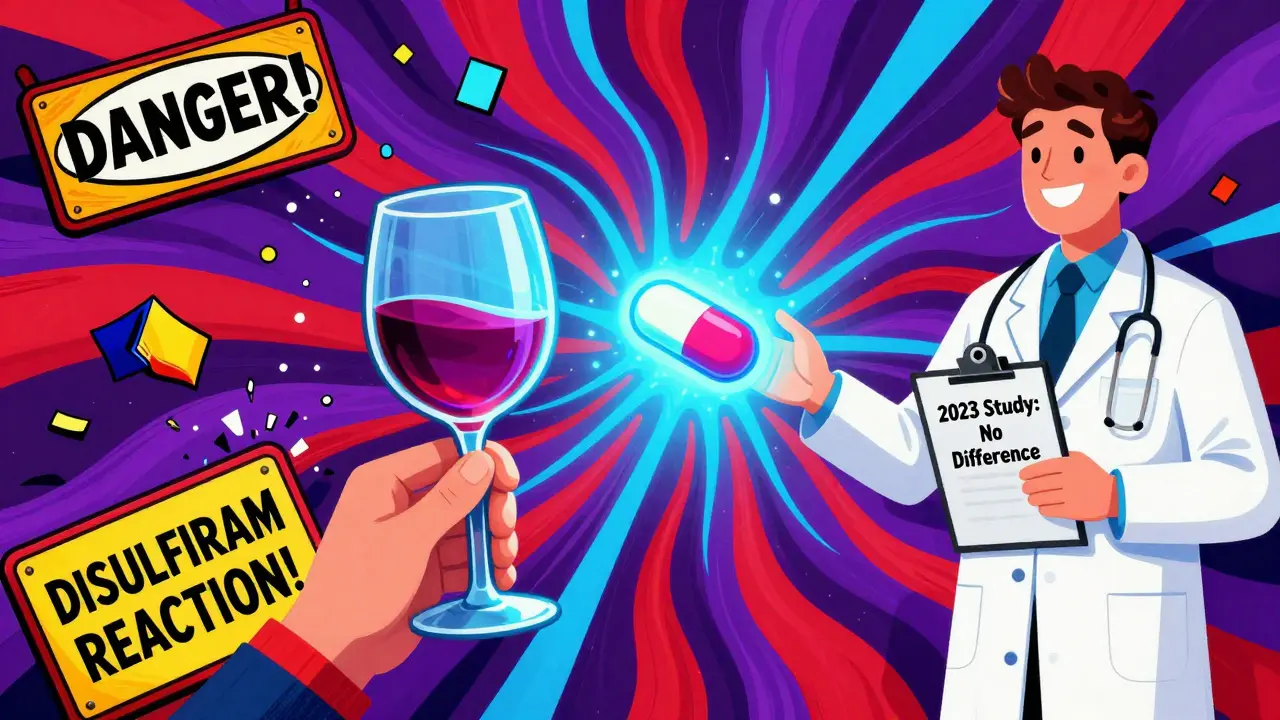
Metronidazole and Alcohol: What Really Happens When You Mix Them
Metronidazole and alcohol don’t cause the dangerous reaction most people think. New research shows no link to acetaldehyde buildup - and the old warning may be based on a myth. Here’s what you really need to know.
Placebo Effect and Generics: How Psychology Affects Your Medication Results
Generic drugs are chemically identical to brand-name versions, but many people feel they work less effectively. This isn't a flaw in the drug-it's the placebo effect in action. Learn how expectations shape your response to medication.
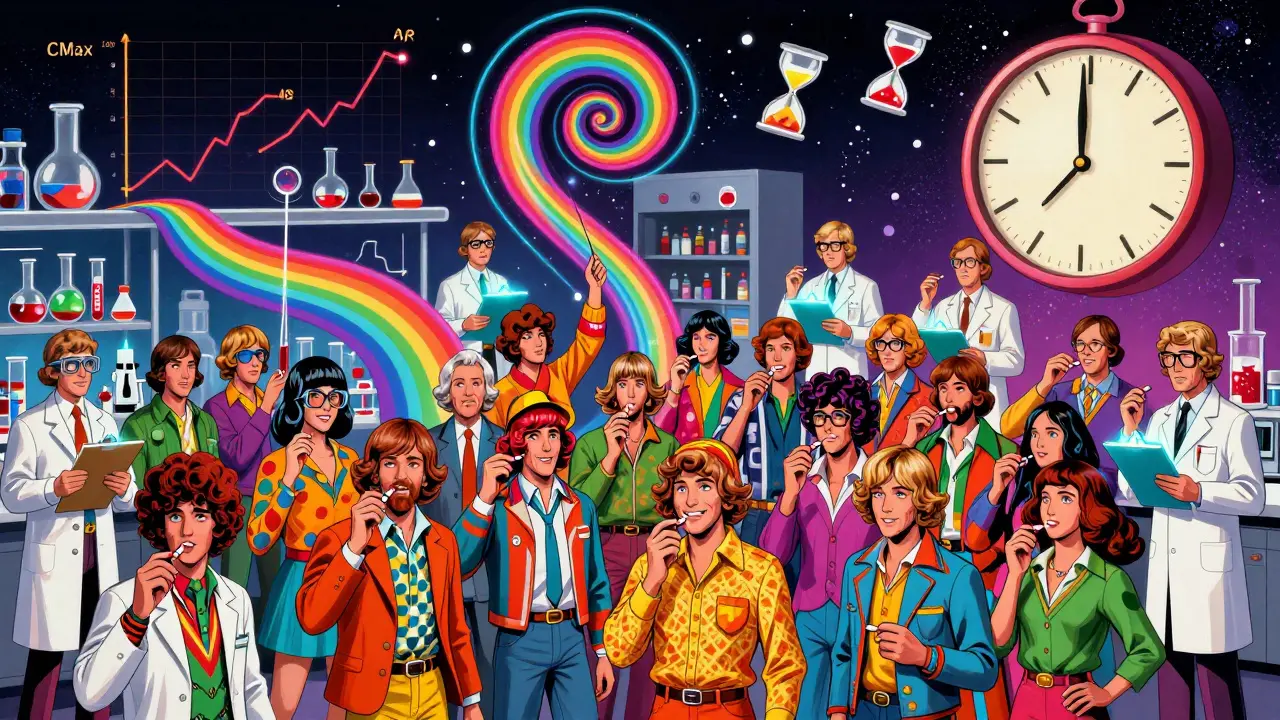
How Bioequivalence Studies Are Conducted: Step-by-Step Process
Bioequivalence studies prove generic drugs work the same as brand-name versions by measuring how quickly and completely the active ingredient enters the bloodstream. This step-by-step process ensures safety, effectiveness, and cost savings.

Sirolimus and Wound Healing: When to Start After Surgery
Sirolimus can delay wound healing after surgery, but new evidence shows timing and patient factors matter more than ever. Learn how to balance rejection prevention with safe healing.

Acarbose and Miglitol: How to Manage Flatulence and GI Side Effects
Learn how to manage gas and bloating from acarbose and miglitol, two diabetes drugs that slow carb digestion. Discover dosing tips, diet changes, and proven remedies to reduce side effects and stay on treatment.
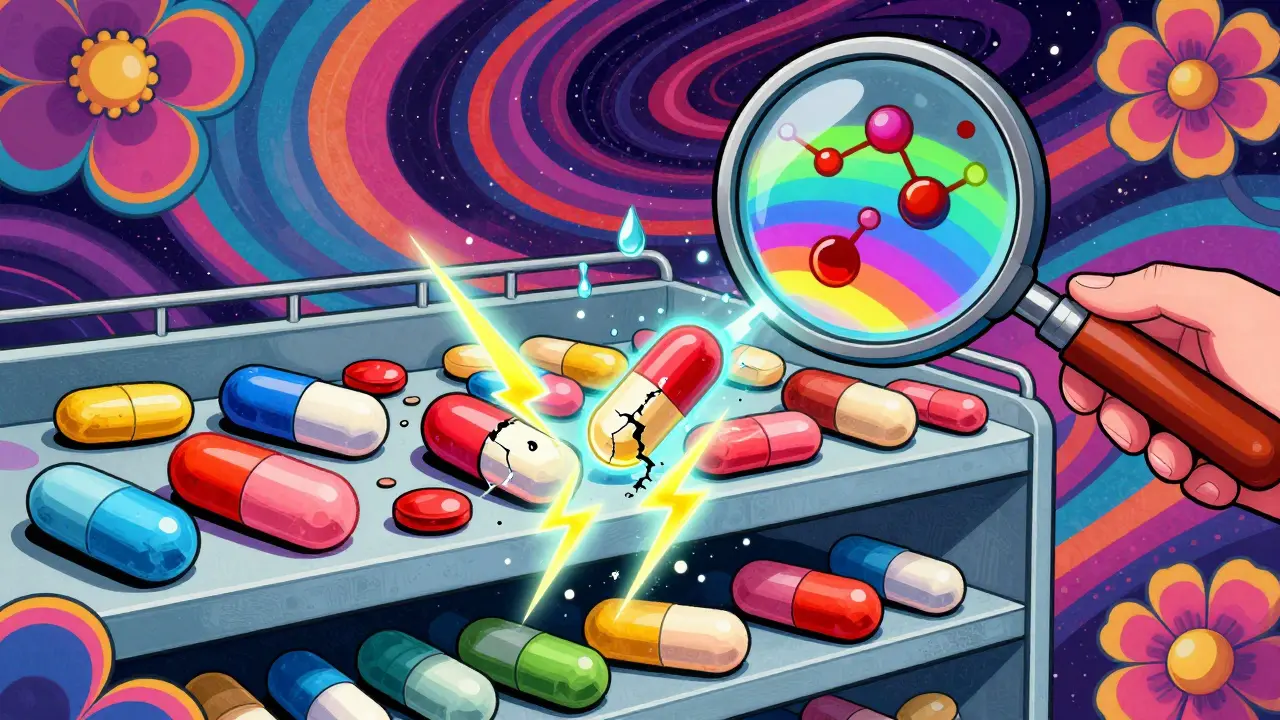
Stability and Shelf Life: Understanding Generic Drug Degradation and Safety Risks
Generic drugs may look identical to brand-name versions, but differences in formulation and storage can lead to faster degradation, reduced effectiveness, and safety risks. Learn how stability testing ensures your medication stays safe and potent.
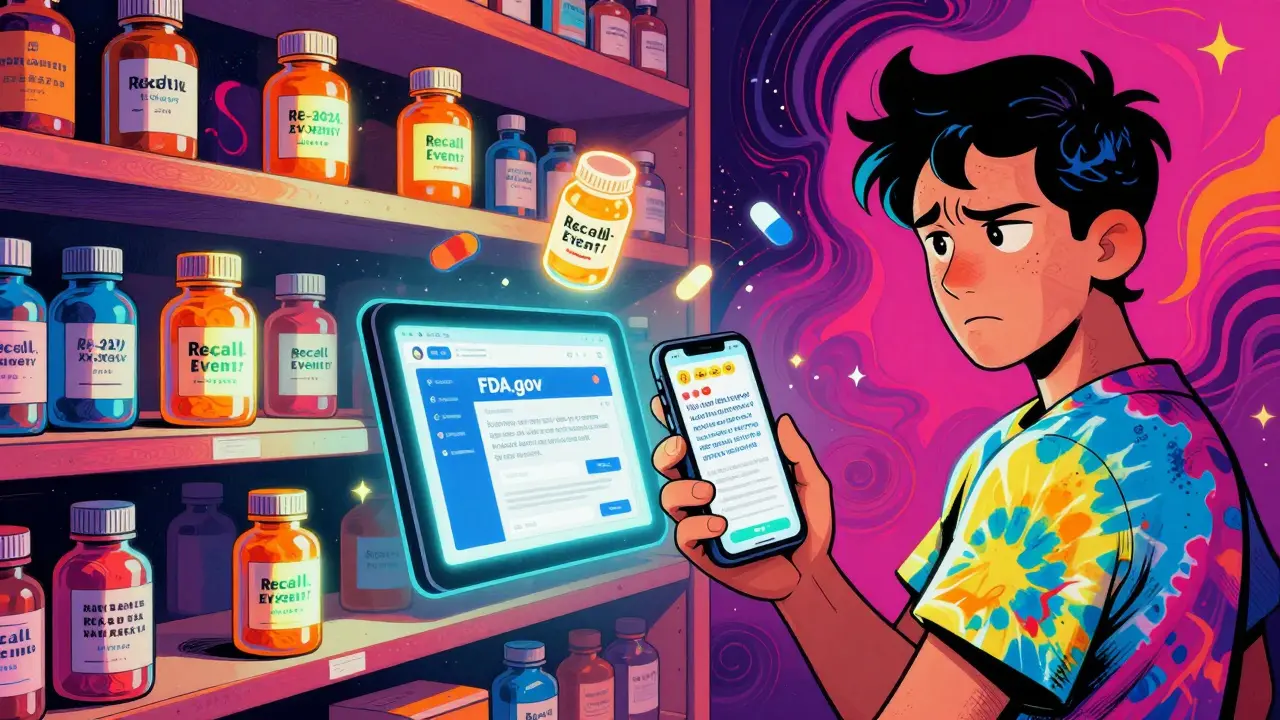
How to Verify Online News about Drug Recalls and Warnings
Learn how to spot fake drug recall alerts online and verify real ones using official FDA sources. Avoid dangerous mistakes by checking lot numbers, recall codes, and official websites.
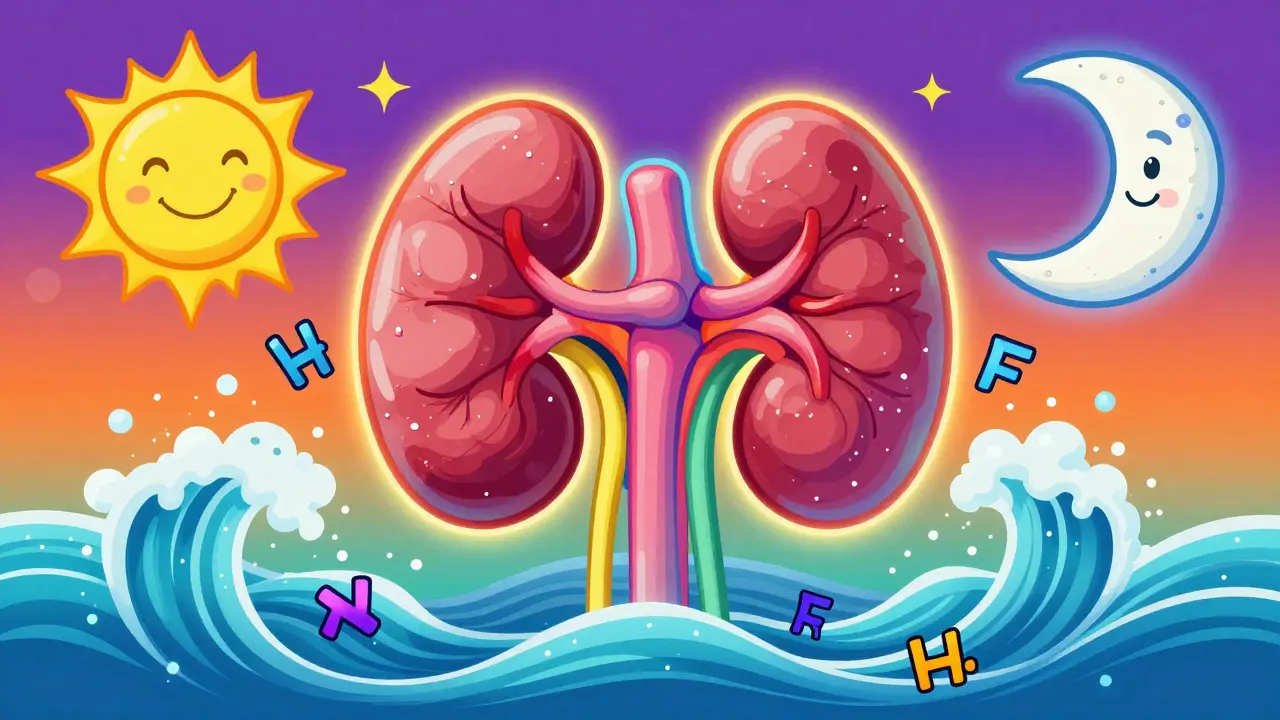
Hydration and Diuretics: How to Balance Fluid Intake to Avoid Side Effects
Learn how to balance fluid intake when taking diuretics to avoid dehydration, electrolyte loss, and dangerous side effects. Practical tips for safe hydration, what to avoid, and how to track your progress.