
Category: Medications - Page 2

International ICH Guidelines: Harmonizing Medication Safety
The ICH guidelines harmonize global drug safety standards, reducing duplication in testing, speeding up approvals, and ensuring consistent quality. From carcinogenicity studies to real-world evidence, ICH shapes how medicines are developed and approved worldwide.
How to Access FDA-Required Medication Guides
Learn how to access FDA-required Medication Guides for your prescription drugs. These safety documents are your legal right-and they can help prevent serious side effects. Know where to find them, how to ask for them, and what’s changing in 2026.
Risk Minimization Tools: Do REMS and Medication Guides Actually Improve Patient Outcomes?
REMS programs are FDA-mandated safety plans for high-risk drugs. But do they actually improve patient outcomes-or just add bureaucracy? We break down the data, the delays, and the real-world impact.
Simvastatin and High-Dose Interactions: Dangerous Combinations
Simvastatin can be life-saving for cholesterol, but high doses combined with certain drugs or grapefruit juice can cause deadly muscle damage. Learn the dangerous combinations and what to do instead.
Documentation Requirements for Recording Generic Substitution Decisions in Pharmacy Practice
Generic drug substitution saves money but requires careful documentation to ensure patient safety. This guide covers what pharmacists must record, when substitutions are allowed, how technology helps, and why proper records prevent errors and legal issues.
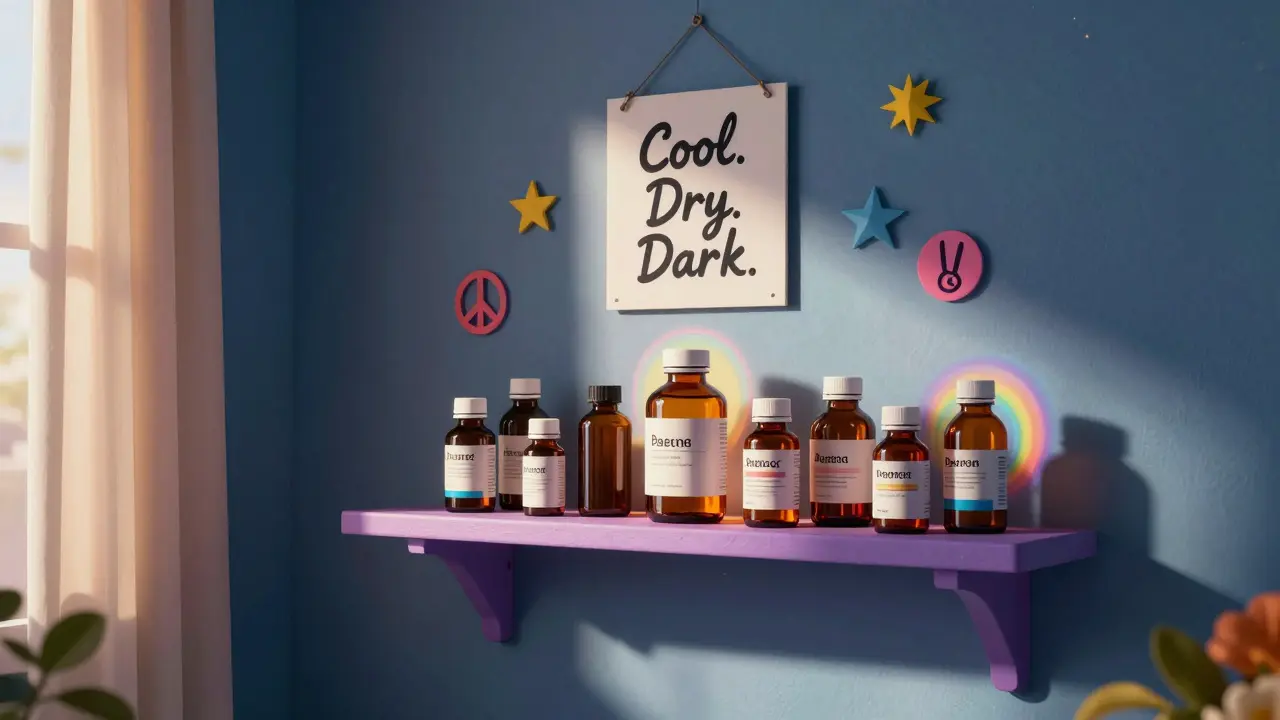
How to Store Medications to Extend Their Shelf Life Safely
Learn how to store medications properly to extend their shelf life safely. Discover which drugs last longer, what conditions to avoid, and when it’s okay to use expired medicine - backed by real science and regulatory data.
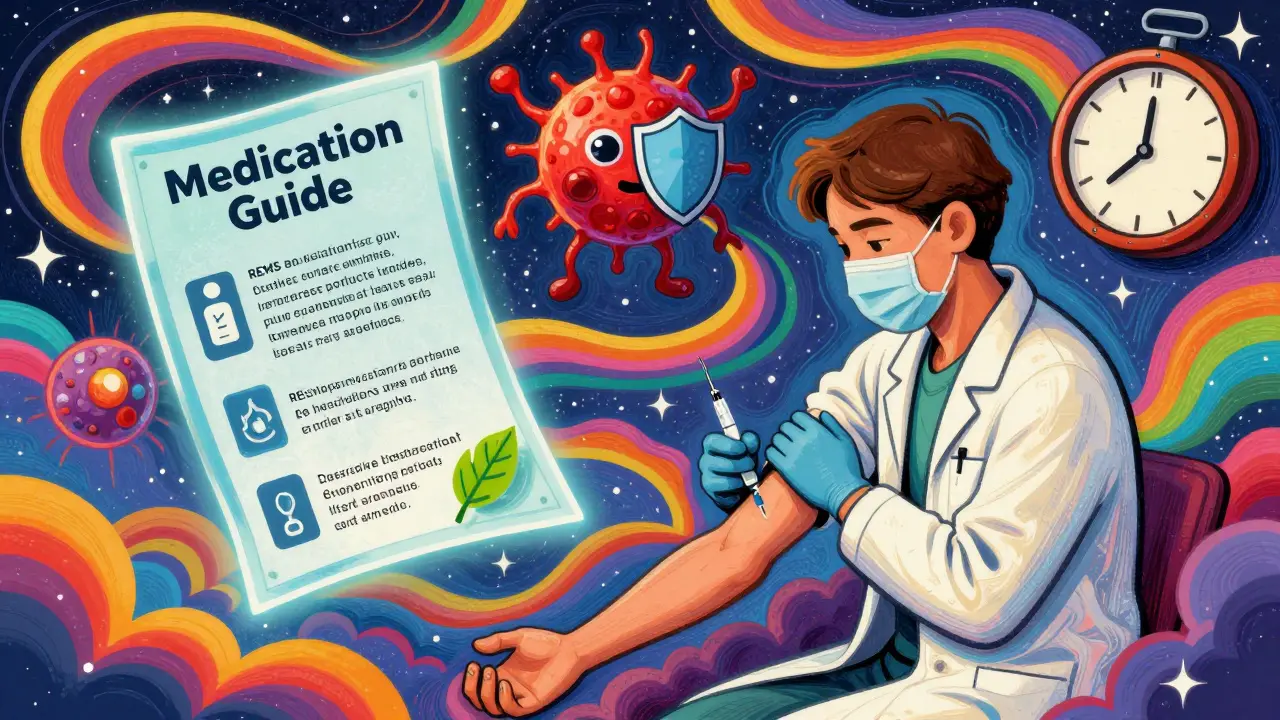
REMS Programs: Risk Evaluation and Mitigation Strategies Explained
REMS programs are FDA-mandated safety systems for high-risk medications, ensuring benefits outweigh risks through prescriber training, patient registries, and dispensing controls. Learn how they work, their real-world impact, and where they're headed.
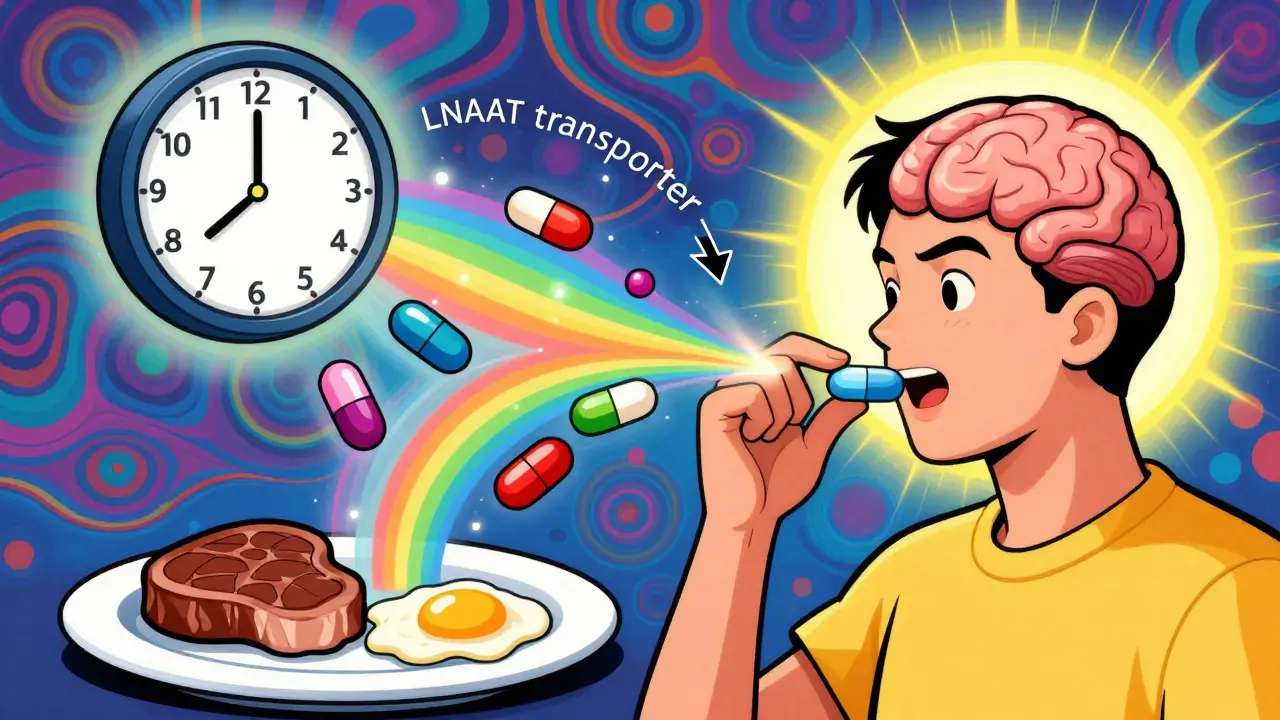
Protein-Rich Foods and Medications: How Diet Affects Absorption and Effectiveness
Protein-rich meals can block the absorption of medications like levodopa, reducing their effectiveness by up to 50%. Learn how timing your meals and shifting protein intake can improve drug performance without cutting out essential nutrients.
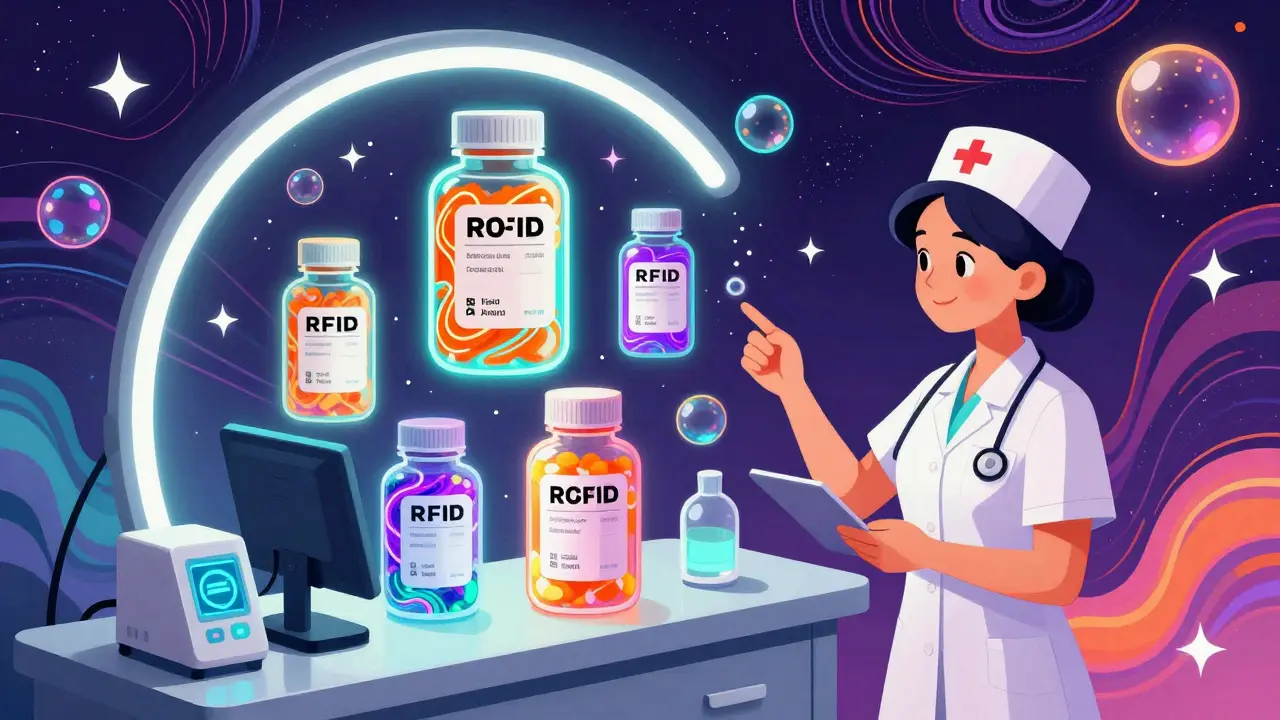
How to Use Technology to Track Medication Expiration Dates
Technology now makes it easy to track medication expiration dates with near-perfect accuracy. From RFID tags in hospitals to mobile apps for EMS, these tools prevent errors, reduce waste, and save lives.
Authorized Generics in 2026: Current Approvals and Market Trends
What are authorized generics? How do they differ from regular generics? Find out the latest FDA-approved options in 2026, why their numbers are dropping, and what this means for your healthcare. Learn about recent approvals like Xyrem and Trulance, regulatory changes, and patient experiences.