
Category: Medications - Page 3
Authorized Generics: A Smarter Switch When Moving Away From Brand Drugs
Authorized generics offer the exact same medication as brand-name drugs at lower prices, making them a safe and smart choice when switching from brand to generic. Ideal for patients on narrow therapeutic index drugs.

OTC Cough Suppressants vs. Expectorants: How to Choose the Right One for Your Cough
Learn how to choose between cough suppressants and expectorants based on your symptoms. Know when to use dextromethorphan vs. guaifenesin - and why mixing them up can make your cough worse.
MAOI Dietary Restrictions: Tyramine Triggers and Safety Plan
MAOI antidepressants require strict dietary control to avoid dangerous tyramine buildup. Learn which foods trigger hypertensive crises, what’s now safe to eat, and how to build a personalized safety plan with blood pressure monitoring and emergency steps.

Statin Medications: What You Need to Know About Cholesterol Benefits and Muscle Pain Risks
Statins lower cholesterol and cut heart attack risk by up to 60%, but muscle pain affects 5-10% of users. Learn how to tell if side effects are real, which statins are gentler, and what to do if you're struggling.

Indian Generic Manufacturers: The World's Pharmacy and Global Drug Exports
India produces one in five generic drugs worldwide, supplying affordable medicines to billions. With 650 FDA-approved plants and 60% of global vaccine output, it's the backbone of global healthcare access.
Insurance Coverage of Generic Combinations vs Individual Generics: What You Pay and Why
Insurance plans often cover two separate generic pills cheaper than a single combo pill with the same ingredients. Learn why this happens, how to save money, and what changed in 2024 with Medicare rules.

Stability Testing Requirements: Temperature and Time Conditions for Pharmaceuticals
Stability testing ensures pharmaceuticals remain safe and effective over time. ICH Q1A(R2) sets global standards for temperature and humidity conditions, with specific requirements for long-term, accelerated, and refrigerated products. Learn the exact conditions and why they matter.

Beta-Blockers and Asthma: Can You Safely Take Them? Safer Options Explained
Beta-blockers were once banned for asthma patients due to bronchospasm risk, but newer cardioselective types like atenolol are now considered safe under medical supervision. Learn which ones work and how to use them safely.

How to Prevent Medication Errors During Care Transitions and Discharge
Medication errors during care transitions cause preventable harm. Learn how medication reconciliation, staff roles, technology, and patient involvement can stop these errors at discharge and improve safety.
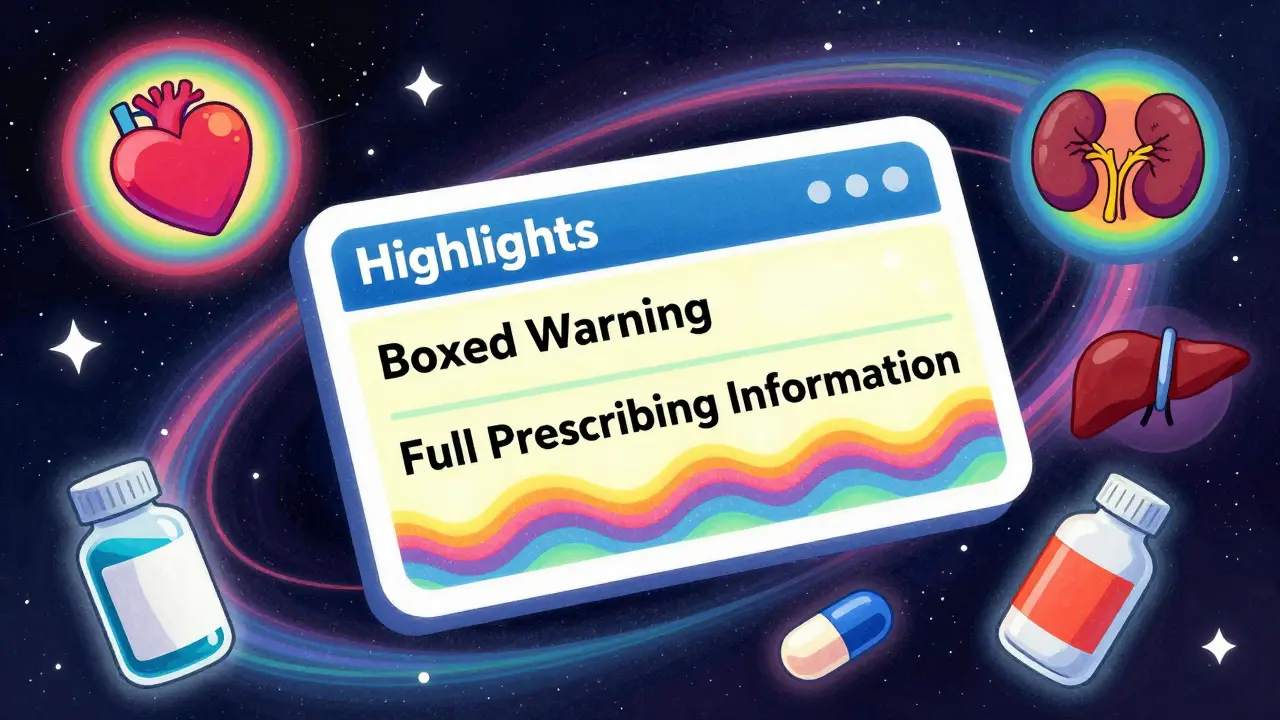
How to Read FDA Drug Labels: Understanding Key Information Sections
Learn how to read FDA drug labels step by step to understand dosing, warnings, side effects, and interactions. Know what each section means and how to use it for safer medication use.