
Medications: Easy Alternatives, Safe Dosing & Affordable Picks
If you’re scrolling through meds and feel overwhelmed, you’re not alone. Lots of people wonder if there’s a better pill, a safer dose, or a cheaper way to get what they need. This page breaks that down in plain language so you can make quick decisions.
Why Look for Medication Alternatives?
Sometimes the first drug your doctor prescribes just isn’t a perfect fit. Maybe it gives you annoying side effects, or you have a health condition like kidney disease that limits what you can take. That’s why we gathered articles on real alternatives. For example, our “Best Valtrex Alternatives for Kidney Patients” piece lists antiviral choices that are easier on the kidneys and explains how to adjust the dose.
If muscle spasms keep you up at night, the “Cyclobenzaprine Alternatives in 2025” guide shows six other relaxers, each with its own pros and cons. You’ll learn which ones tend to cause less drowsiness or have a lower risk of long‑term problems.
Hair loss sufferers can also benefit from our “Exploring 6 Alternatives to Finasteride” article. It walks you through topical treatments, new oral meds, and even surgical options so you can pick what feels right for your budget and lifestyle.
Find Affordable Options & Safe Dosing
Cost is a big factor for many of us. That’s why we wrote “Finding Affordable Dostinex Online,” where we explain how to spot reputable online pharmacies, compare prices, and avoid risky sellers. You’ll also get the usual dose ranges so you know what to expect.
Allergy season? Our “Top 5 Alternatives to Loratadine” article compares non‑sedating antihistamines and even newer biologic shots for severe cases. It’s a quick read that helps you decide if you need something stronger or just a milder option.
For those dealing with premature ejaculation, the “9 Alternatives to Priligy in 2025” guide lists prescription pills, over‑the‑counter products, and behavioral tips—all explained without jargon.
Each article on this page follows the same pattern: a short intro, key benefits, potential side effects, and practical dosing advice. That way you can skim, pick what matters, and move on with confidence.
What’s next? Pick an article that matches your current need and read the quick bullet points. If you still have questions, jot them down and ask your pharmacist or doctor—having the right info makes that conversation smoother.
Remember, switching meds isn’t a decision to take lightly, but having clear alternatives in front of you cuts the guesswork. Use this guide as your first stop, then talk to a professional for personalized advice.
Stay safe, stay informed, and keep your health simple with the right medication choices.
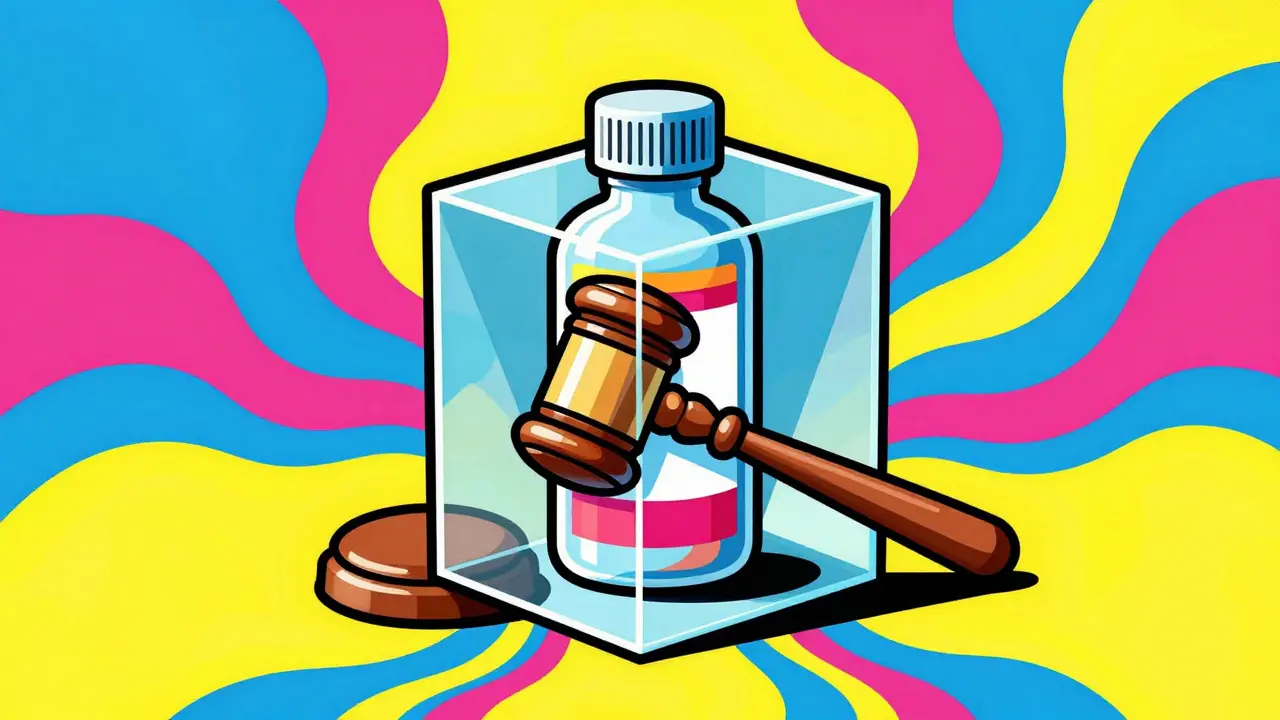
30-month stay: how litigation delays generic approval under Hatch-Waxman
Explore how the 30-month stay under the Hatch-Waxman Act limits generic drug approval and impacts medication pricing through patent litigation delays.
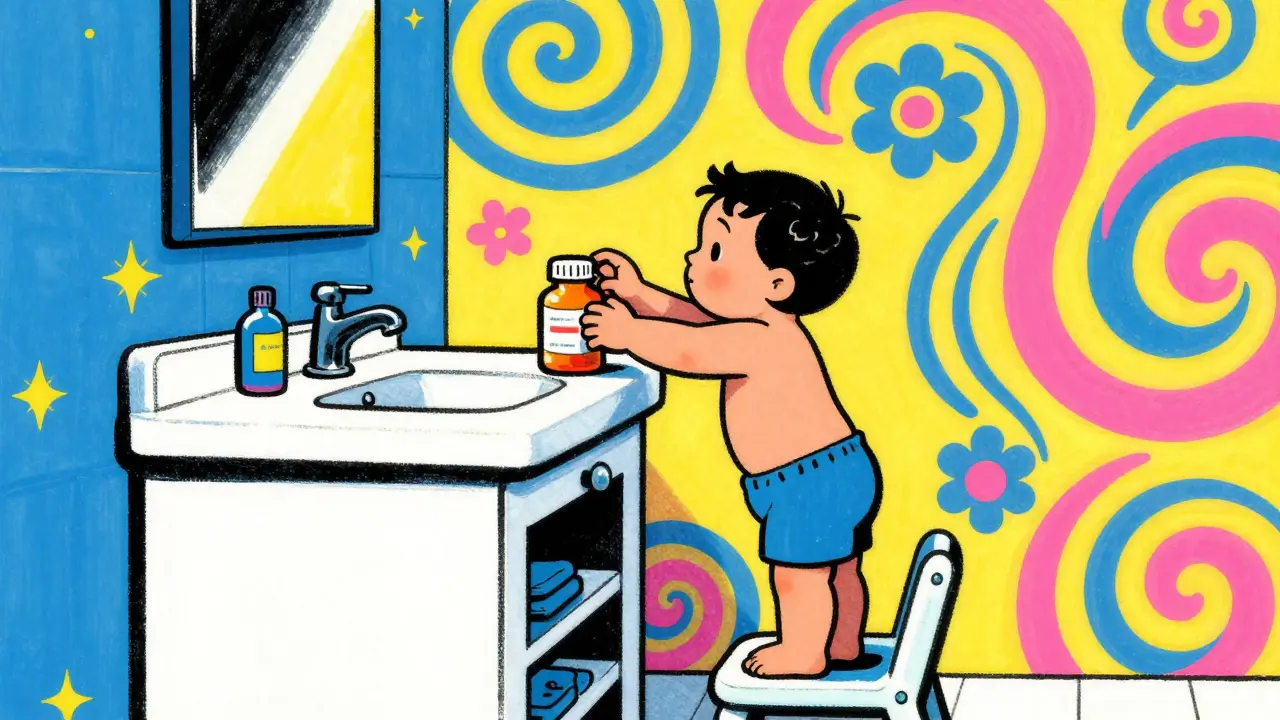
Storing Medications Away from Children: Safety Best Practices
Protecting children from accidental medication ingestion requires more than just caps. Learn effective storage locations, lockbox options, and travel safety strategies.
FDA Black Box Warnings Explained: What They Mean for Your Medicine
Learn about FDA black box warnings, the highest-level safety alerts for prescription drugs. Understand how these alerts work, common examples, and how to manage risks safely.

How to Request Written Medication Instructions You Understand
Learn how to request clear, written medication instructions you can actually understand. Know your rights, use proven strategies, and get the simple, plain-language guidance you need to take your meds safely.
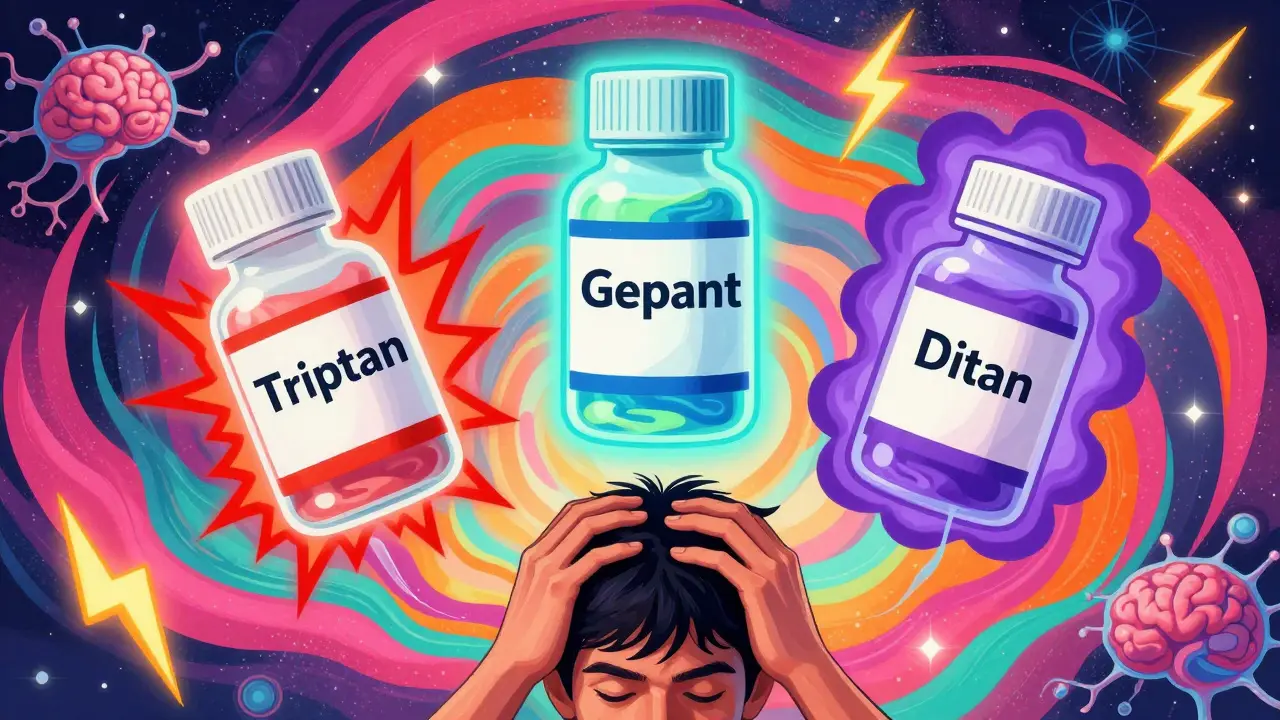
Migraine Medications: Triptans, Gepants, and Ditans Safety Compared
Triptans, gepants, and ditans treat migraines differently-and their safety profiles vary greatly. Learn which offers the fastest relief, the fewest side effects, and the safest option for heart patients.
Generic Drug Prices Over Time: Year-by-Year Changes and What They Mean for You
Generic drugs save billions each year, but prices for some medications have skyrocketed due to lack of competition. Learn why some generics cost more than others and how to find the lowest price.
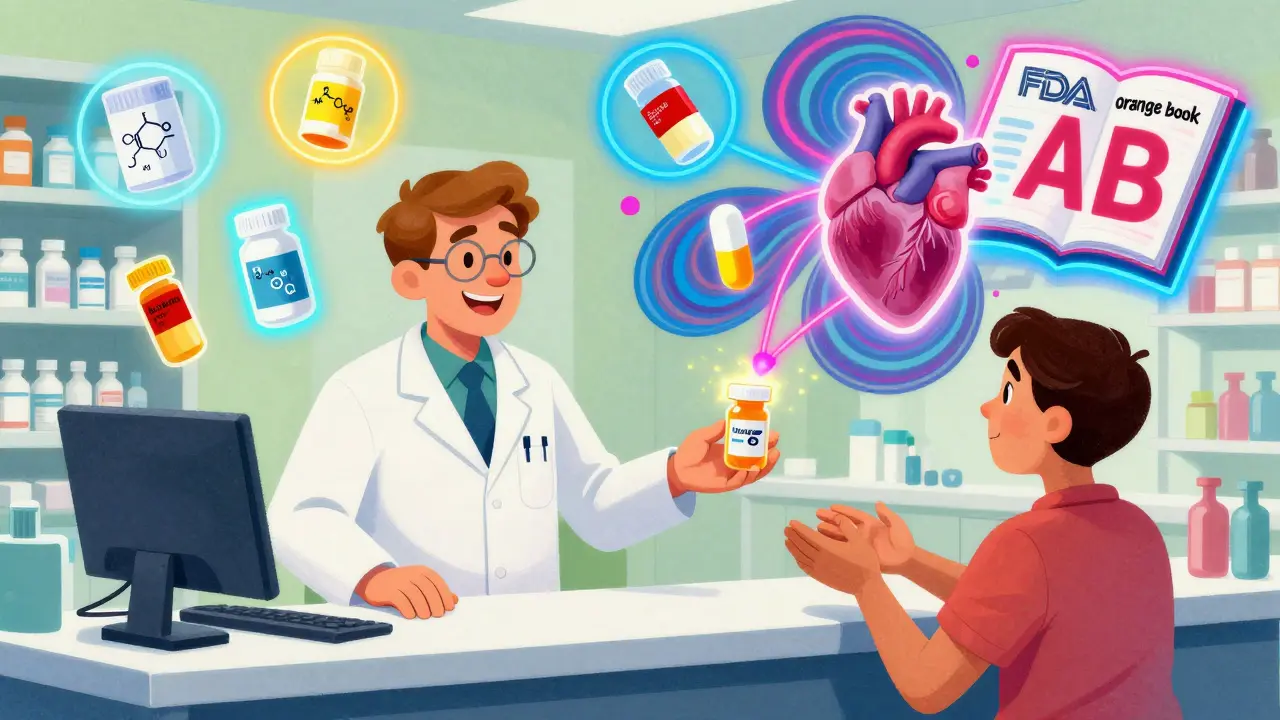
How to Decide Between Multiple Generics for the Same Medication
Learn how to choose between multiple generic versions of the same medication using FDA guidelines, therapeutic equivalence codes, and patient-specific advice. Understand when switching generics is safe - and when it could be risky.

International ICH Guidelines: Harmonizing Medication Safety
The ICH guidelines harmonize global drug safety standards, reducing duplication in testing, speeding up approvals, and ensuring consistent quality. From carcinogenicity studies to real-world evidence, ICH shapes how medicines are developed and approved worldwide.
How to Access FDA-Required Medication Guides
Learn how to access FDA-required Medication Guides for your prescription drugs. These safety documents are your legal right-and they can help prevent serious side effects. Know where to find them, how to ask for them, and what’s changing in 2026.
Risk Minimization Tools: Do REMS and Medication Guides Actually Improve Patient Outcomes?
REMS programs are FDA-mandated safety plans for high-risk drugs. But do they actually improve patient outcomes-or just add bureaucracy? We break down the data, the delays, and the real-world impact.