
Health and Wellness Tips – Simple Guides for Better Living
Welcome to the Health and Wellness hub at DivvyDose Pharmaceuticals. Here you’ll find short, straight‑to‑the‑point advice on everything from common meds to natural supplements. Whether you’re looking to soothe a headache, boost immunity, or understand how a drug works, we’ve got quick answers that fit into your busy day.
Everyday Health Basics
First things first: good health starts with routine habits. Drinking enough water, getting 7‑8 hours of sleep, and moving a little each day can prevent many minor issues before they start. If you notice an upset stomach or frequent hiccups, try adjusting meal times or cutting back on spicy foods – simple tweaks often do the trick.
When it comes to over‑the‑counter meds, read the label carefully and follow dosing instructions. For example, Lamisil (terbinafine) works best when you apply it exactly as directed for nail fungus, and taking too much won’t speed up results. If you’re unsure about a dosage, a quick chat with a pharmacist can save headaches later.
Natural Supplements Made Easy
Supplements like Magnolia bark, peppermint oil, or lady fern can add extra support to your routine, but they aren’t magic pills. Peppermint capsules may calm stress and curb cravings, while winter savory offers antioxidants that help the immune system during cold months. Start with a low dose and see how your body reacts before increasing.
Calcium for lactose‑intolerant folks? Look for fortified plant milks, leafy greens, or a calcium supplement labeled “lactose‑free.” Pair it with vitamin D to improve absorption – the combo works better than dairy alone.
If you’re on prescription meds like carvedilol for heart health, keep a daily log of how you feel. Note any dizziness, fatigue, or changes in blood pressure. This record helps your doctor adjust treatment without guesswork.
Remember, supplements and medications can interact. Before adding a new herb or vitamin, check with your healthcare provider, especially if you’re already taking drugs like sertraline or flagyl.
Staying informed doesn’t have to be overwhelming. Use our quick guides – such as “How Heart Disease Links to Lung Inflammation” or “Environmental Triggers for Headaches” – to get practical steps you can apply right away.
Got a specific question? Our search bar lets you type in keywords like "acid reflux cough" or "eczema tips," and you’ll land on short articles that cut straight to the advice you need. No fluff, just real‑world help.Keep this page bookmarked. We update it regularly with fresh tips, new supplement reviews, and easy‑to‑follow medication guides. Your health journey is personal – we’re here to make it clearer, safer, and a little easier every day.

Pediatric Vision Screening: Early Detection and Referral for Young Children
Pediatric vision screening is a simple, life-changing check that catches vision problems like lazy eye and misaligned eyes before they cause permanent damage. Early detection before age 5 can restore vision in up to 95% of cases.

Women vs Men: Why Medication Side Effects Differ by Sex
Women experience adverse drug reactions nearly twice as often as men due to biological differences and decades of male-dominated clinical trials. Learn why dosing needs to change - and what you can do about it.

Vitamin C and Iron: How to Maximize Absorption and Avoid Drug Interactions
Vitamin C boosts iron absorption by turning hard-to-absorb iron into a form your body can use. Pairing 100-200mg of vitamin C with plant-based iron meals can double uptake-but timing and avoiding blockers like calcium and coffee are critical.

Weight Loss for NAFLD: Diet, Exercise, and Medication Options
Losing 5-10% of body weight can reverse fatty liver disease (MASH). Diet, exercise, and now semaglutide are proven tools-but lifestyle changes remain the foundation. Learn what works, what doesn’t, and how to make it last.

Quality Assurance Concerns: Why Manufacturing Fears Are Reshaping Brand Trust in 2026
Manufacturing quality fears are undermining brand trust in 2026-not because products are failing, but because customers sense uncertainty. Here's how quality assurance is becoming a psychological battleground for brand loyalty.

OTC Athlete’s Foot Treatments: Safe and Effective Use Guide
Learn how to safely and effectively treat athlete’s foot with OTC antifungals. Discover which products work best, how to use them right, and how to prevent recurrence.

Ulcerative Colitis: Understanding Colon Inflammation and How to Achieve Remission
Ulcerative colitis is a chronic colon inflammation that causes bloody diarrhea, pain, and urgency. Learn how medications, diet, and lifestyle help achieve long-term remission and improve quality of life.
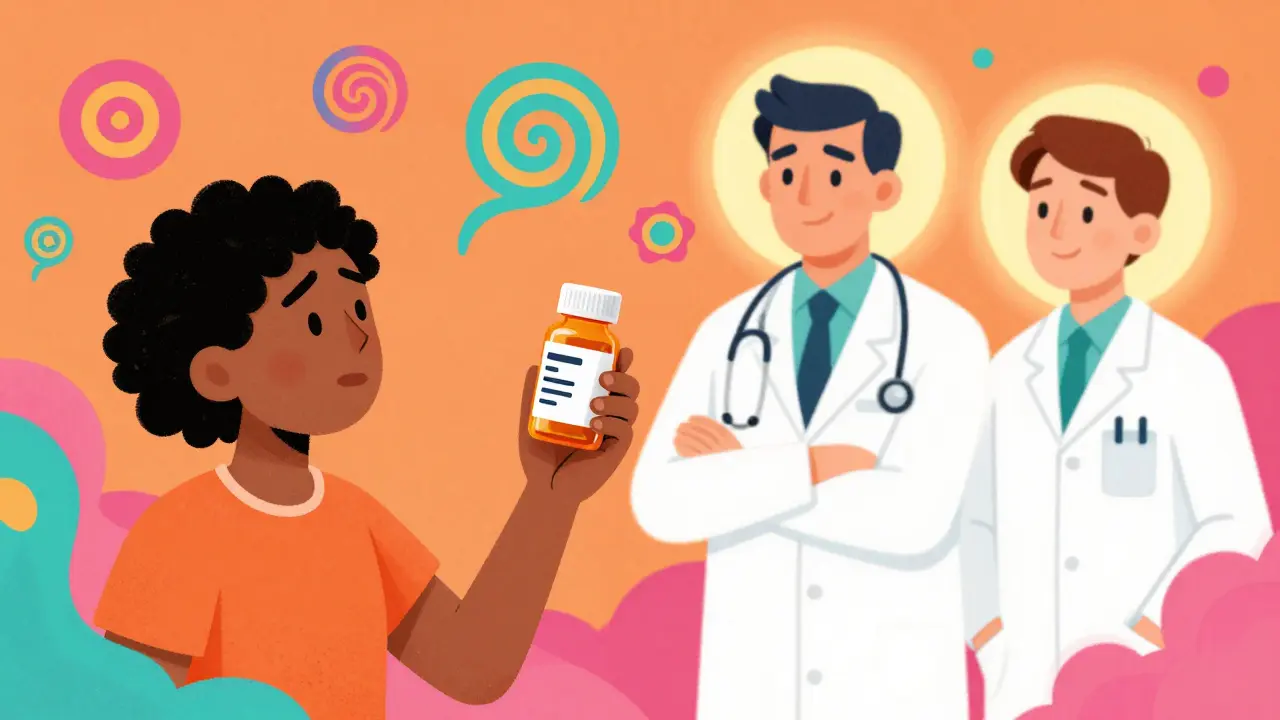
How to Report a Medication Error or Concern to Your Provider
Learn how to report a medication error to your provider or the FDA-step by step. Know what counts as an error, why reporting matters, and how to make sure your voice leads to real change.

How to Monitor Seniors for Over-Sedation and Overdose Signs
Learn how to spot early signs of over-sedation and overdose in seniors, what tools to use, how to adjust medication doses safely, and what to do in an emergency. Prevent respiratory depression with simple, proven steps.

Kidney Function Tests Explained: Creatinine, GFR, and Urinalysis
Learn how creatinine, eGFR, and urinalysis tests detect early kidney damage. Understand what the numbers mean, who needs testing, and how to protect your kidneys before it's too late.