
Therapeutic Equivalence: What It Means for Your Generic Medications
When you hear therapeutic equivalence, the official FDA determination that a generic drug performs the same way in the body as its brand-name counterpart. Also known as bioequivalence, it's the backbone of why generics cost less but are still safe to use. This isn't just a label—it’s a guarantee that your pill, capsule, or injection will deliver the same active ingredient, at the same strength, in the same way, to the same place in your body. The FDA doesn’t approve generics unless they prove they work just as well. But here’s the catch: therapeutic equivalence doesn’t always mean identical in every way.
For most people, switching from brand to generic is seamless. But for drugs with a narrow therapeutic index, medications where even tiny differences in blood levels can cause serious harm or treatment failure, like warfarin, levothyroxine, or phenytoin, the story changes. Small shifts in how your body absorbs the drug—because of different fillers, coatings, or manufacturing methods—can throw off your INR, make your thyroid levels swing, or trigger seizures. That’s why some patients report feeling worse after switching, even though the FDA says they’re equivalent. It’s not a failure of the system—it’s a reminder that biology isn’t always predictable. Your body reacts to more than just the active ingredient. Inactive ingredients matter too.
Therapeutic equivalence is tracked in the FDA’s Orange Book, the official public list that rates every approved drug by its equivalence status. You won’t find it on your prescription bottle, but it’s there, and it’s updated daily. If you’re on a critical medication, knowing whether your generic is rated AB (therapeutically equivalent) or something else can save you from avoidable risks. And if you’ve ever had a weird reaction after switching generics—dizziness, fatigue, weird bleeding, or mood changes—you’re not imagining it. Real cases show people needing dose adjustments after a switch, even when the FDA says it’s a match.
What you’ll find in the posts below are real-world stories, science-backed warnings, and practical steps to protect yourself. From how to spot when a generic isn’t working like it should, to why some people react differently to the same drug, to how the FDA tests these drugs in the first place—you’ll get clear, no-fluff answers. This isn’t about theory. It’s about what happens when your pill changes, and what you can do to stay safe.

How to Decide Between Multiple Generics for the Same Medication
Learn how to choose between multiple generic versions of the same medication using FDA guidelines, therapeutic equivalence codes, and patient-specific advice. Understand when switching generics is safe - and when it could be risky.

Documentation Requirements for Recording Generic Substitution Decisions in Pharmacy Practice
Generic drug substitution saves money but requires careful documentation to ensure patient safety. This guide covers what pharmacists must record, when substitutions are allowed, how technology helps, and why proper records prevent errors and legal issues.
Managing Different Doses in Combination Products: Therapeutic Equivalence Explained
Therapeutic equivalence in combination drugs ensures safe substitutions, but different doses and formulations can affect outcomes. Learn how to manage generics safely, avoid errors, and understand FDA ratings.
Medical Society Guidelines on Generic Drug Use: What Doctors Really Think
Medical societies have conflicting stances on generic drug substitution. While most support cost-saving switches, neurologists warn against swapping antiepileptics due to safety risks. Learn why some generics are safe-and others aren't.
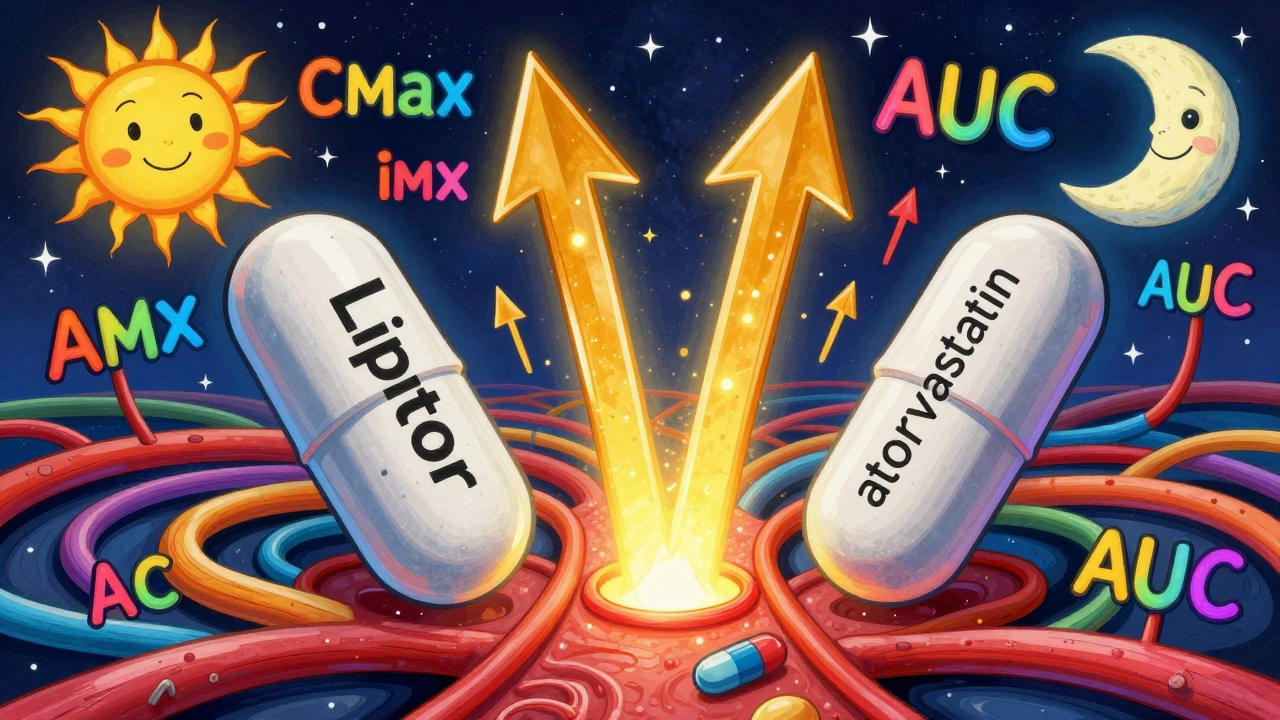
Bioequivalent Medications: What the Term Really Means
Bioequivalent medications are generic drugs proven to work the same as brand-name versions in your body. Learn how the FDA tests them, why they’re safe for most people, and when to be cautious.