
16 Dec 2025
- 12 Comments
When your doctor prescribes a medication, you might assume the pharmacy will give you the brand-name version-unless cost forces a switch. But here’s the reality: generic drugs make up 90% of all prescriptions filled in the U.S., yet only 23% of total drug spending. That’s not just savings-it’s a system built on trust. But who decides when that trust is safe? Medical societies do. And their positions aren’t always what you’d expect.
Why Medical Societies Care About Generic Names
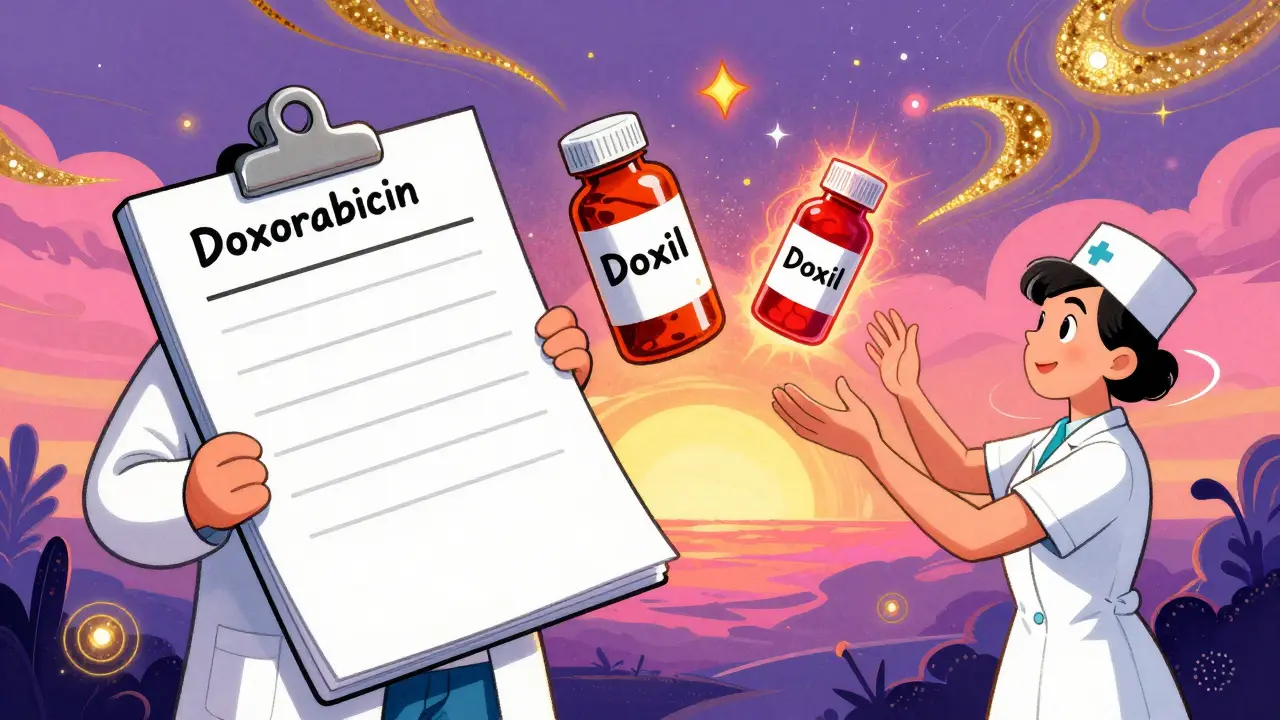
It’s not just about price. It’s about safety. The American Medical Association’s United States Adopted Names (USAN) Council has spent over 60 years making sure generic drug names don’t confuse doctors, pharmacists, or patients. A bad name can mean a deadly mistake. Imagine a nurse grabbing a bottle labeled "Doxil" instead of "Doxorubicin"-two drugs that sound similar but treat different cancers. The USAN Council avoids prefixes that sound too much like other drugs. Their rule? A nonproprietary name must be clear, safe, and easy to use in prescribing, dispensing, and administering. This isn’t bureaucracy. It’s prevention. In 2023, the AMA Journal of Ethics highlighted how naming directly impacts medication errors. A poorly chosen name can lead to wrong dosing, wrong patients, or wrong treatments. That’s why the council doesn’t create new stems unless a drug is truly novel. If it fits an existing class-like "-pril" for ACE inhibitors-it gets grouped. Consistency reduces risk.The Big Divide: Neurology vs. General Medicine
Not all medical specialties agree on generics. The American Academy of Neurology (AAN) has a firm stance: don’t substitute antiepileptic drugs. Why? Because even tiny differences in how a drug is absorbed can trigger seizures. For someone with epilepsy, a 10% drop in blood levels might mean a breakthrough seizure. The CDC estimates 3.4 million Americans live with active epilepsy. For them, switching generics isn’t a cost-saving trick-it’s a gamble. Surveys show 68% of neurologists believe generic substitutions have caused complications in their patients. That’s not fear. It’s experience. The AAN’s position isn’t about distrust in the FDA. It’s about the science of narrow therapeutic index (NTI) drugs. These are medications where the difference between a therapeutic dose and a toxic one is razor-thin. Other NTI drugs include warfarin, levothyroxine, and some anti-seizure meds. Even the FDA acknowledges that bioequivalence standards (80-125% absorption range) might not be enough for these. Meanwhile, the American College of Physicians supports generic substitution for most drugs. Their position is simple: if the FDA says it’s therapeutically equivalent, it’s safe. And the FDA does. Every generic drug must contain the same active ingredient, strength, dosage form, and route of administration as the brand. They must also prove bioequivalence through rigorous testing. The FDA’s data shows that 90% of prescriptions are filled with generics when available-and no spike in adverse events follows.
Oncology’s Hidden Rule: Off-Label Generics Are Okay
Here’s a twist: in cancer care, generics are used in ways the brand-name makers never intended. The National Comprehensive Cancer Network (NCCN) Guidelines list hundreds of off-label uses for generic drugs. For example, a generic chemotherapy drug approved for breast cancer might be used for lymphoma-because the science supports it. And the NCCN says: if it’s therapeutically equivalent, it’s acceptable. This matters because Medicare uses the NCCN Compendia to decide what it will pay for. If a drug isn’t listed, patients might pay thousands out of pocket. So the NCCN’s acceptance of off-label generic use isn’t just clinical-it’s financial. It’s the only compendium that’s disease-specific and nationally recognized. That means a generic drug, even if used off-label, can be covered if the NCCN says it’s valid. This creates a unique system: in oncology, generics aren’t just cheaper alternatives. They’re often the standard of care. And because the NCCN evaluates them by clinical evidence-not brand loyalty-patients get access to treatments that might otherwise be unaffordable.How State Laws Fight (or Fail) Against Medical Advice
Here’s where things get messy. The FDA says generics are interchangeable. The AMA says names should be safe. The AAN says antiepileptics shouldn’t be swapped. But state laws? They vary wildly. Some states require prescriber consent before substituting NTI drugs. Others allow automatic substitution unless the doctor writes "dispense as written" on the prescription. Pharmacists are caught in the middle. They’re trained to save money, but they’re also responsible for patient safety. One pharmacist told a 2023 ASPE report: "I’ve had patients come back in panic because their seizure control changed after a switch. I didn’t make the decision-but I had to explain it." The result? A patchwork system. A patient in California might get a generic antiepileptic without warning. A patient in New York might get the brand name by default. The same drug. Same doctor. Same diagnosis. Different outcomes based on zip code.
Josh Potter
December 16, 2025Bro this is wild. Generics are literally the same damn pills, just cheaper. Why are we acting like switching from Advil to ibuprofen is gonna kill someone? The FDA doesn't play games. If it's approved, it works. Stop overthinking it.
Marie Mee
December 18, 2025they dont want you to know but the big pharma companies own the fda and they make sure the generics are just a little bit off so you keep buying the brand name. i had a seizure after switching and the pharmacist laughed. they know.
Evelyn Vélez Mejía
December 20, 2025The ethical architecture of pharmaceutical nomenclature is a profound reflection of our societal prioritization of efficiency over epistemic humility. When we reduce life-sustaining compounds to interchangeable commodities, we implicitly endorse a utilitarian calculus that treats human physiology as a variable in a cost-benefit spreadsheet. The AAN’s stance is not reactionary-it is ontologically necessary.
Victoria Rogers
December 20, 2025USA is the only country that lets pharmacists swap meds without consent. In Germany they dont mess with your brain pills. We let greedy pharmacy chains play russian roulette with people with epilepsy. This is why americans are dying from bad policy.
Anu radha
December 21, 2025I am from India, we use generics every day. My mother takes levothyroxine generic for 10 years. No problem. Doctors here say same thing: if FDA says ok, then it is ok.
Jigar shah
December 22, 2025Interesting how the FDA’s bioequivalence range of 80–125% is considered sufficient for most drugs but deemed inadequate for NTI drugs. This suggests a systemic inconsistency in regulatory thresholds. Perhaps a tiered bioequivalence model based on therapeutic index could be more scientifically rigorous.
Sachin Bhorde
December 23, 2025yo the NCCN thing is fire. oncology is the only place where generics are legit the gold standard. like why pay $15k for a brand chemo when the generic does the same thing? the system is rigged for profit but cancer docs are calling it out. respect.
Joe Bartlett
December 24, 2025I work in a UK pharmacy. We switch generics daily. No issues. Americans overthink everything. If it's on the shelf, it's safe. End of story.
Linda Caldwell
December 24, 2025My dad was on warfarin for 12 years and switched generics three times. Never missed a beat. Doctors scare people to keep the system going. Trust the science not the fear.
Donna Packard
December 26, 2025I’ve been on generic sertraline for 7 years. No mood swings, no side effects. If your doctor says it’s safe, let them be the expert. Don’t let fear make you pay more.
Sam Clark
December 26, 2025The divergence between specialty guidelines and federal policy is not a flaw-it is a feature of precision medicine. Neurology’s caution reflects clinical nuance; general medicine’s pragmatism reflects population health. Both are valid. The solution lies in clear labeling, pharmacist education, and patient transparency-not blanket bans or mandates.
Anna Giakoumakatou
December 26, 2025Ah yes, the noble pharmacists, bravely fighting the evil pharmaceutical industrial complex by... saving patients money. How poetic. Next they'll be donating their own salaries to buy people brand-name insulin. Truly, the heroes of our age.