
Generic Drugs: What They Are, Why They Work, and When They Don’t
When you hear generic drugs, brand-name medications sold under their chemical name after the patent expires. Also known as generic medications, they’re meant to be just as effective as the original—but not always in practice. The FDA says they must contain the same active ingredient, strength, and dosage form. But what’s not required to be identical? The fillers, dyes, and coatings—the inactive ingredients, non-active components that help the pill dissolve, stick together, or be absorbed. For most people, that doesn’t matter. For others, it changes everything.
Take levothyroxine, a thyroid hormone replacement used by millions. A small change in how it’s absorbed can throw off your TSH levels, leaving you tired, gaining weight, or feeling anxious—even if your doctor says your dose is perfect. The same goes for warfarin, a blood thinner where tiny differences in absorption can mean the difference between a clot and a bleed. These are drugs with a narrow therapeutic index, a medical term meaning the gap between a helpful dose and a dangerous one is very small. Switching brands here isn’t like swapping one brand of aspirin for another. It’s like changing the fuel in your car without checking if the engine can handle it.
That’s why some people feel worse after switching to a generic. It’s not in their head. It’s the bioequivalence, how fast and how much of the drug enters the bloodstream. Two generics can meet FDA standards and still behave differently in your body. Studies show this happens most often with drugs that need precise absorption—like seizure meds, heart drugs, and thyroid pills. It’s not common, but it’s real enough that doctors and pharmacists now ask: "Which brand did you take before?" before filling a new prescription.
And it’s not just about the pill itself. Some generics use different dyes or binders that trigger allergies or upset stomachs in sensitive people. One person might switch from brand-name to generic and feel fine. Another might get headaches, rashes, or nausea—no change in dose, just a change in the filler. That’s why keeping track of which generic you’re on matters. Write it down. Note the shape, color, or imprint. If you start feeling off after a refill, check if the pill looks different.
There’s no rule that says generics are inferior. Most of the time, they’re just as good—and save you hundreds a year. But if you’re on a drug where even a 5% change in absorption can cause problems, don’t assume all generics are equal. Talk to your pharmacist. Ask if your insurance lets you stick with one brand. If your symptoms change after a switch, don’t brush it off. Your body might be telling you something the label doesn’t.
Below, you’ll find real stories and science-backed advice on what to watch for when you switch to a generic. From thyroid meds to blood thinners, from silent side effects to how to ask the right questions at the pharmacy—this collection is for anyone who’s ever wondered, "Why does this feel different?"
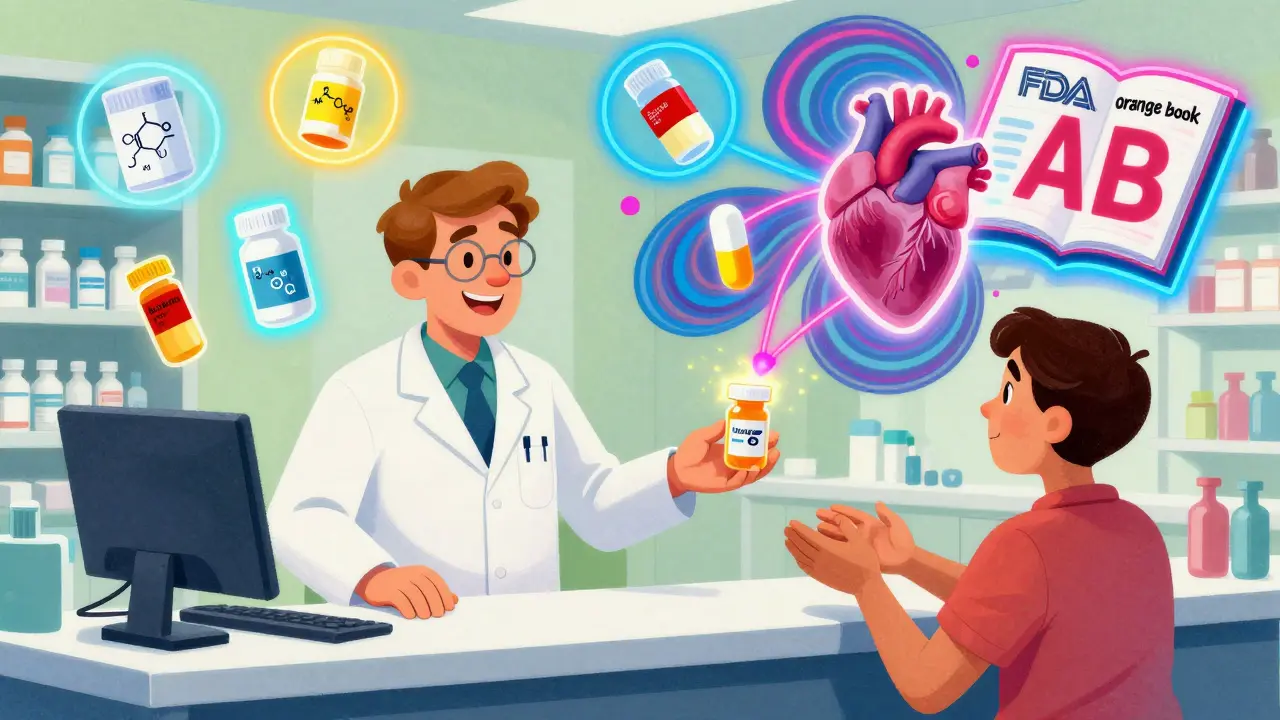
How to Decide Between Multiple Generics for the Same Medication
Learn how to choose between multiple generic versions of the same medication using FDA guidelines, therapeutic equivalence codes, and patient-specific advice. Understand when switching generics is safe - and when it could be risky.
Authorized Generics: A Smarter Switch When Moving Away From Brand Drugs
Authorized generics offer the exact same medication as brand-name drugs at lower prices, making them a safe and smart choice when switching from brand to generic. Ideal for patients on narrow therapeutic index drugs.
Managing Different Doses in Combination Products: Therapeutic Equivalence Explained
Therapeutic equivalence in combination drugs ensures safe substitutions, but different doses and formulations can affect outcomes. Learn how to manage generics safely, avoid errors, and understand FDA ratings.
Placebo Effect and Generics: How Psychology Affects Your Medication Results
Generic drugs are chemically identical to brand-name versions, but many people feel they work less effectively. This isn't a flaw in the drug-it's the placebo effect in action. Learn how expectations shape your response to medication.
Stability and Shelf Life: Understanding Generic Drug Degradation and Safety Risks
Generic drugs may look identical to brand-name versions, but differences in formulation and storage can lead to faster degradation, reduced effectiveness, and safety risks. Learn how stability testing ensures your medication stays safe and potent.
Labeling Effect: How the Word 'Generic' Can Change How You Feel About Your Medicine
The labeling effect shows that calling a drug 'generic' can make patients feel it's less effective-even when it's chemically identical to the brand-name version. This psychological bias impacts adherence, pain perception, and trust in treatment.
Bioequivalent Medications: What the Term Really Means
Bioequivalent medications are generic drugs proven to work the same as brand-name versions in your body. Learn how the FDA tests them, why they’re safe for most people, and when to be cautious.
Generic Drugs: Complete Definition and Core Characteristics
Generic drugs are identical to brand-name drugs in active ingredients, strength, and effectiveness, but cost up to 85% less. Learn how the FDA ensures they're safe, how they're approved, and why they're the smart choice for most patients.
Generic vs. Brand Name Drugs: What You Really Need to Know About Bioequivalence and Cost Savings
Generic drugs save billions and work just as well as brand-name versions. Learn how bioequivalence works, when to be cautious, and why cost shouldn't make you doubt their safety.
Quality by Design in Generic Drug Development: Modern Science-Based Approaches
Quality by Design (QbD) is now mandatory for generic drug approvals. Learn how modern science-based approaches improve bioequivalence, cut approval times, and reduce costs-while avoiding common pitfalls in implementation.