

20 Apr 2026
- 0 Comments
Leaving the hospital is often a whirlwind. Between the relief of going home and the exhaustion of recovery, it is easy to overlook one critical detail: your pills. If you have ever noticed that the medication list you were handed at discharge doesn't match what you were taking before you entered the hospital, you aren't alone. In fact, discrepancies happen in up to 70% of hospital transitions. These aren't just clerical errors; they are dangerous gaps that can lead to missed doses of life-saving drugs or accidental overdoses.
The goal is a process called medication reconciliation is a formal healthcare process where providers compare a patient's most recent medication list against their current home regimen to identify and resolve discrepancies. When done right, this simple check is one of the most effective ways to prevent hospital readmissions. Whether you are a patient, a caregiver, or a healthcare provider, getting this right in the first 30 days post-discharge is the key to a safe recovery.
The Danger of the "Discharge Gap"
Why is this such a big deal? During a hospital stay, doctors often change your medications to treat acute issues. They might stop a blood thinner to perform a procedure or add a new diuretic to manage fluid buildup. The danger arises when these temporary changes become permanent because no one told your primary doctor to restart the old medicine or stop the new one.
For example, if a patient has an anticoagulant stopped during surgery and it isn't explicitly listed as "restart" on the discharge summary, the patient might go weeks without critical protection against blood clots. Research shows that these types of errors contribute to about 6.5% of all hospital readmissions, costing the healthcare system billions annually. It is not just about following a list; it is about ensuring the transition from inpatient care to outpatient life is seamless.
Step-by-Step Guide to Coordinating Your Plan
If you are heading home or helping a loved one, follow these steps to ensure nothing slips through the cracks. The most critical window for this is the first 30 days after leaving the facility.
- Request a Complete Discharge List: Before leaving the hospital, ask for a printed list of every medication you are taking, including the dose, frequency, and the exact reason why you are taking it. Ensure it clearly states which old medications should be stopped and which new ones were added.
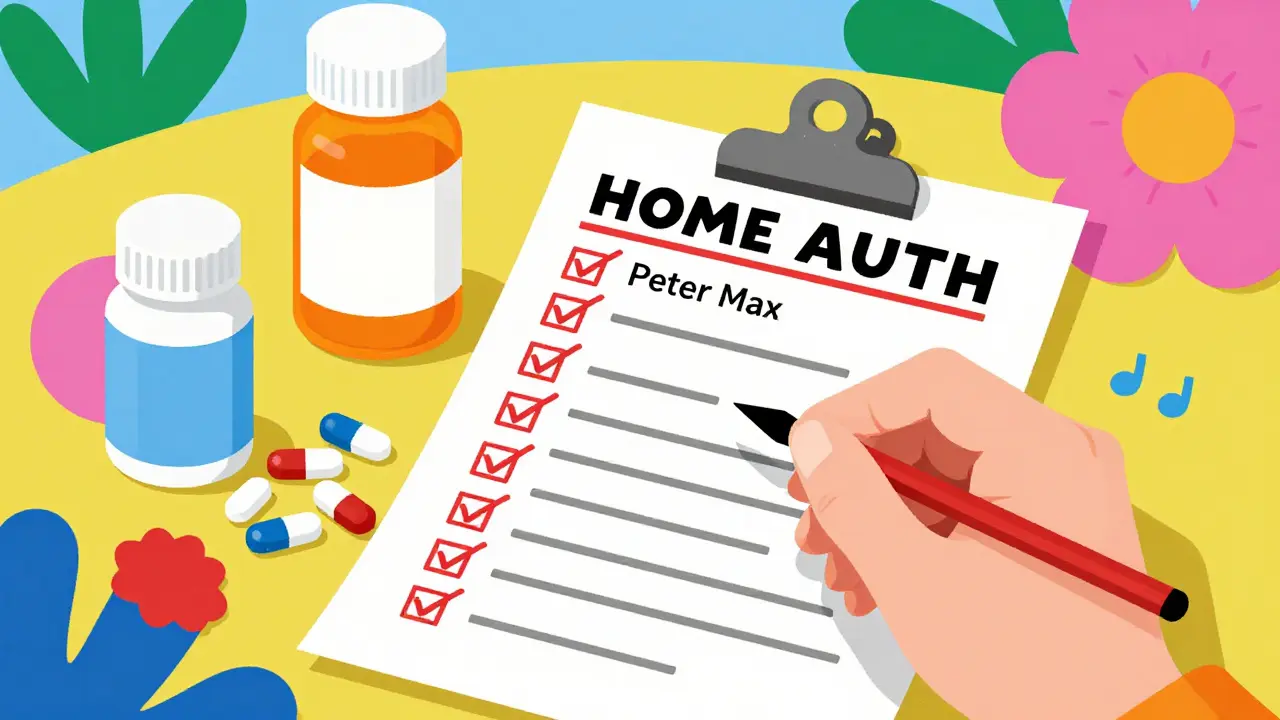
- Audit Your Home Cabinet: Once home, lay out all your current medications-including vitamins, herbals, and over-the-counter creams-next to the discharge list. If you see a bottle that isn't on the list, or a list item that doesn't have a bottle, mark it with a red pen.
- Schedule a Transitions of Care (TRC) Visit: Book an appointment with your primary care provider (PCP) as soon as possible. A formal TRC visit is specifically designed to review your hospital stay and reconcile your meds.
- Bring the Physical Bottles: Don't rely on memory or a handwritten note. Bring the actual pill bottles to your follow-up appointment. This allows the doctor to see exactly what you are taking and catch any branding or dosage errors.
- Confirm the "Why": Ask your doctor, "Why was this medication changed during my stay, and is this change permanent?" This forces a conscious review of the clinical reasoning behind the changes.
Comparing Reconciliation Approaches
Not all medication reviews are the same. Depending on your insurance and provider, you might encounter different methods of reconciliation. Some are quick checks, while others are deep dives into your clinical history.
| Feature | Standalone Reconciliation (CPT II 1111F) | Transitions of Care (TRC) Visit (CPT 99495/96) | Pharmacist-Led Reconciliation |
|---|---|---|---|
| Requirement | Documentation in chart | In-person office visit | Clinical pharmacy review |
| Convenience | High (Can be done via phone/virtual) | Moderate (Requires travel) | High (Often coordinated by hospital) |
| Accuracy | Standard | High (Direct physical exam) | Highest (Specialist expertise) |
| Outcome | Basic compliance | Integrated care plan | 32.7% fewer discrepancies |
The Role of the Pharmacist in Recovery
While doctors manage the overall treatment, Pharmacists are the experts in drug-drug interactions and dosing. Recent data suggests that pharmacist-led reconciliation is significantly more effective than nurse or physician-led approaches alone. They don't just look at a list; they check electronic prescription fill histories to see if you actually picked up the medicine.
A pharmacist can identify "silent" errors-like two different medications that do the same thing but have different names-which could lead to an accidental overdose. In some advanced systems, pharmacists conduct post-discharge consultations to ensure that 35-50% of patients who typically struggle with adherence in the first month stay on track with their regimen.
Common Pitfalls to Avoid
Even with a plan, things can go wrong. Be aware of these common traps that often lead to medication errors:
- The Specialist Gap: You might see a cardiologist for your heart and a nephrologist for your kidneys. If they don't talk to each other, one might prescribe a drug that interferes with the other's treatment. Always ensure one single provider (usually your PCP) has the "Master List."
- Ignoring "Small" Meds: Many people forget to mention vitamins, herbal supplements, or eye drops. These can have serious interactions with hospital-prescribed medications. Treat a vitamin like a prescription drug during reconciliation.
- Assuming the Pharmacy Knows: Just because the hospital sent an electronic prescription doesn't mean the pharmacy updated your profile correctly. Always double-check the label on the bottle against your discharge papers.
- The "I Feel Fine" Trap: Some patients stop taking a medication because they feel better after the hospital stay, or they continue a hospital med that was only meant for a few days. Never change a dose without a provider's sign-off.

Tools for Better Coordination
If you find the process overwhelming, leverage tools that reduce human error. Many hospitals now use the MATCH Toolkit, which provides a structured process map for physicians to highlight changes in discharge summaries. You can also look for providers who use the I-PASS system, a handoff tool that has been shown to reduce medication omissions by 23%.
For those who are tech-savvy, using a patient-facing mobile app to track medications in real-time can help. When you can show your doctor a digital log of exactly when you took which pill, the reconciliation process becomes much faster and more accurate.
How soon after discharge should I have my medication review?
Ideally, you should have your medications reconciled within the first 7 to 14 days after discharge, and absolutely within 30 days. This window is critical because the risk of medication errors and subsequent readmissions is highest immediately following the transition from hospital to home.
What if my primary doctor and my specialist disagree on a medication?
This is a common coordination challenge. The best approach is to request a "three-way" communication or a shared electronic record. Ask your primary doctor to contact the specialist directly to resolve the discrepancy. Do not try to "split the difference" by taking half a dose or alternating days unless explicitly told to do so by a provider.
Does medication reconciliation include over-the-counter vitamins?
Yes. A complete reconciliation must include all prescriptions, over-the-counter drugs, vitamins, herbal supplements, eye drops, and creams. Many supplements can interact with hospital medications-for example, certain vitamins can interfere with blood thinners-so they must be part of the review.
Who is responsible for the reconciliation-me or the doctor?
It is a partnership. While the healthcare provider is responsible for the clinical decision and documentation (often using standards like NQF 0097), the patient and caregiver are the only ones who know what is actually happening at home. You are the final safety check to ensure the list matches the actual pills in your cabinet.
What is a TRC visit and why is it different from a regular check-up?
A Transitions of Care (TRC) visit is a specialized appointment focused specifically on the move from a hospital to home. Unlike a general check-up, it prioritizes the review of discharge summaries, the reconciliation of medications, and the immediate stabilization of the patient's condition to prevent readmission.
Next Steps for Different Caregivers
For the Patient: Start a "Medication Journal." Note the date, time, and dose of every pill. If you feel a new side effect after a hospital-prescribed change, write it down immediately to discuss at your follow-up.
For the Family Caregiver: Be the "Gatekeeper." Manage the medication cabinet. If you notice the patient is taking a pill that isn't on the new discharge list, stop them and call the doctor's office immediately. Don't assume the patient remembers the doctor's verbal instructions.
For the Healthcare Provider: Focus on the handoff. Ensure the discharge summary isn't just a list of what was given in the hospital, but a clear set of instructions for the next provider. Use automated EHR alerts for high-risk medication changes to reduce the chance of a reconciliation error.