
Glomerulonephritis: Causes, Risks, and How Medications Affect Kidney Health
When your glomerulonephritis, a condition where the tiny filters in your kidneys (glomeruli) become inflamed. Also known as nephritis, it doesn’t always show symptoms at first—but when it does, it can mean serious trouble for your kidneys. These filters are meant to keep waste out of your blood while letting useful stuff like proteins and red blood cells stay in. When they get damaged, you might see blood or foam in your urine, swell in your legs or face, or feel unusually tired. It’s not just one disease—it’s a group of conditions with different causes, and many of them are tied to how your body reacts to infections, drugs, or its own immune system.
One common trigger is an infection, like strep throat or a skin infection, that sets off an immune response that accidentally targets your kidneys. But it’s not just infections. Autoimmune disorders like lupus or vasculitis can directly attack the glomeruli. And here’s something many people don’t realize: some medications, including NSAIDs, certain antibiotics, and even some blood pressure drugs can cause or worsen kidney inflammation over time. If you’re on long-term pain relievers or have high blood pressure, your kidney function needs regular checking—even if you feel fine. The kidney function, measured by tests like eGFR and creatinine levels doesn’t always drop until damage is already done. That’s why catching glomerulonephritis early matters.
People with diabetes or high blood pressure are at higher risk, but it can hit anyone. Even if you’re young and healthy, a recent infection or a new medication could be the trigger. And while some cases clear up on their own, others need treatment—sometimes with steroids, immunosuppressants, or even dialysis. The key is knowing what to watch for and talking to your doctor before making changes to your meds. You won’t find a cure-all here, but you’ll find real advice on how to protect your kidneys while managing other conditions.
Below, you’ll find practical guides on spotting medication risks, understanding drug interactions that stress your kidneys, and how to track your health over time. Whether you’re managing a chronic condition, taking multiple pills, or just want to avoid silent damage, these posts give you the tools to stay ahead.
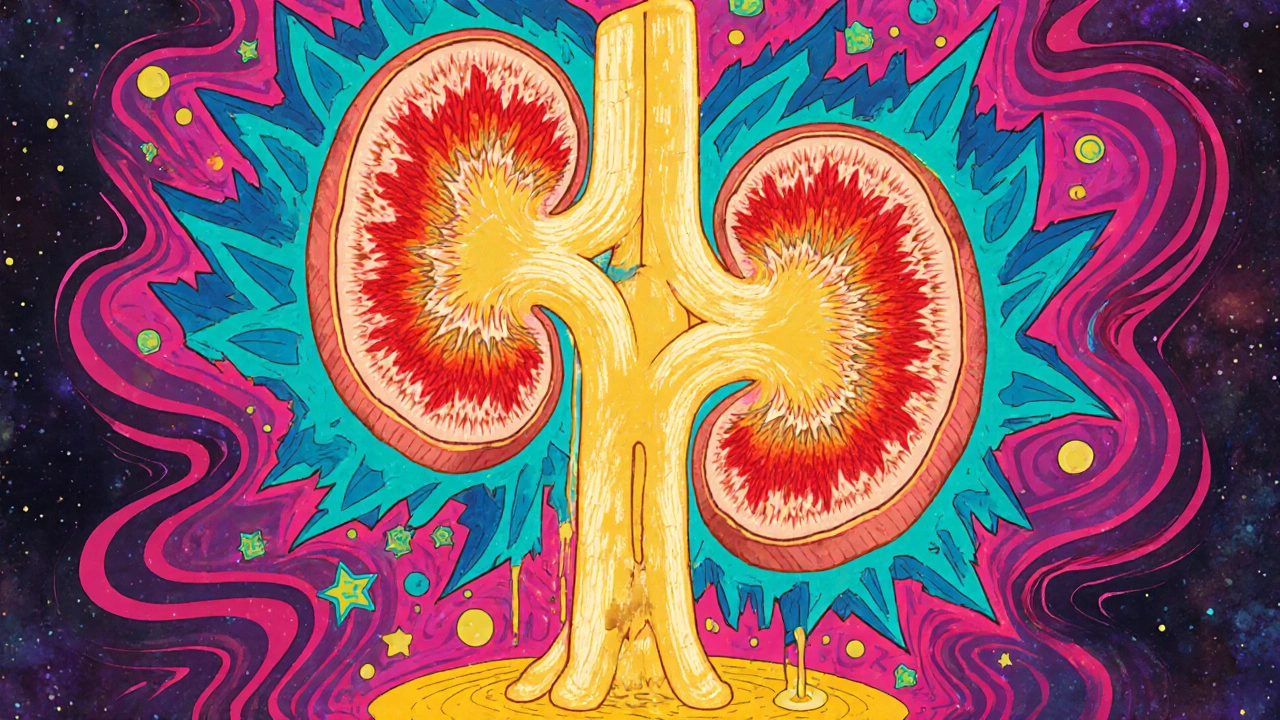
Kidney Failure Causes: How Diabetes, Hypertension, and Glomerulonephritis Damage Your Kidneys
Diabetes, hypertension, and glomerulonephritis are the top three causes of kidney failure. Learn how they damage your kidneys, how fast they progress, and what actually works to stop them - backed by science and real patient data.