
Patient Role: Take Control of Your Medications and Health Decisions
When you're managing medications, your patient role, the active responsibility you have in understanding, tracking, and communicating about your own health care. Also known as health advocacy, it's not a bonus—it's the foundation of safe, effective treatment. Too many people think their job ends when the pharmacist hands them the bottle. But the real work starts now: knowing what you're taking, why, and what to watch for. This isn't about being difficult. It's about being smart.
The medication adherence, how consistently you take your drugs exactly as prescribed makes or breaks outcomes. A study from the CDC found that nearly half of people with chronic conditions don’t take their meds right—and it’s not because they’re forgetful. Often, it’s because they don’t understand the risks, or they’re scared of side effects like dizziness, nausea, or weird sleep patterns. That’s where your drug safety, the practice of recognizing, documenting, and acting on potential dangers from medications comes in. You don’t need a medical degree to spot red flags. If your blood pressure drops when you stand up, if your skin turns yellow, if you feel like you’re floating after a new pill—you’re not imagining it. Write it down. Bring it to your doctor. That’s your patient role in action.
Your health advocacy, the act of speaking up for your needs, asking for clarification, and pushing back when something doesn’t feel right is what turns passive care into real control. Think about it: you’re the only one who lives in your body. No algorithm, no nurse, no AI can replace what you feel every day. That’s why documenting safety alerts on your medication list, tracking food interactions with warfarin, or knowing when to pause an SSRI isn’t extra work—it’s survival. And it’s not just about pills. It’s about knowing when to question a generic switch, when to ask for a post-marketing study, or when to demand a blood test for hyponatremia because your grandma keeps falling. These aren’t niche concerns—they’re everyday realities for millions.
You’ll find real, no-fluff advice here on how to read FDA alerts, store your pill labels, handle nausea from meds, avoid dangerous alcohol interactions, and even when it’s okay to take a drug holiday. These aren’t theoretical tips. They’re what people actually use to stay safe, save money, and keep their lives intact. Whether you’re managing thyroid meds, fighting hip pain, or just trying not to pass out when you stand up, your patient role is your strongest tool. And it’s one you can start using today—no permission needed.
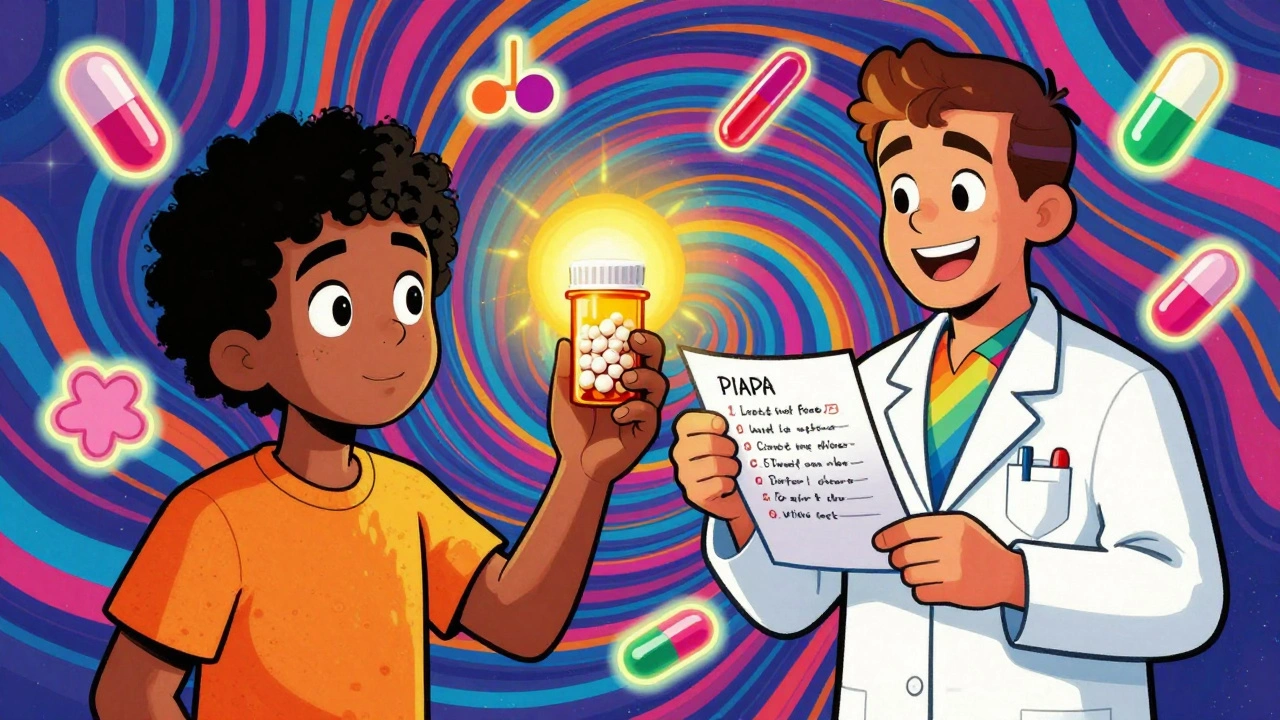
How Patients Can Prevent Medication Errors and Stay Safe
Patients play a vital role in preventing medication errors. Learn the seven key actions you can take every day to stay safe, spot mistakes, and protect your health - backed by real data and expert insights.