
Patient Communication: How to Talk to Doctors, Avoid Errors, and Stay Safe
When it comes to your health, patient communication, the clear, two-way exchange between you and your healthcare team about medications, symptoms, and concerns. Also known as health literacy in action, it’s not just polite—it’s life-saving. Too many people leave the doctor’s office confused, forget to ask about side effects, or don’t know how to spot a dangerous drug interaction. That’s where patient communication changes everything. It’s not about using big words. It’s about asking the right questions, writing things down, and speaking up when something feels off.
Good patient communication, the clear, two-way exchange between you and your healthcare team about medications, symptoms, and concerns. Also known as health literacy in action, it’s not just polite—it’s life-saving. isn’t just about talking to your doctor. It’s about understanding medication safety, the practices and knowledge that prevent harmful errors like wrong doses, bad interactions, or missed warnings. You need to know how to read an FDA safety alert, recognize when a generic drug feels different, or spot signs that your blood thinner isn’t working right. It’s also about managing medication adherence, how consistently you take your drugs as prescribed, which directly impacts treatment success. If you’re skipping pills because of nausea, forgetting your inhaler because it’s bulky, or avoiding your patch because it itches—those aren’t just inconveniences. They’re risks. And they’re fixable, if you speak up.
People often think their job ends when they walk out with a prescription. But the real work starts when you get home. You’re the one who notices the dizziness when you stand up, the weird taste in your mouth after a new pill, or the bleeding that won’t stop after a cut. Those aren’t side effects to ignore—they’re signals. The posts below show you how to turn those signals into action. You’ll learn how to document drug alerts on your own list, how to talk to your pharmacist about generic switches, how to read a warning from the FDA without getting scared, and how to handle tricky interactions like turmeric and blood thinners. This isn’t theory. It’s what real people have used to avoid ER visits, hospital stays, and worse. You don’t need to be an expert. You just need to know what to ask, what to watch for, and how to keep track. Let’s get you equipped.
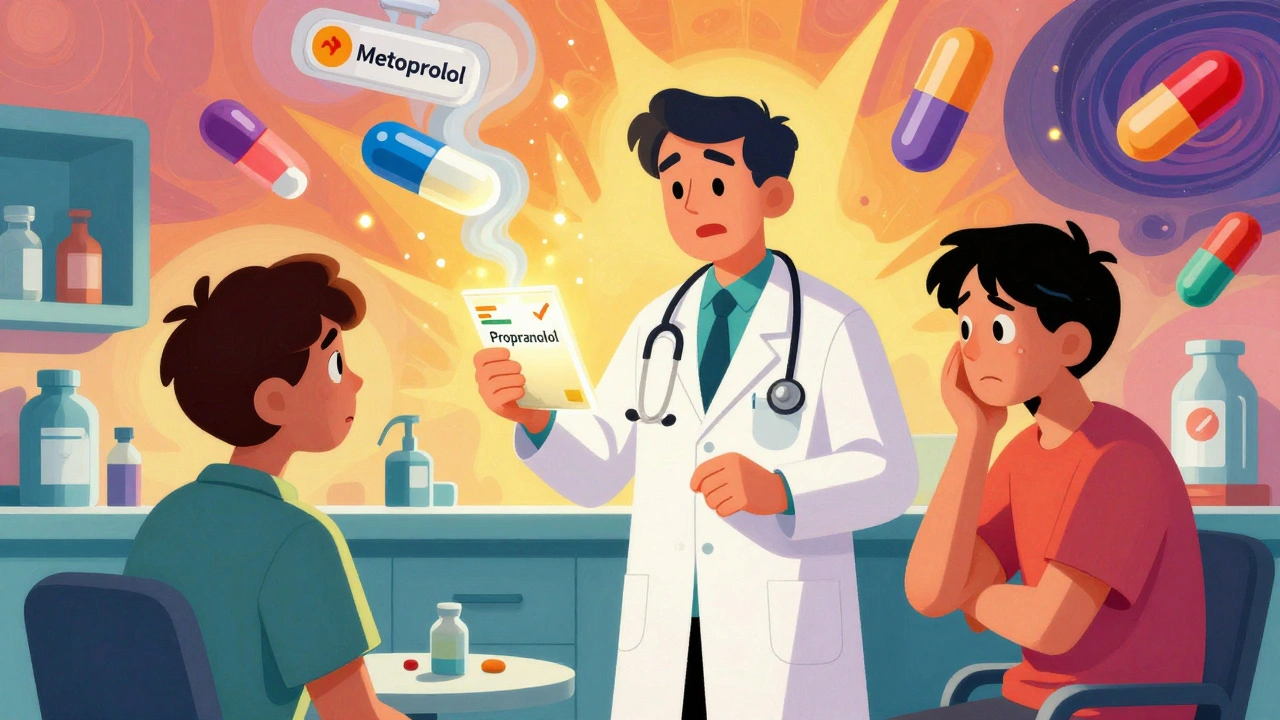
Patient Communication During Drug Shortages: What Providers Must Do
When drugs go missing, providers must communicate clearly, honestly, and empathetically. Learn what healthcare professionals are required to do-and what patients need-to stay safe during medication shortages.