
NSAIDs with food: What to eat and what to avoid for safer use
When you take NSAIDs, nonsteroidal anti-inflammatory drugs like ibuprofen, naproxen, or aspirin used to reduce pain, fever, and swelling. Also known as non-narcotic pain relievers, they’re one of the most common medications people use daily—for headaches, back pain, arthritis, or menstrual cramps. But taking them without food isn’t just a minor oversight—it can lead to stomach ulcers, internal bleeding, or worse. The truth? Food isn’t just a buffer—it’s part of the treatment.
Not all NSAIDs act the same, and not all foods help equally. Some, like high-fat meals, slow down absorption and reduce stomach irritation, while others—like alcohol or grapefruit—can turn a safe dose into a dangerous one. People who take NSAIDs regularly often don’t realize their diet is directly tied to their risk of complications. A study from the American Journal of Gastroenterology found that taking ibuprofen on an empty stomach triples the chance of gastric damage compared to taking it with a meal. That’s not a small difference—it’s the difference between feeling fine and ending up in the ER.
You don’t need to eat a full steak every time you pop a pill. A small sandwich, a handful of nuts, or even a banana can make a real difference. But avoid acidic foods like citrus or tomatoes right after taking NSAIDs—they can irritate the stomach lining even more. And never mix NSAIDs with alcohol. It’s not just about liver stress; the combo can cause bleeding you won’t even notice until it’s too late. If you’re on long-term NSAID therapy, especially for arthritis or chronic pain, your stomach lining is under constant pressure. Food isn’t optional—it’s your first line of defense.
Some people think switching to a "gentler" NSAID like celecoxib solves everything. But even those can cause problems if taken on an empty stomach. And if you’re also taking blood thinners, like warfarin, the risks multiply. That’s why so many of the posts here focus on drug interactions, stomach safety, and how simple habits change outcomes. You’ll find real advice on what meals work best, which supplements to avoid, and how to recognize early signs of damage before it becomes serious.
This collection gives you no-nonsense, evidence-backed tips—no fluff, no marketing spin. You’ll learn how to eat smarter with your pain meds, what to do if you forget to take them with food, and how to spot trouble before it turns into an emergency. Whether you’re taking NSAIDs once a week or every day, this isn’t about being perfect—it’s about being smart. And that starts with what’s on your plate.
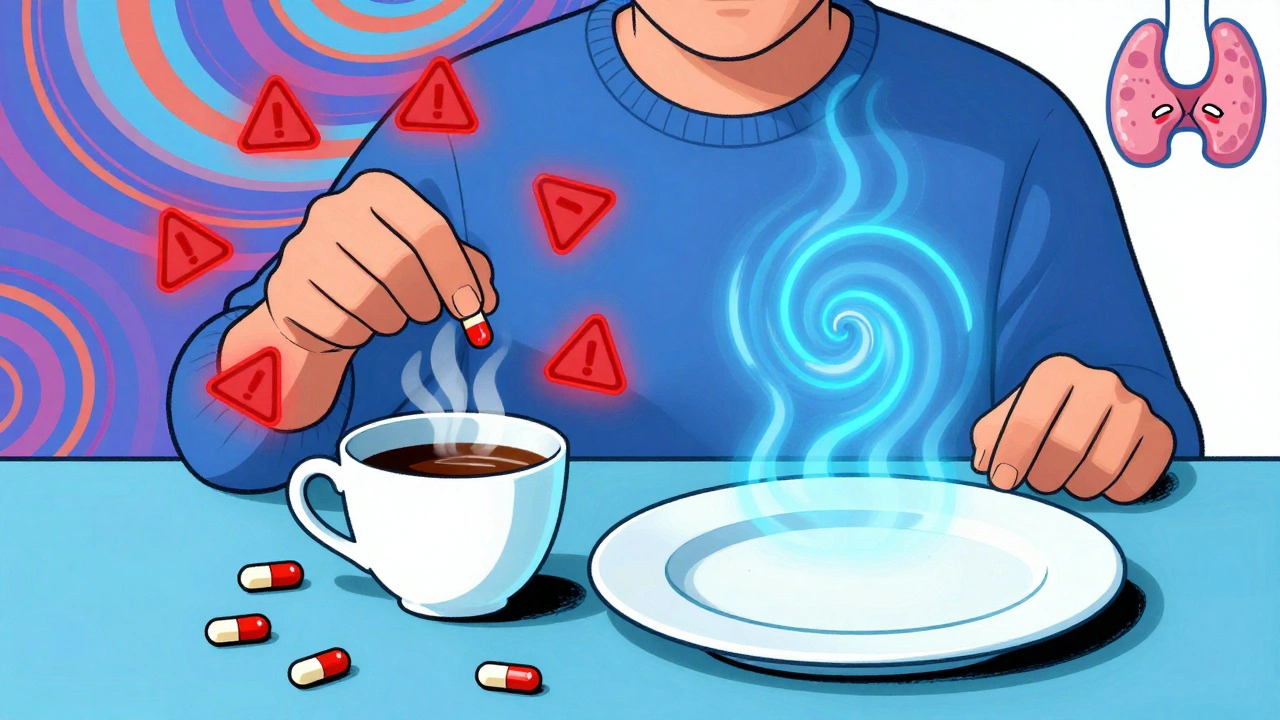
Taking Medications with Food vs Empty Stomach: When It Matters
Taking medications with or without food can make or break their effectiveness. Learn which drugs need an empty stomach, which need food, and why ignoring these rules can reduce results by up to 50% or cause serious side effects.