
Medication Side Effects: What You Need to Know About Common Reactions and How to Manage Them
When you take a medication side effect, an unintended reaction to a drug that isn’t the intended therapeutic outcome. Also known as adverse drug reactions, these are more common than most people realize—even safe, FDA-approved drugs can cause problems like nausea, dizziness, or worse. You might think side effects are rare, but if you’ve ever felt shaky after starting an antidepressant, dizzy after blood pressure meds, or had a weird rash after an antibiotic, you’ve experienced one. The truth? Almost every medication carries some risk, and knowing what to watch for can keep you out of the ER.
Some side effects are mild and go away after a few days—like a dry mouth from antihistamines or mild stomach upset from NSAIDs. But others are serious and need attention. For example, generic medications, lower-cost versions of brand-name drugs that must meet strict bioequivalence standards. Also known as generic drugs, they work the same way for most people—but not everyone. If you’ve switched from brand to generic and suddenly felt worse, it could be due to differences in inactive ingredients affecting absorption, especially with drugs like warfarin, a blood thinner where tiny changes in dosage can lead to dangerous bleeding or clots. Also known as Coumadin, it’s one of the most dangerous drugs if not monitored closely. Same goes for SSRI side effects, unwanted reactions to selective serotonin reuptake inhibitors used for depression and anxiety. Also known as antidepressant side effects, they can include sexual dysfunction, weight gain, or even hyponatremia in older adults, which raises fall risk. These aren’t random. They’re predictable patterns tied to how your body processes the drug, what else you’re taking, and even what you eat.
It’s not just about the drug itself. Alcohol, supplements, even your morning coffee can change how a medication behaves in your system. That’s why mixing alcohol with certain painkillers or sleep aids can be deadly. Why some people get hot flashes from antidepressants while others don’t. Why your thyroid meds won’t work right if you take them with calcium or soy. These aren’t myths—they’re documented, measurable risks backed by real-world data and post-marketing studies.
You don’t have to live with bad side effects. There are proven ways to reduce them: timing your pills differently, switching to another drug, using anti-nausea aids, or adjusting your diet. The posts below cover exactly that—real stories, real fixes, and real science behind why side effects happen and how to handle them without quitting your treatment. Whether you’re dealing with warfarin food interactions, SSRI-related fatigue, or confusion over generic switches, you’ll find practical steps that actually work.
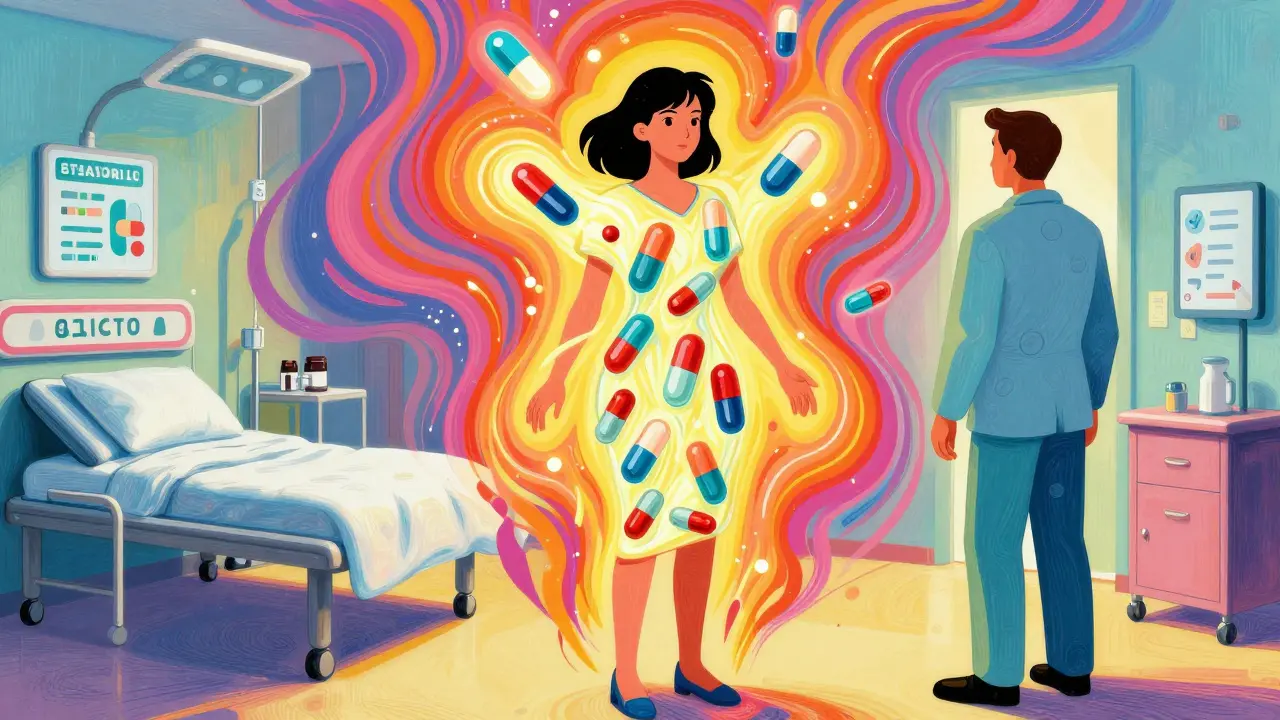
Women vs Men: Why Medication Side Effects Differ by Sex
Women experience adverse drug reactions nearly twice as often as men due to biological differences and decades of male-dominated clinical trials. Learn why dosing needs to change - and what you can do about it.

Evidence-Based Complementary Treatments for Medication Side Effects
Discover evidence-based complementary treatments like acupuncture and ginger that help reduce medication side effects such as nausea, fatigue, and pain-without replacing your prescribed treatment. Learn what works, what’s risky, and how to use them safely.
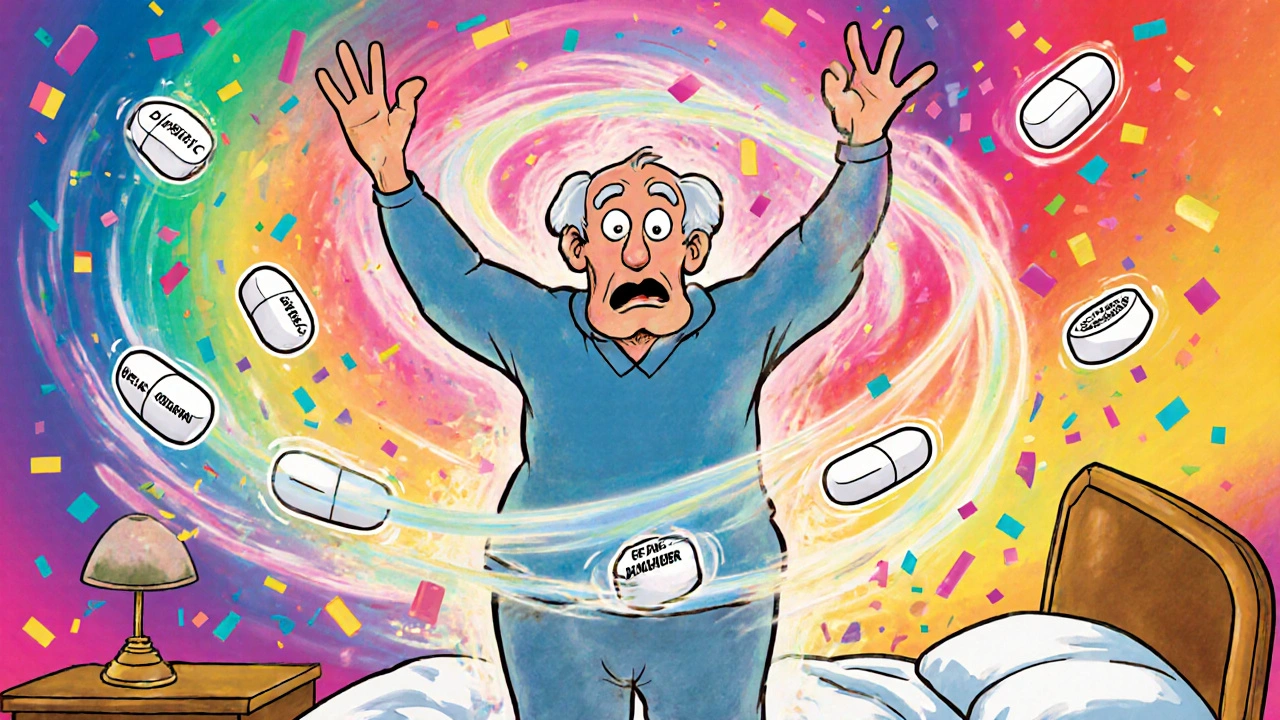
Orthostatic Hypotension from Medications: Why You Feel Dizzy When You Stand Up
Dizziness when standing up? It could be your medications. Learn which drugs cause orthostatic hypotension, how to spot it, and what steps you can take to feel safer on your feet.