
Healthcare Provider Responsibilities: What They Must Do to Keep You Safe
When you take a prescription, healthcare provider responsibilities, the legal and ethical duties of doctors, pharmacists, and nurses to ensure safe, accurate, and informed medication use. Also known as clinical accountability, these duties aren’t optional—they’re the bare minimum to prevent harm. If your provider doesn’t check for interactions, doesn’t explain side effects, or ignores your history, they’re not just being careless—they’re putting your life at risk.
These responsibilities go far beyond writing a script. A provider must know your full medication list—prescription, over-the-counter, and supplements—because drug interactions, harmful reactions when two or more substances affect each other in the body can kill. Turmeric with warfarin? That’s not a myth—it’s led to INR levels above 10 and life-threatening bleeds. Macrolide antibiotics like azithromycin? They can trigger deadly heart rhythms in people with existing conditions. And levothyroxine? Even tiny changes in absorption from food or other meds can wreck your thyroid control. Your provider is supposed to catch these before you walk out the door.
They also have to make sure you understand how to take your drugs. That means explaining timing, food restrictions, and what to do if you miss a dose. If you’re on warfarin, they need to tell you about vitamin K in greens—not just hand you a pamphlet. If you’re using an inhaler or patch, they need to watch you use it, not assume you got it right. And when you’re older or on multiple meds, they’re required to screen for risks like hyponatremia from SSRIs or dizziness from orthostatic hypotension. These aren’t nice-to-haves. They’re part of medication safety, the system of practices designed to prevent errors and adverse effects during drug use.
Even when you’re the one catching a mistake—like spotting a wrong dose on your pill bottle—it’s still their job to have built systems that stop errors before they reach you. That means checking for allergies, using electronic alerts, and doing medical error prevention, structured actions like medication reconciliation to verify all drugs at every transition of care during hospital visits or pharmacy changes. Too many providers skip this, assuming you’ll remember everything. You won’t. And you shouldn’t have to.
Below, you’ll find real-world guides from patients and experts on what to expect, what to demand, and how to protect yourself when the system falls short. Whether it’s reading FDA safety alerts, tracking post-marketing studies, or knowing when to question a generic switch, these posts give you the tools to hold providers accountable—and stay safe while doing it.
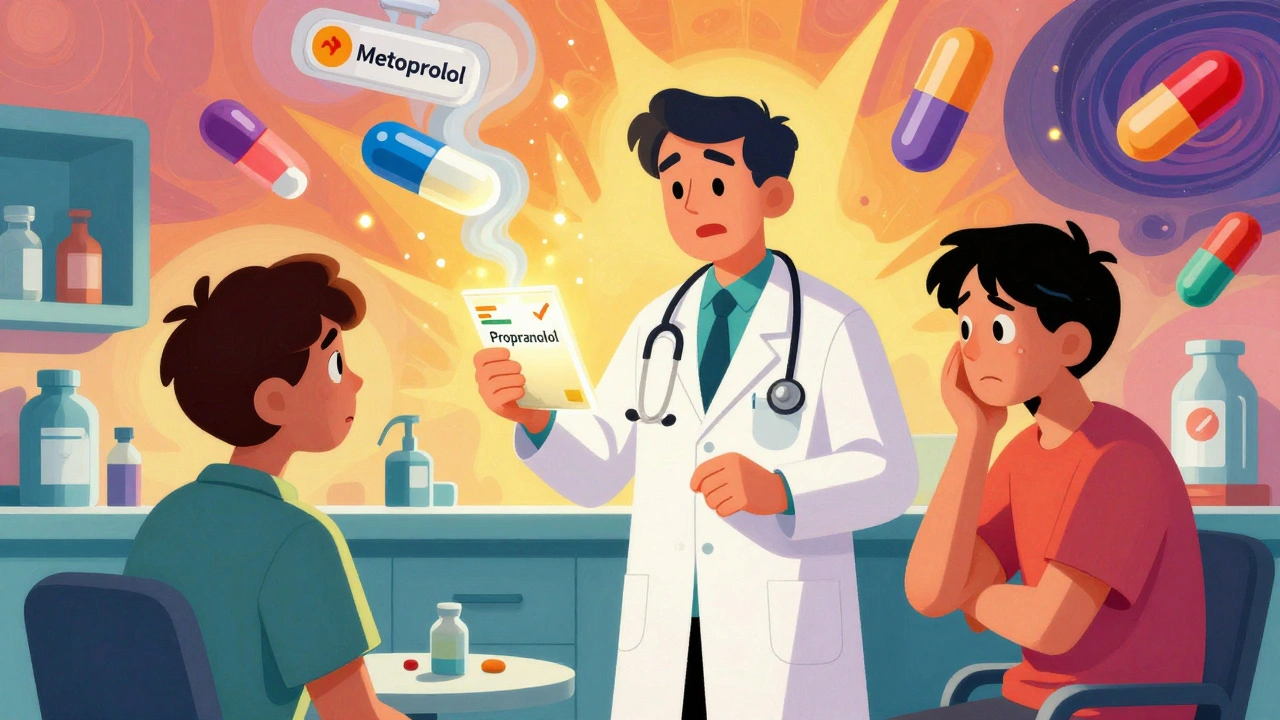
Patient Communication During Drug Shortages: What Providers Must Do
When drugs go missing, providers must communicate clearly, honestly, and empathetically. Learn what healthcare professionals are required to do-and what patients need-to stay safe during medication shortages.