
Drug Shortages: What Causes Them and How to Stay Prepared
When your pharmacy says drug shortages, a situation where the supply of a medication falls below demand, often due to manufacturing, regulatory, or supply chain issues. Also known as medication shortages, they can leave patients without access to life-saving treatments. This isn’t rare—it’s becoming normal. In 2023, over 300 drugs were listed as in short supply by the FDA, including antibiotics, blood pressure pills, and even basic pain relievers. These aren’t just inconveniences. For someone on insulin, warfarin, or levothyroxine, a shortage can mean hospitalization or worse.
Most drug shortages, a situation where the supply of a medication falls below demand, often due to manufacturing, regulatory, or supply chain issues. Also known as medication shortages, they can leave patients without access to life-saving treatments. come from just a few factories. If one plant shuts down for inspection, or if raw materials get delayed overseas, the whole country feels it. Generic drugs are especially vulnerable because they’re made by companies with thin profit margins. They don’t have the budget to keep extra stock on hand. When a supplier runs out, there’s no backup. And when that happens, pharmacies start rationing. Doctors have to switch prescriptions, and patients end up waiting days—or weeks—for their meds.
Some shortages are tied to FDA drug alerts, official warnings issued by the U.S. Food and Drug Administration about safety risks, manufacturing defects, or supply disruptions for specific medications.. The FDA doesn’t just track side effects—they track inventory. When they see a pattern—like multiple suppliers of a single generic antibiotic failing inspections—they issue alerts. These aren’t just notices. They’re signals. If your doctor gets one, they might already be looking for alternatives. You should too. Keep your medication list updated. Know your drug’s generic name. Ask your pharmacist if there’s a bioequivalent option available. Don’t wait until your bottle is empty.
And don’t assume brand-name drugs are safe from this. Even expensive medications like Xarelto or Humira have had supply issues. The problem isn’t just cost—it’s complexity. One pill can have ingredients from five countries. A storm in India, a labor strike in Germany, or a power outage in Ohio can all ripple into your medicine cabinet. That’s why tracking medication availability, the real-time ability to obtain a prescribed drug from pharmacies or distributors, often impacted by manufacturing, regulatory, or logistical factors. matters. You’re not just managing your health—you’re managing your access to it.
Below, you’ll find real-world guides on what to do when your meds disappear: how to spot a shortage before it hits you, how to talk to your doctor about alternatives, and how to use FDA tools to stay ahead of the next disruption. These aren’t theoretical tips. They’re what people are using right now to keep their treatments on track.
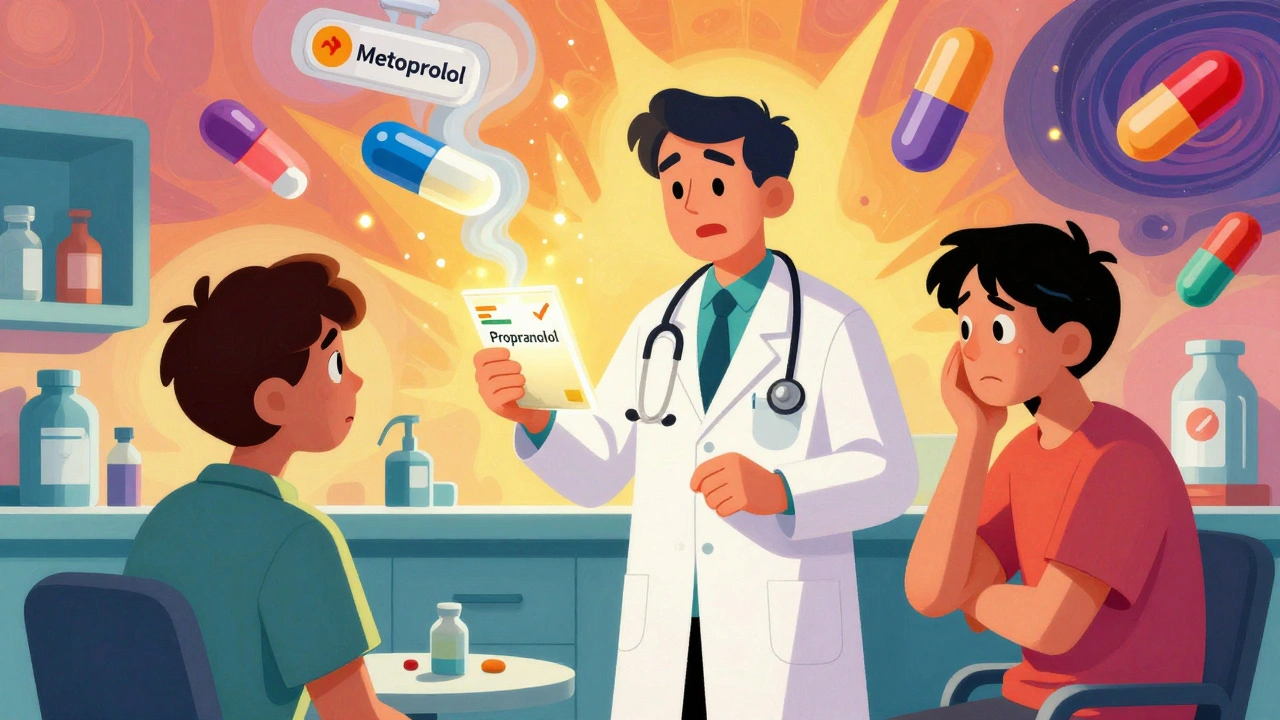
Patient Communication During Drug Shortages: What Providers Must Do
When drugs go missing, providers must communicate clearly, honestly, and empathetically. Learn what healthcare professionals are required to do-and what patients need-to stay safe during medication shortages.