
Treatment Alternatives: Safer, Cheaper, and Smarter Ways to Manage Your Health
When your doctor says you need a medication, you’re not stuck with just one option. treatment alternatives, different approaches to managing a health condition that may include generic drugs, lifestyle changes, or other therapies. Also known as alternative therapies, these options can be just as effective—and often much safer—than the first drug you’re offered. Many people assume brand-name pills are the only real choice, but the truth is, treatment alternatives like bioequivalent generics work the same way in your body, cost up to 85% less, and are approved by the FDA to be just as safe. You don’t need to pay more to get the same results.
But not all alternatives are pills. Some are about how you take them. For example, if you’re on warfarin, your diet matters as much as your dose—eating consistent amounts of vitamin K keeps your INR stable. If you’re using an inhaler or patch, proper technique can mean the difference between relief and a hospital visit. And if you’re on SSRIs, especially as an older adult, hyponatremia and falls are real risks that can be prevented with simple blood tests and dose tweaks. These aren’t just side notes—they’re core parts of your treatment plan. The same goes for drug holidays: taking a short break from certain meds like antidepressants or ADHD drugs can reduce side effects, but only if done under supervision. Stopping cold turkey? That’s not an alternative—it’s a danger.
Then there are the hidden risks. Turmeric sounds healthy, but it can spike your bleeding risk if you’re on blood thinners. Macrolide antibiotics like azithromycin can trigger dangerous heart rhythms in some people. Even hand hygiene plays a role—germs can turn a simple infection into a life-threatening one, especially if you’re on immunosuppressants. These aren’t random facts. They’re the kind of details that show up in FDA safety alerts, post-marketing studies, and real patient reports. That’s why knowing how to read those alerts, track drug safety data, and store your medication records properly isn’t just helpful—it’s essential. Your body reacts differently than the next person’s, especially with narrow therapeutic index drugs like levothyroxine or warfarin. A generic switch might work fine for one person and cause problems for another, not because the drug is bad, but because of tiny differences in inactive ingredients or absorption.
That’s why treatment alternatives aren’t just about swapping one pill for another. They’re about understanding your whole picture: your diet, your other meds, your age, your lifestyle, and even how you store your pills. The posts below give you the exact tools to do that—whether you’re trying to avoid nausea from meds, manage hip pain without surgery, or find a cheaper way to treat depression without trazodone. You’ll learn what really works, what’s risky, and what to ask your doctor next time you’re handed a prescription. No fluff. No marketing. Just what you need to take control—safely and smartly.
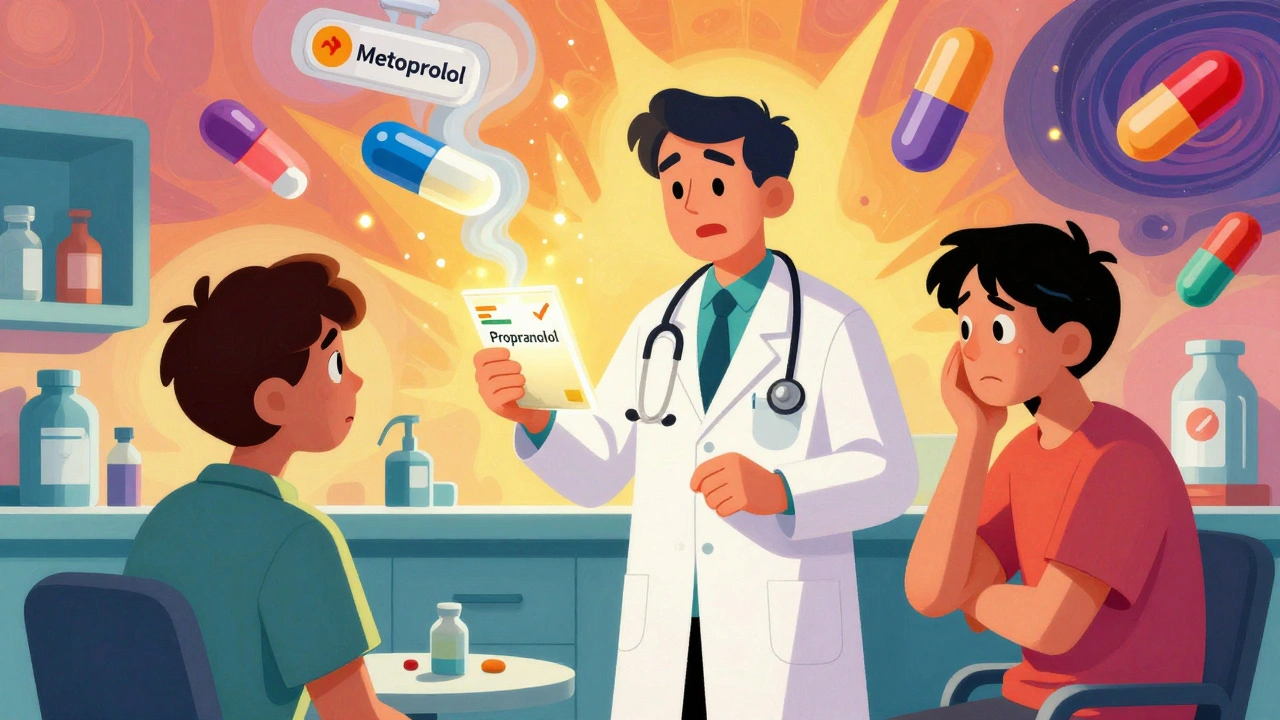
Patient Communication During Drug Shortages: What Providers Must Do
When drugs go missing, providers must communicate clearly, honestly, and empathetically. Learn what healthcare professionals are required to do-and what patients need-to stay safe during medication shortages.