
Soap and Water: Simple Hygiene That Keeps Medications Safe and Effective
When you think about medication safety, you probably imagine pill schedules, drug interactions, or blood tests. But one of the most powerful tools you already have is right in your hands: soap and water, a basic yet essential method for removing germs and preventing contamination during medication handling. Also known as handwashing, it’s the first line of defense against infections that can turn a simple treatment into a hospital visit. It doesn’t cost anything. It doesn’t need a prescription. And yet, most people do it wrong—or skip it entirely when handling pills, patches, or injectables.
Think about it: if you touch your inhaler after scratching your nose, or grab a pill with unwashed hands before putting it under your tongue, you’re introducing bacteria right into your system. That’s especially risky if you’re on immunosuppressants, have diabetes, or are recovering from surgery. Studies show that up to 40% of medication-related infections in home settings could be prevented with proper hand hygiene. infection prevention, the practice of stopping germs from spreading during medical care isn’t just for hospitals—it’s for your kitchen counter, your bathroom, and your medicine cabinet. And medication hygiene, the routine of cleaning your hands before and after handling drugs is just as important as taking the right dose at the right time.
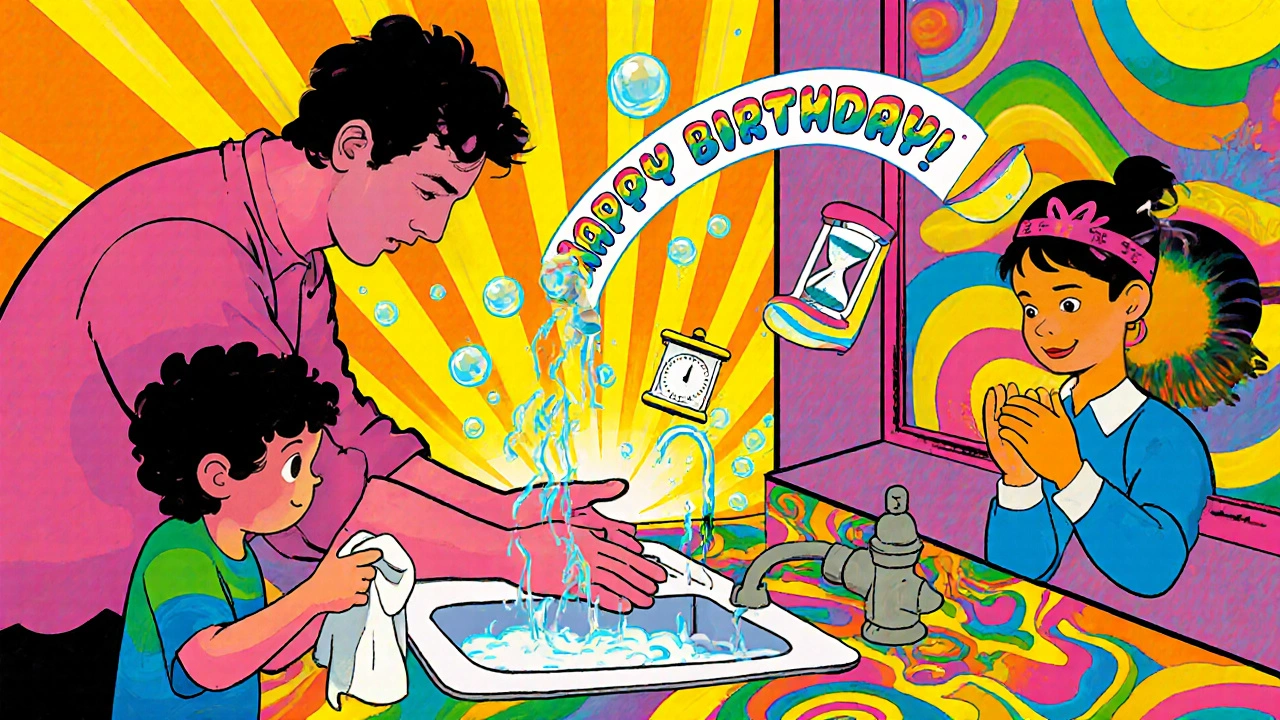
It’s not just about avoiding sickness. Dirty hands can also ruin your meds. Moisture from unwashed fingers can make pills stick together or degrade faster. If you’re using a transdermal patch, oils or dirt on your skin can block absorption. Even insulin pens can get contaminated if you don’t clean your fingers before loading the cartridge. That’s why the CDC and WHO both list soap and water as the gold standard for cleaning before any medical procedure—even at home. You don’t need alcohol gel unless your hands are visibly dirty or you’re in a high-risk environment. Plain soap, warm water, and 20 seconds of scrubbing (yes, sing "Happy Birthday" twice) is all it takes.
And it’s not just you. Caregivers, family members, and even pharmacists need to follow this rule. If someone else handles your pills, they should wash up too. That’s why medication safety lists now include hand hygiene as a non-negotiable step—right after checking the label and before opening the bottle. This simple habit cuts down on cross-contamination, reduces the chance of resistant infections, and keeps your treatment working the way it should.
There’s no magic here. No new tech. No expensive gadget. Just clean hands and a little discipline. And when you combine that with the practical advice in the posts below—like how to handle injectables without contamination, why patches fail when skin isn’t clean, or how to avoid spreading germs when managing multiple medications—you’re not just being careful. You’re taking control.
Hand Hygiene: Evidence-Based Infection Prevention at Home
Hand hygiene is the most effective way to prevent infections at home. Learn the science-backed steps for washing hands properly, when to use soap vs. sanitizer, and how to protect your family with simple, low-cost habits.