
Sleep Disorders: Causes, Medications, and What Really Works
When you can’t sleep, it’s not just about being tired—it’s about your whole life falling apart. Sleep disorders, a group of conditions that disrupt normal sleep patterns, including insomnia, sleep apnea, and restless legs syndrome. These aren’t just "bad nights"—they’re medical issues that can lead to heart problems, depression, and even drug dependence if left untreated. And here’s the thing: most people try to fix them with over-the-counter pills or melatonin, but the real answers often lie deeper—in how you take your other meds, what you eat, and even how you think about your treatment.
Insomnia, the most common sleep disorder, affects nearly one in three adults, and it’s often tied to other conditions like thyroid problems or anxiety. That’s why so many people on levothyroxine, a thyroid hormone replacement that must be taken on an empty stomach for proper absorption also struggle with sleep. If they take it too late, or with food, their thyroid levels go off, and their body never fully shuts down at night. Same goes for blood thinners like warfarin—poor sleep can spike INR levels, increasing bleeding risk. And don’t forget medication adherence, how consistently you take your drugs as prescribed. Skipping doses, mixing alcohol, or switching generics without checking with your doctor can turn a manageable sleep issue into a full-blown crisis.
It’s not just about pills. The way you label your meds matters. If you think your generic sleep aid is "weaker" just because it’s cheaper, your brain might actually make you feel worse—studies show the labeling effect can reduce effectiveness by up to 30%. And while trazodone or doxepin are commonly prescribed for sleep, they’re not the only options. CBT-I, a non-drug therapy backed by decades of research, works better for most people long-term. But you won’t find it in a pill bottle. You’ll find it in knowing when to ask for help, how to track your habits, and what to avoid—like turmeric supplements, which can dangerously interact with blood thinners and make sleep even harder.
What you’ll find here isn’t generic advice. It’s real, practical info from people who’ve been there: how to time your meds right, why some generics don’t work the same for you, how to spot dangerous interactions, and what to do when your doctor doesn’t mention sleep as a side effect. No fluff. No hype. Just what actually helps you sleep better—and stay safe while you’re at it.
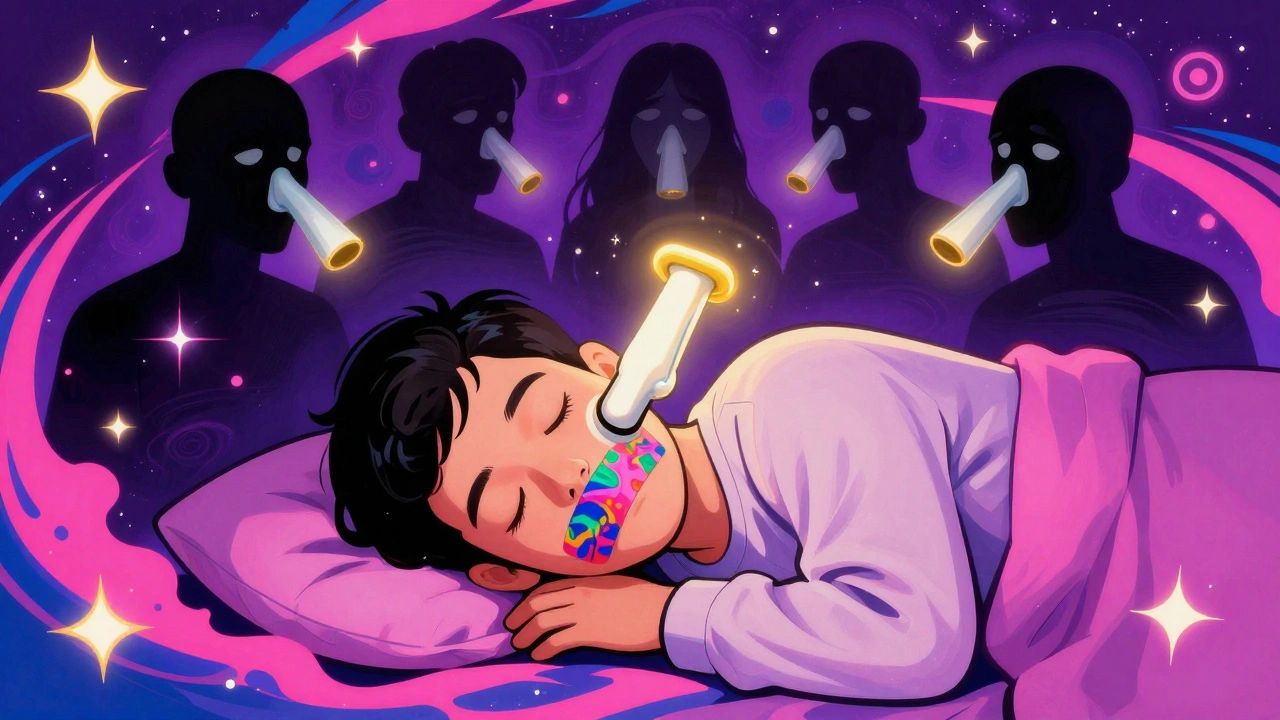
Mouth Taping for Sleep: What the Evidence Really Says About Safety and Effectiveness
Mouth taping for sleep has gone viral, but medical experts warn it's dangerous for people with undiagnosed sleep apnea. Learn what the science says about safety, effectiveness, and better alternatives.