
Safe Drug Disposal: How to Get Rid of Old Medications Without Risk
When you no longer need your pills—whether they’re expired, leftover after surgery, or just no longer right for you—safe drug disposal, the proper way to discard unused or expired medications to prevent harm to people and the environment. Also known as medication disposal, it’s not just about tossing them in the trash. Improper disposal can lead to accidental poisonings, drug abuse, and even contamination of water supplies. The FDA and CDC agree: flushing most pills down the toilet or throwing them in the regular trash is risky and unnecessary.
Instead, the best option is a drug take-back program, official collection events or drop-off locations run by pharmacies, law enforcement, or health agencies to safely collect and destroy unused medications. These programs exist in nearly every state, often at local pharmacies or police stations. You don’t need a receipt or ID—just bring your old bottles. If no drop-off is nearby, the next safest step is to mix pills with something unappetizing like coffee grounds or cat litter, seal them in a container, and throw them in the trash. Never leave them in open containers where kids or pets can reach them.
Some medications—like certain opioids and fentanyl patches—are dangerous enough that the FDA says you should flush them immediately if no take-back option is available. But that’s the exception, not the rule. Most drugs, including antibiotics, blood pressure meds, and even antidepressants, should never go down the drain. pharmaceutical waste, unused or expired drugs that enter landfills, waterways, or sewage systems. These don’t break down easily and have been found in drinking water sources across the country. It’s not just an environmental issue—it’s a public health one.
Why does this matter? Because someone else might find your old painkillers and use them illegally. Or your child might mistake them for candy. Or your local water system might end up with traces of your antidepressants years later. The CDC reports that over 120,000 emergency room visits each year are tied to accidental medication exposure in kids under 6. That’s preventable. And it’s not just about kids—older adults often mix old prescriptions with new ones, leading to dangerous interactions. Proper disposal cuts that risk.
You don’t need a special kit or a trip to a clinic. Most of the time, all you need is a little time and the right step. Take a few minutes this week to check your medicine cabinet. Look for expired antibiotics, leftover opioids, or bottles you haven’t touched in over a year. Don’t wait until you’re cleaning out the whole house. One bottle at a time. One week at a time. The system is there to help you—drop-off sites are free, quiet, and designed for exactly this.
And if you’re unsure what to do with a specific drug, check the label. Some come with disposal instructions. Or visit the FDA’s website (no link needed—you can search it easily) and type in the drug name plus "disposal." You’ll get clear, plain-language steps. No jargon. No fluff. Just what works.
Below, you’ll find real stories and practical guides from people who’ve been there—how to handle leftover pain meds after surgery, what to do with old antidepressants, why flushing isn’t always the answer, and how to set up a safe storage system so this doesn’t happen again. No theory. No guesswork. Just what you need to do, right now, to keep your home and community safer.
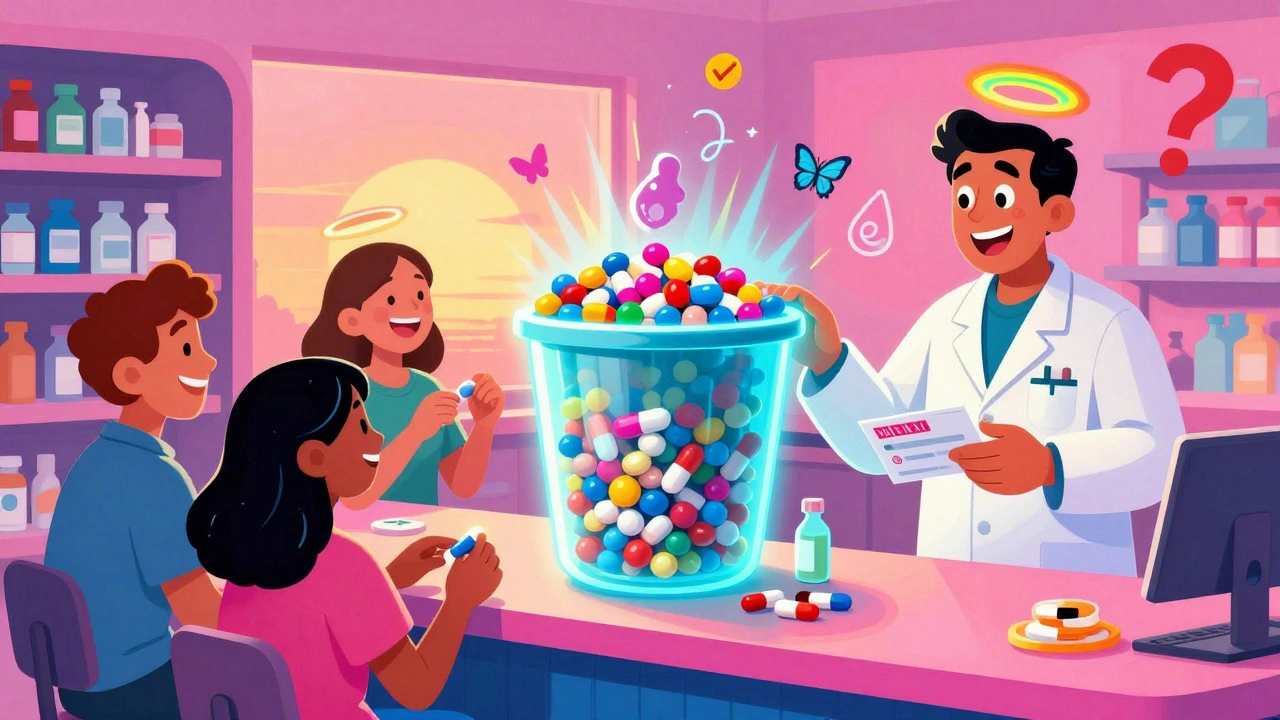
How to Safely Dispose of Expired Medications: FDA Take-Back Rules and Step-by-Step Guide
Learn the FDA's safe disposal rules for expired medications. Find out which drugs can be flushed, how to use take-back programs, and the correct way to dispose of pills at home to protect your family and the environment.