
Retinoids Explained: What They Do and How to Use Them Safely
If you’ve ever seen a skin‑care product brag about “retinol” or “tretinoin,” you’ve already met a retinoid. In simple terms, retinoids are vitamin A derivatives that help skin renew itself faster. Faster turnover means fewer clogged pores, smoother texture, and a brighter complexion.
Types of Retinoids and Their Core Benefits
Not all retinoids are created equal. The most common ones you’ll run into are:
- Retinol – over‑the‑counter, milder strength, good for beginners.
- Tretinoin (Retin‑A) – prescription‑only, strong, targets moderate to severe acne and deep wrinkles.
- Adapalene – prescription or low‑dose OTC, less irritating, works well for sensitive skin.
All three speed up cell turnover, boost collagen production, and fade dark spots. That’s why dermatologists love them for acne, fine lines, and hyperpigmentation.
How to Start Using a Retinoid Without Irritation
Even the best skin‑care ingredient can cause redness if you jump in too fast. Follow these steps:
- Patch test. Apply a tiny amount on your jawline for three nights. If no burning or itching, you’re good.
- Start slow. Use once or twice a week at night. Gradually increase to every other night, then nightly as your skin adapts.
- Moisturize first. Put a light moisturizer on clean skin, then layer the retinoid on top. This buffers the active ingredient.
- Never skip sunscreen. Retinoids make your skin more UV‑sensitive. A broad‑spectrum SPF 30+ in the morning is non‑negotiable.
- Watch for side effects. Mild flaking or tingling is normal. Persistent burning, swelling, or severe redness means you should cut back or talk to a dermatologist.
Remember, results aren’t instant. Most people notice smoother skin after 4‑6 weeks and clearer acne after 8‑12 weeks.
When you’re ready to level up, consider adding a vitamin C serum in the morning. Vitamin C and retinoids don’t conflict; they just work at opposite times of day, giving you double the brightening power.
If you have sensitive skin, rosacea, or are pregnant, avoid retinoids unless a doctor says it’s safe. Pregnant people should steer clear of any vitamin A derivatives because of potential birth‑defect risks.
Bottom line: retinoids are a powerhouse for skin renewal, but they need patience and proper routine. Start low, protect with sunscreen, and give your skin a few weeks to adjust. If you hit a snag, a quick call to your dermatologist can sort out the right strength or formulation for you.
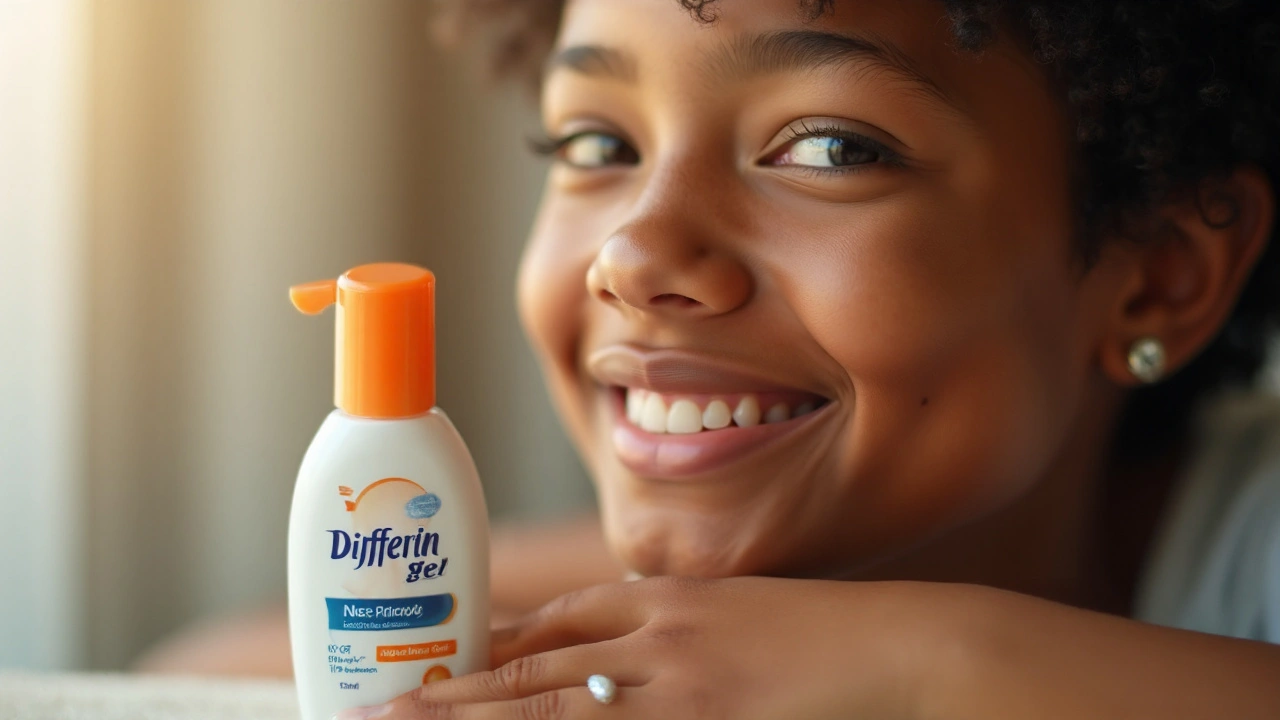
Differin Explained: How Adapalene Works, Benefits & How to Use It
Learn what Differin is, how adapalene fights acne, proper usage tips, side effects, and where to buy in Australia.