
REMS: What You Need to Know About Risk Evaluation and Mitigation Strategies
When you take a powerful medication like REMS, Risk Evaluation and Mitigation Strategies are FDA-mandated safety programs designed to manage serious risks tied to certain drugs. Also known as Risk Evaluation and Mitigation Strategies, these programs aren’t optional—they’re built into the prescription process for drugs that can cause severe harm if used incorrectly. Think insulin, blood thinners like warfarin, or powerful opioids. These aren’t just any pills. They demand more than a prescription. They need a plan.
REMS isn’t one-size-fits-all. Some require special training for doctors. Others force pharmacies to certify they’re equipped to handle the drug. Some even require patients to sign forms, get regular blood tests, or enroll in a monitoring program. It’s not bureaucracy—it’s a safety net. For example, if you’re on warfarin, a blood thinner with a narrow therapeutic window that demands strict monitoring, your doctor might check your INR levels monthly. If you’re prescribed levothyroxine, a thyroid hormone where tiny dose changes can cause big problems, timing and food interactions matter. REMS ties these safety steps directly to the drug’s risk profile.
These programs exist because mistakes can be deadly. A patient taking azithromycin, a macrolide antibiotic linked to dangerous heart rhythm changes, might need an EKG before starting if they have existing heart issues. Someone on SSRIs, antidepressants that can cause hyponatremia in older adults, might need a sodium test after a few weeks. REMS makes sure these red flags aren’t ignored. It turns passive warnings into active protections.
You might think, "Why does this matter to me?" If you’re on a high-risk drug, it matters a lot. REMS doesn’t stop you from getting treatment—it makes sure you get it safely. It’s the difference between a doctor just writing a script and actually making sure you understand the risks, know the signs of trouble, and have a way to report problems. The posts below cover exactly these kinds of medications: the ones that need extra care, the ones that interact with food or other drugs, the ones that can cause dizziness, bleeding, heart issues, or worse. You’ll find guides on documenting safety alerts, managing side effects, and avoiding dangerous combinations. This isn’t just about knowing your meds—it’s about knowing how to stay safe while taking them.
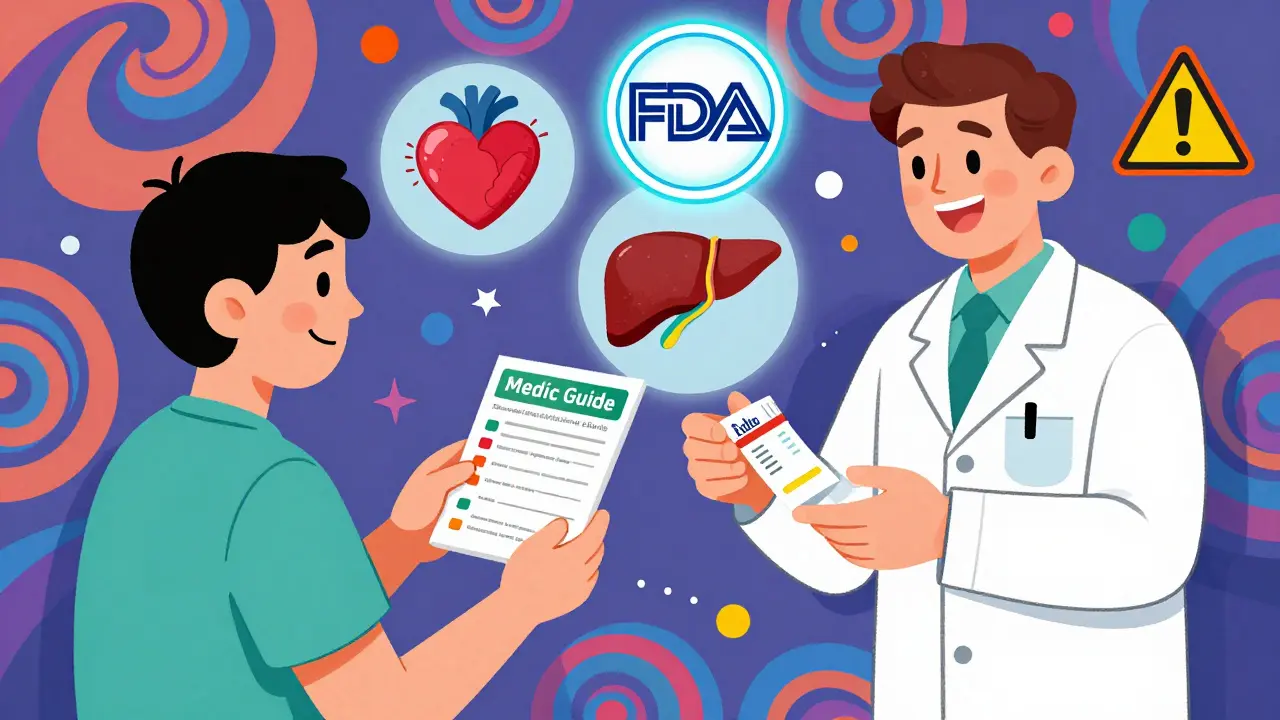
Risk Minimization Tools: Do REMS and Medication Guides Actually Improve Patient Outcomes?
REMS programs are FDA-mandated safety plans for high-risk drugs. But do they actually improve patient outcomes-or just add bureaucracy? We break down the data, the delays, and the real-world impact.
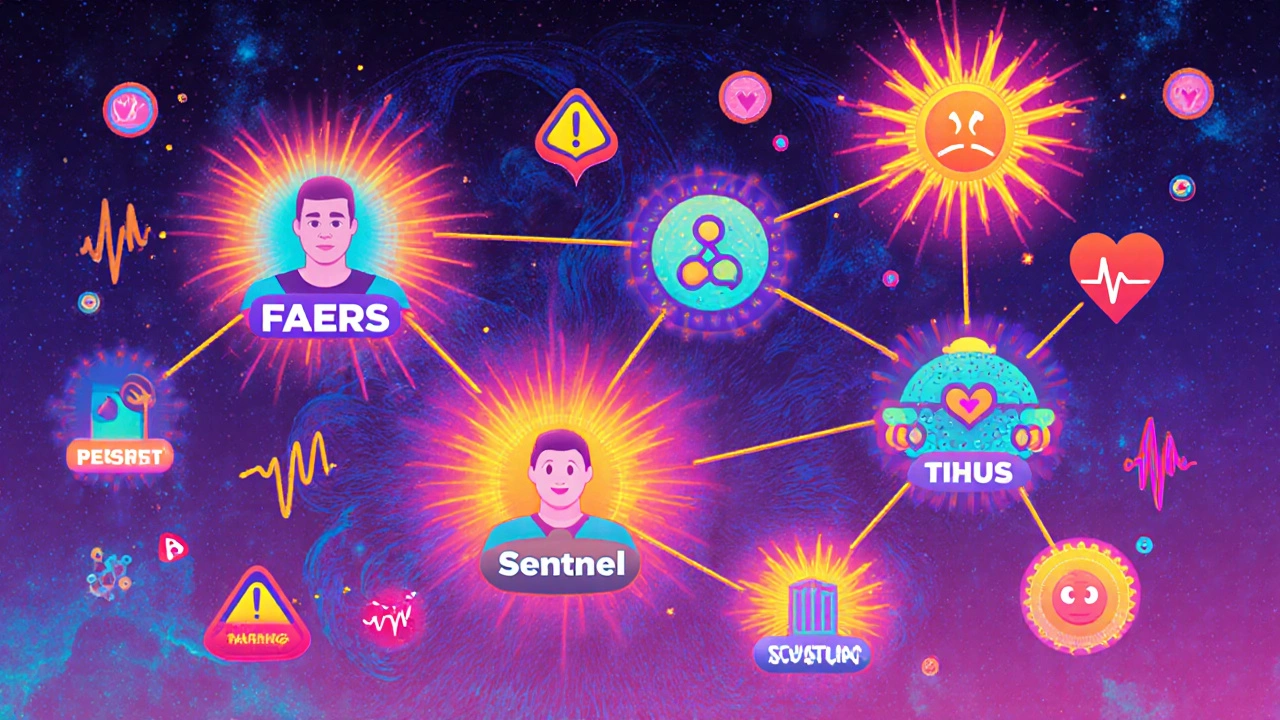
How to Track Post-Marketing Studies for Drug Safety
Learn how to effectively track post-marketing drug safety studies using FAERS, Sentinel, and real-world data. Understand key systems, common delays, regulatory actions, and emerging tools to protect public health.