
Medication Shortages: What Causes Them and How to Stay Prepared
When your pharmacy says medication shortages, a situation where the supply of a drug doesn’t meet patient demand, often due to manufacturing, regulatory, or supply chain issues. Also known as drug shortages, it happens when a pill you rely on simply isn’t in stock—no matter how many times you call. This isn’t rare. In 2023, over 300 drugs were on the FDA’s shortage list, including antibiotics, heart meds, and even basic pain relievers. It’s not about your prescription being discontinued—it’s about the system failing to keep up.
Behind every medication shortage, a situation where the supply of a drug doesn’t meet patient demand, often due to manufacturing, regulatory, or supply chain issues is a chain of problems: one factory shuts down for inspection, a raw ingredient gets delayed at customs, or a company decides it’s not profitable to make a low-cost generic anymore. These aren’t accidents—they’re systemic. The same few manufacturers make most of the world’s generics, so when one hits a snag, dozens of drugs vanish overnight. And it’s not just about price. Even when a drug is cheap, if no one’s making it, you’re out of luck.
Some shortages hit harder than others. Drugs with a narrow therapeutic index, a range where the difference between an effective dose and a toxic one is very small, making substitutions risky—like warfarin or levothyroxine—are especially dangerous to swap. You can’t just switch to another brand and expect the same results. Even small changes in how your body absorbs the drug can lead to clots, strokes, or thyroid crashes. That’s why the FDA tracks these closely and why your pharmacist might call you before filling a new prescription.
What can you do? First, know your meds. Keep a list with names, doses, and why you take them. Second, don’t wait until your last pill to refill—ask for a 30-day supply early if you’ve heard rumors of a shortage. Third, talk to your doctor before switching. Not all generics are equal, and not all alternatives are safe. The posts below show real cases: patients who got confused when their thyroid med changed, others who ended up in the ER because their blood thinner wasn’t available. You’re not alone in this, and you don’t have to guess your way through it.
Below, you’ll find clear, practical advice on how to handle these disruptions—whether you’re on a daily pill, an injection, or something you only take once a week. We cover how to spot when a shortage is coming, how to communicate with your provider, and what to do when your pharmacy runs out. No fluff. No jargon. Just what works when your medicine isn’t there.
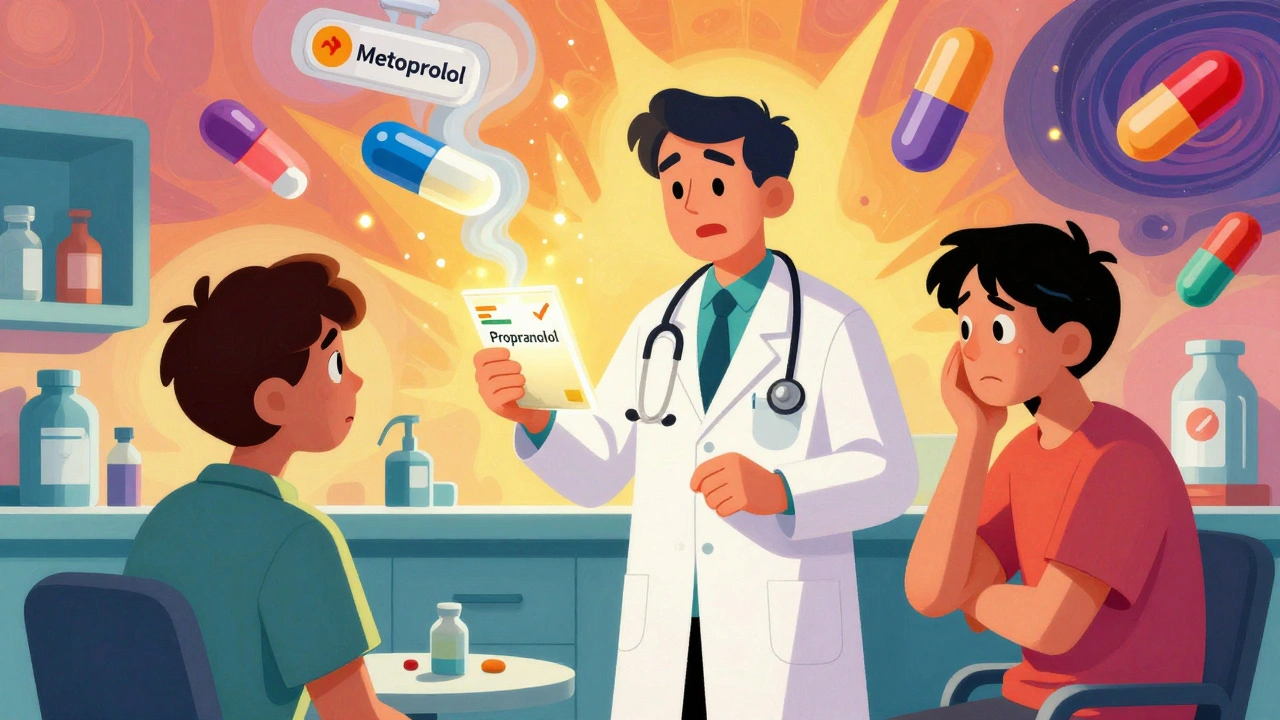
Patient Communication During Drug Shortages: What Providers Must Do
When drugs go missing, providers must communicate clearly, honestly, and empathetically. Learn what healthcare professionals are required to do-and what patients need-to stay safe during medication shortages.