
Low Blood Pressure Standing: Causes, Risks, and What You Can Do
When you stand up and feel lightheaded, blurry, or like the room is spinning, you’re likely dealing with orthostatic hypotension, a sudden drop in blood pressure upon standing that reduces blood flow to the brain. Also known as low blood pressure standing, this isn’t just a minor inconvenience—it can lead to falls, injuries, and hospital visits, especially in older adults or people on certain medications. It’s not normal to feel faint every time you get up from the couch, and it’s not something you should just live with.
This condition often links to blood volume, the total amount of fluid circulating in your bloodstream. If you’re dehydrated, on diuretics, or have conditions like diabetes or Parkinson’s, your body may not hold enough fluid to maintain pressure when gravity pulls blood downward. Some medications—like those for high blood pressure, depression, or erectile dysfunction—can make this worse by relaxing blood vessels or slowing your heart’s response. You might not realize your meds are the culprit until you start noticing symptoms after a dosage change or new prescription.
It’s not just about standing up too fast. People with low blood volume, nerve damage from aging or diabetes, or those recovering from surgery or illness are at higher risk. Even something as simple as a hot shower or a large meal can trigger it. If you’ve been told your dizziness is "just part of getting older," that’s not enough. You deserve to know why it’s happening and what you can do about it.
The good news? Many cases can be managed without drugs. Simple changes—like drinking more water, eating smaller meals, wearing compression socks, or standing up slowly—can make a big difference. Some people find relief by raising the head of their bed or avoiding alcohol. Others need targeted testing to rule out underlying issues like adrenal insufficiency or autonomic neuropathy. The posts below cover real-world cases: how certain drugs like SSRIs or blood thinners contribute to this problem, why some people react differently to generics, and how to track side effects that might be silently affecting your daily life.
You’ll find practical advice on spotting warning signs, adjusting your routine, and talking to your doctor about your meds. Whether you’re managing orthostatic hypotension yourself or helping someone else, this collection gives you the tools to act—before the next dizzy spell turns into a fall.
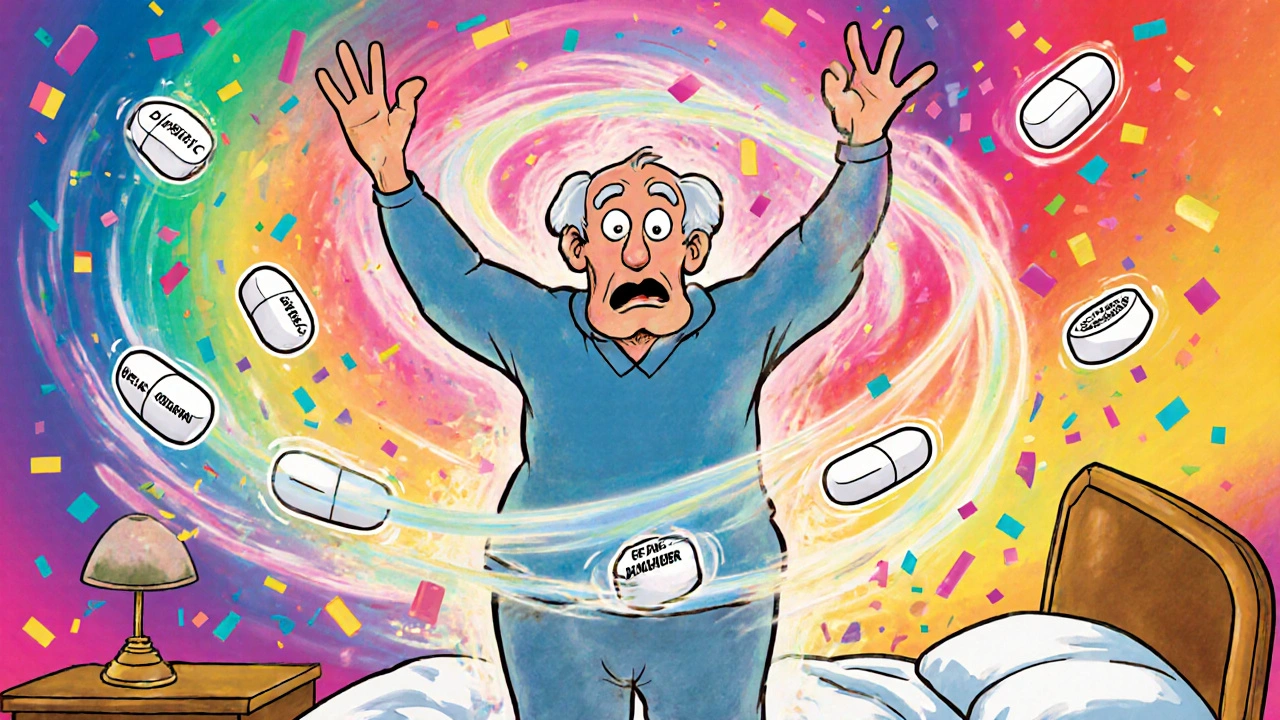
Orthostatic Hypotension from Medications: Why You Feel Dizzy When You Stand Up
Dizziness when standing up? It could be your medications. Learn which drugs cause orthostatic hypotension, how to spot it, and what steps you can take to feel safer on your feet.