
FDA Approval: What It Means for Your Medications and Health
When you hear FDA approval, the U.S. Food and Drug Administration’s official green light for a drug to be sold and prescribed in the United States. Also known as drug clearance, it’s not a guarantee of perfection—it’s a signal that the benefits outweigh the known risks based on clinical data. But here’s the thing: FDA approval is just the start. Many people think once a drug gets the stamp, it’s safe forever. That’s not true. The real story happens after approval—when real people start taking it, side effects show up, and new risks emerge.
Behind every approved drug is a long chain of science, testing, and oversight. The generic drugs, medications that contain the same active ingredient as brand-name versions but cost far less. Also known as bioequivalent drugs, they must meet strict FDA standards for absorption and effectiveness. But even then, some patients notice differences—especially with drugs like levothyroxine or warfarin, where tiny changes in how the body absorbs the drug can matter. That’s why FDA approval doesn’t end at the lab. It includes ongoing monitoring through systems like FAERS and Sentinel, which track adverse reactions from millions of users. This is post-marketing surveillance, the process of watching a drug’s safety after it’s on the market. Also known as pharmacovigilance, it’s how hidden dangers get found—like QT prolongation from macrolide antibiotics or hyponatremia from SSRIs in older adults.
And then there’s the gap between approval and real-world use. A drug can be approved for one condition but prescribed for another. Safety communications from the FDA don’t always reach patients directly—unless you know where to look. That’s why reading FDA safety alerts, understanding medication labels, and tracking changes in your prescriptions matters more than ever. You’re not just a passive recipient of approved drugs—you’re part of the safety network. The posts below show you how to read between the lines of drug information, spot red flags, and protect yourself from errors that even FDA approval can’t always prevent.
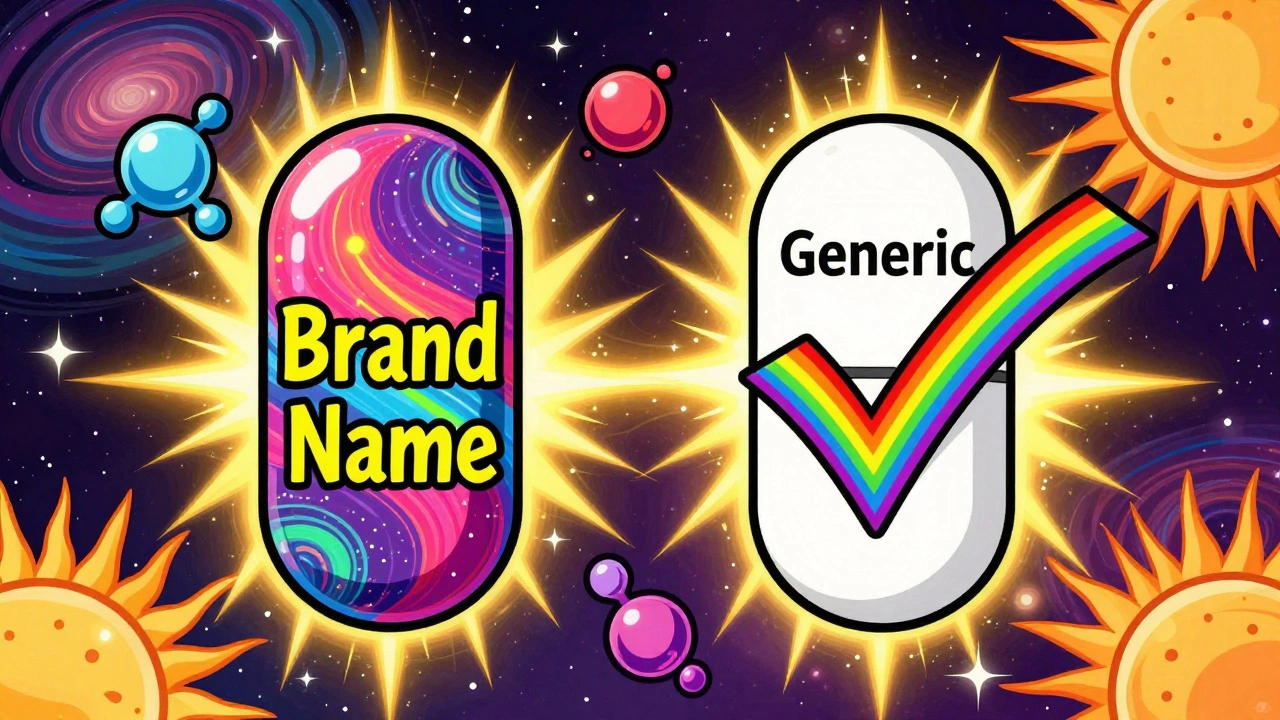
Generic Drugs: Complete Definition and Core Characteristics
Generic drugs are identical to brand-name drugs in active ingredients, strength, and effectiveness, but cost up to 85% less. Learn how the FDA ensures they're safe, how they're approved, and why they're the smart choice for most patients.