
Bioequivalence: What It Means for Your Medication Choices
When you pick up a generic pill, you’re counting on it to do the same job as the brand-name version. That’s where bioequivalence, the scientific standard that proves two drugs release the same amount of active ingredient at the same rate in your body. Also known as therapeutic equivalence, it’s the quiet rule that keeps your prescriptions safe, affordable, and effective. Without it, switching from brand to generic could mean your blood pressure spikes, your depression worsens, or your seizures return—none of which should happen if the drugs are truly equal.
Bioequivalence isn’t just a lab term. It’s what lets your pharmacist swap out a $200 brand-name drug for a $10 generic without asking your doctor. But not all generics are created equal. The FDA requires them to match the original in how fast and how much of the drug enters your bloodstream. That’s measured through blood tests after a single dose, and it has to fall within 80% to 125% of the brand’s levels. If it doesn’t, it doesn’t get approved. You might think, "But I’ve heard generics don’t work as well." That’s usually not bioequivalence—it’s bad storage, fake pills, or your body reacting to inactive ingredients like dyes or fillers. Real bioequivalence means the active ingredient behaves the same, no matter the label.
Related to this are generic drugs, medications that contain the same active ingredient as brand-name versions but are sold after the patent expires. They’re the backbone of affordable care. Then there’s drug absorption, how quickly and completely your body takes in the medicine. That’s the core of bioequivalence—two pills might look different, but if your body absorbs them the same way, they’re interchangeable. This matters most for drugs with narrow therapeutic windows, like warfarin, levothyroxine, or epilepsy meds, where even small differences can cause harm. That’s why you’ll see posts here about tracking warfarin food interactions, thyroid medication timing, and how to document safety alerts—because bioequivalence only works if you take the drug right.
And here’s the truth: bioequivalence isn’t about cutting corners. It’s about science making care accessible. When you see a post comparing Medexil to Viagra, or Actonel to other osteoporosis drugs, or sulfasalazine dosage guides, you’re seeing the real-world impact of this standard. It’s why you can safely switch from Endep to another tricyclic, or from dutasteride to finasteride, without guessing if it’ll work. The data is there. The rules are strict. And the system works—if you know what to look for.
Below, you’ll find real patient experiences and expert breakdowns on how drug changes affect your body—whether it’s managing side effects, avoiding dangerous interactions, or making sure your medication does exactly what it’s supposed to. No fluff. No marketing. Just clear, practical info built on the science that keeps your pills working—no matter the price tag.
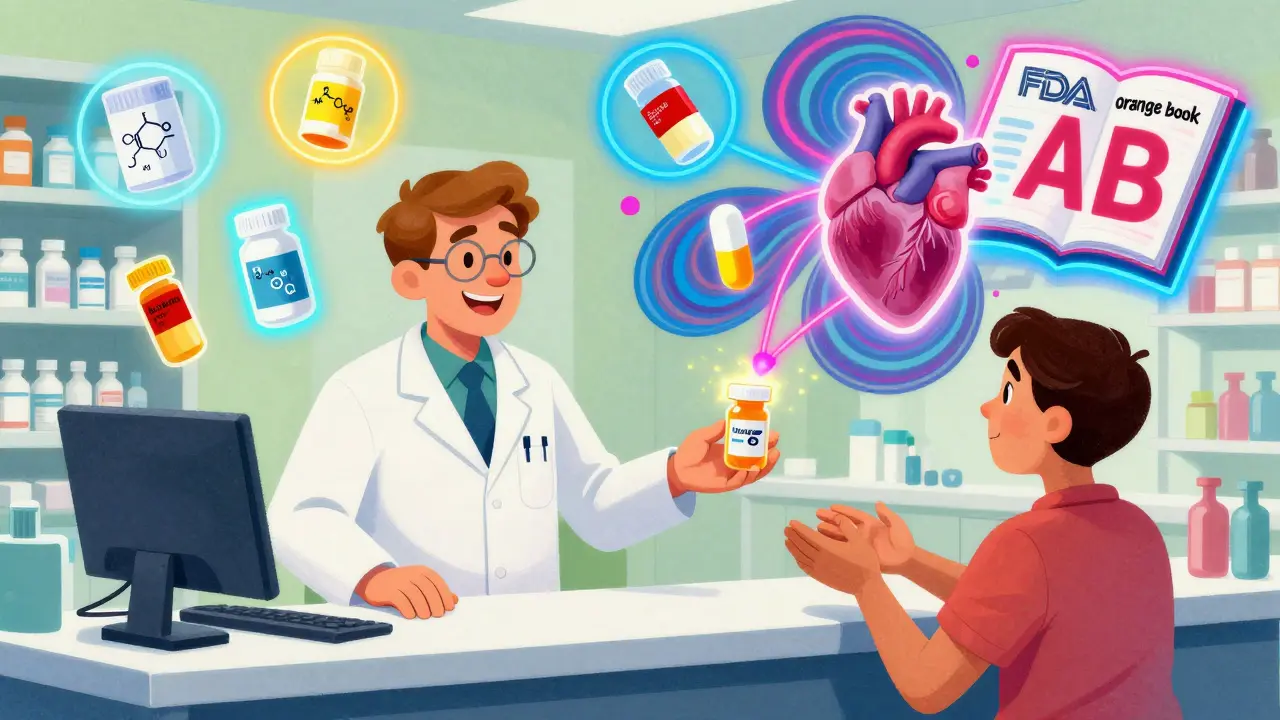
How to Decide Between Multiple Generics for the Same Medication
Learn how to choose between multiple generic versions of the same medication using FDA guidelines, therapeutic equivalence codes, and patient-specific advice. Understand when switching generics is safe - and when it could be risky.
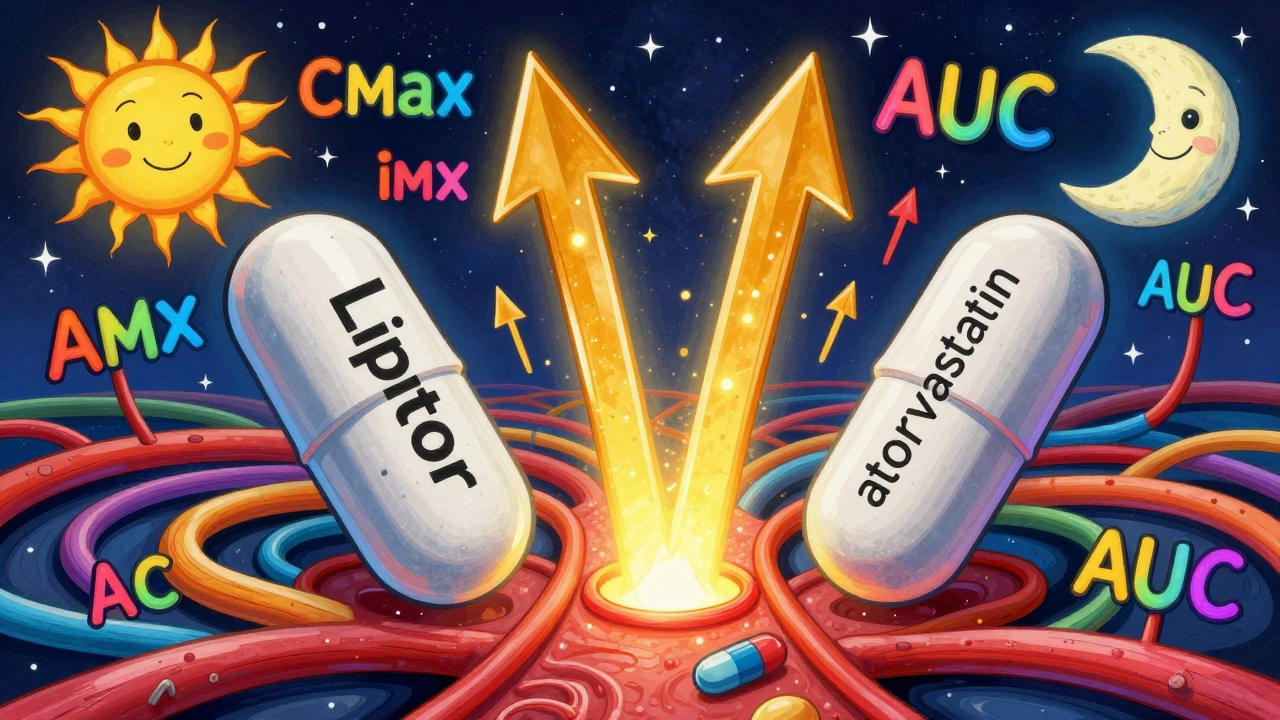
Bioequivalent Medications: What the Term Really Means
Bioequivalent medications are generic drugs proven to work the same as brand-name versions in your body. Learn how the FDA tests them, why they’re safe for most people, and when to be cautious.
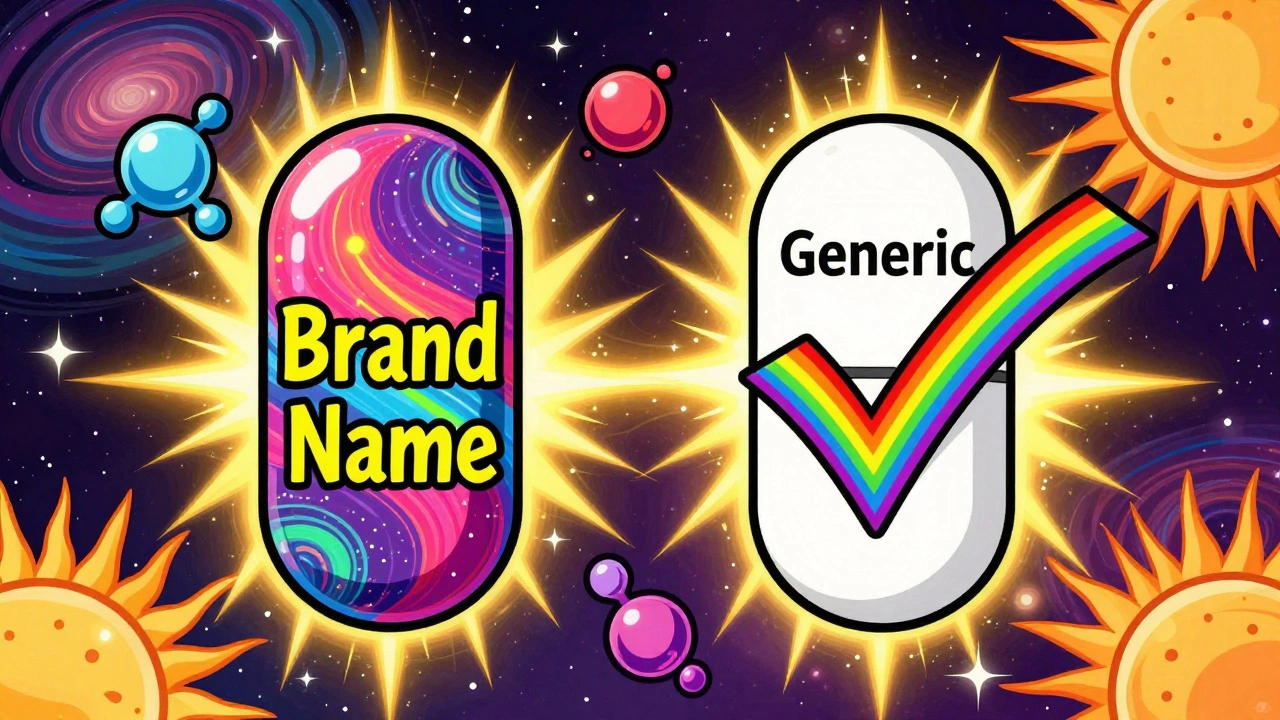
Generic Drugs: Complete Definition and Core Characteristics
Generic drugs are identical to brand-name drugs in active ingredients, strength, and effectiveness, but cost up to 85% less. Learn how the FDA ensures they're safe, how they're approved, and why they're the smart choice for most patients.

Why Some People React Differently to Generic Medications
Generic medications are cheaper, but not always identical in effect. Some people experience worse symptoms after switching due to differences in inactive ingredients and absorption rates-especially with critical drugs like levothyroxine and warfarin.

Generic vs. Brand Name Drugs: What You Really Need to Know About Bioequivalence and Cost Savings
Generic drugs save billions and work just as well as brand-name versions. Learn how bioequivalence works, when to be cautious, and why cost shouldn't make you doubt their safety.

Quality by Design in Generic Drug Development: Modern Science-Based Approaches
Quality by Design (QbD) is now mandatory for generic drug approvals. Learn how modern science-based approaches improve bioequivalence, cut approval times, and reduce costs-while avoiding common pitfalls in implementation.