
Adverse Drug Reactions: What They Are, Why They Happen, and How to Stay Safe
When your body reacts badly to a medicine you took on purpose, that’s an adverse drug reaction, an unintended and harmful response to a medication at normal doses. Also known as drug side effects, these reactions aren’t always obvious — some show up after weeks, others hit within minutes. They’re not rare, and they’re not always your fault. About 1 in 5 people experience at least one noticeable adverse reaction each year, and many more go unreported because they think it’s just "normal" to feel dizzy, nauseous, or sweaty after taking pills.
Not all reactions are the same. Some are predictable — like stomach upset from NSAIDs — and others are surprises, like a sudden heart rhythm problem from an antibiotic you’ve taken before without issue. That’s where QT prolongation, a delay in the heart’s electrical recovery that can trigger dangerous arrhythmias comes in. Drugs like azithromycin and clarithromycin can cause this, especially if you’re older, have existing heart conditions, or are taking other meds that affect your heart. Then there are generic medications, lower-cost copies of brand-name drugs that must meet strict bioequivalence standards. Most work just fine, but for drugs with a narrow therapeutic window — like levothyroxine or warfarin — tiny differences in how they’re absorbed can throw your whole system off balance, leading to under- or over-treatment.
Adverse reactions don’t just come from the active ingredient. Sometimes it’s the fillers, dyes, or coatings — the inactive stuff — that triggers a reaction. That’s why switching from one generic to another, even if they’re both labeled the same, can cause new symptoms. And it’s not just about the drug itself. Mixing alcohol with certain antidepressants, SSRIs in older adults, or even eating too much kale while on warfarin can turn a safe medicine into a risk. These aren’t myths. These are documented, preventable events that show up again and again in real patient stories.
You don’t need to stop taking your meds to stay safe. You need to know what to watch for. Dizziness when standing? That could be orthostatic hypotension from blood pressure drugs. Unexplained sweating or hot flashes? Could be an SSRI or hormone therapy. Nausea after every dose? There are proven ways to manage it without quitting the treatment. The key is catching these early, tracking them, and talking to your doctor before they turn into something worse.
Below, you’ll find real, practical guides on the most common and dangerous adverse reactions people face — from heart risks and drug interactions to sneaky side effects from generics and lifestyle clashes. No fluff. No theory. Just what works, what to avoid, and how to take control before your next reaction hits.
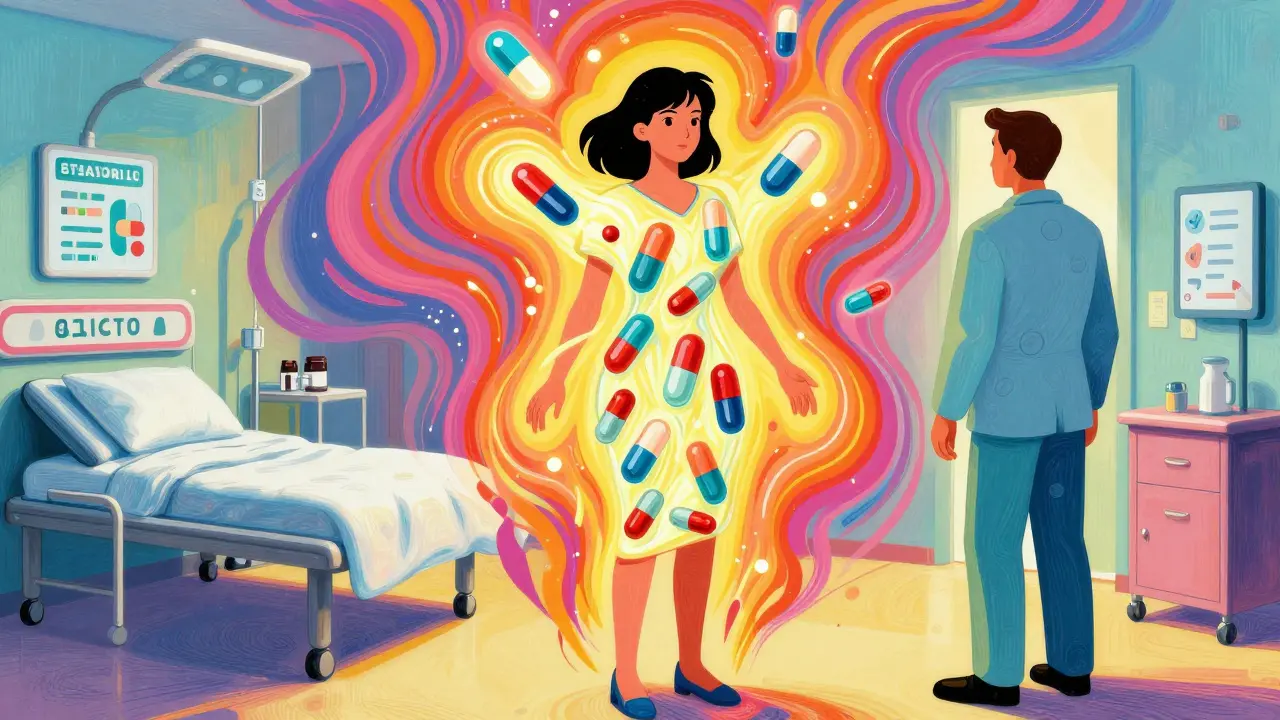
Women vs Men: Why Medication Side Effects Differ by Sex
Women experience adverse drug reactions nearly twice as often as men due to biological differences and decades of male-dominated clinical trials. Learn why dosing needs to change - and what you can do about it.
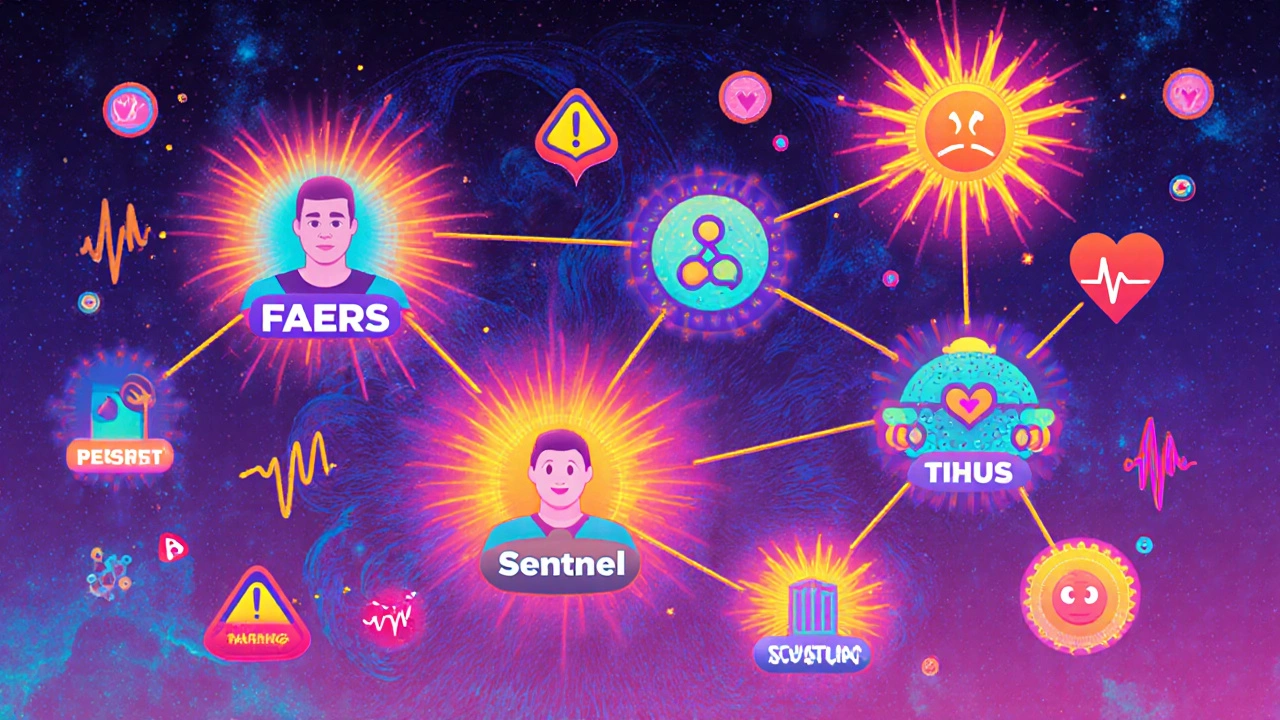
How to Track Post-Marketing Studies for Drug Safety
Learn how to effectively track post-marketing drug safety studies using FAERS, Sentinel, and real-world data. Understand key systems, common delays, regulatory actions, and emerging tools to protect public health.