
Medication Safety and Management in November 2025: Kidney Failure, Drug Interactions, and Adherence Tips
When it comes to medication safety, the practice of using drugs correctly to avoid harm, prevent errors, and ensure effectiveness. Also known as drug safety, it’s not just about taking pills on time—it’s about understanding how your body reacts, what to watch for, and how to speak up when something feels off. In November 2025, DivvyDose dug into real-world risks that most people ignore until it’s too late: how kidney failure, the point where kidneys can no longer filter waste from the blood, often caused by uncontrolled diabetes or high blood pressure quietly builds over years, and why drug interactions, harmful effects when two or more substances mix in the body, like alcohol with blood thinners or antibiotics with heart conditions can turn a simple prescription into a life-threatening event.
What stood out this month? People aren’t just forgetting pills—they’re misunderstanding them. Switching from brand to generic generic medications, lower-cost versions of brand-name drugs that must meet the same standards for active ingredients, but may differ in fillers or absorption can trigger side effects in sensitive patients, especially with drugs like levothyroxine or warfarin. And while medication adherence, the degree to which a patient follows the prescribed treatment plan, including timing, dosage, and frequency is often blamed on forgetfulness, the real issue is confusion: How do you store pill labels so you don’t mix up your blood pressure meds with your antidepressants? How do you know if that nausea is the drug—or just bad luck? The posts this month cut through the noise with straight talk: handwashing reduces infections more than any new drug, and a drug holiday isn’t a vacation—it’s a medical decision that needs a plan.
What You’ll Find in This Archive
This collection isn’t a random list of articles. It’s a roadmap for anyone who takes more than one pill a week, cares for someone who does, or just wants to avoid a preventable mistake. You’ll find clear steps to track your meds, spot dangerous combinations, and know when to call your doctor instead of googling symptoms. From how macrolide antibiotics can mess with your heart rhythm to why warfarin users need to eat the same amount of spinach every day, these posts give you the facts without the fluff. No jargon. No scare tactics. Just what works—and what doesn’t—based on real data and patient experiences. Whether you’re managing a chronic condition, helping an aging parent, or just trying not to get sick from your own meds, this archive gives you the tools to stay in control.

Kidney Failure Causes: How Diabetes, Hypertension, and Glomerulonephritis Damage Your Kidneys
Diabetes, hypertension, and glomerulonephritis are the top three causes of kidney failure. Learn how they damage your kidneys, how fast they progress, and what actually works to stop them - backed by science and real patient data.
How to Store Prescription Labels and Leaflets for Future Reference
Learn how to safely store prescription labels and medication leaflets to prevent errors, avoid dangerous interactions, and ensure accurate care during doctor visits or emergencies. Simple steps for physical and digital organization.

Stroke and Recovery: Essential Rehabilitation Steps After Brain Injury
Stroke recovery isn't just about healing-it's about relearning how to live. Discover the science-backed rehab process that helps survivors regain movement, speech, and independence after brain injury.

How to Improve Adherence for Inhalers, Patches, and Injectables
Learn practical, evidence-based ways to improve adherence for inhalers, patches, and injectables. From proper technique to tech tools and simple habit tricks, this guide helps you take your meds right-every time.
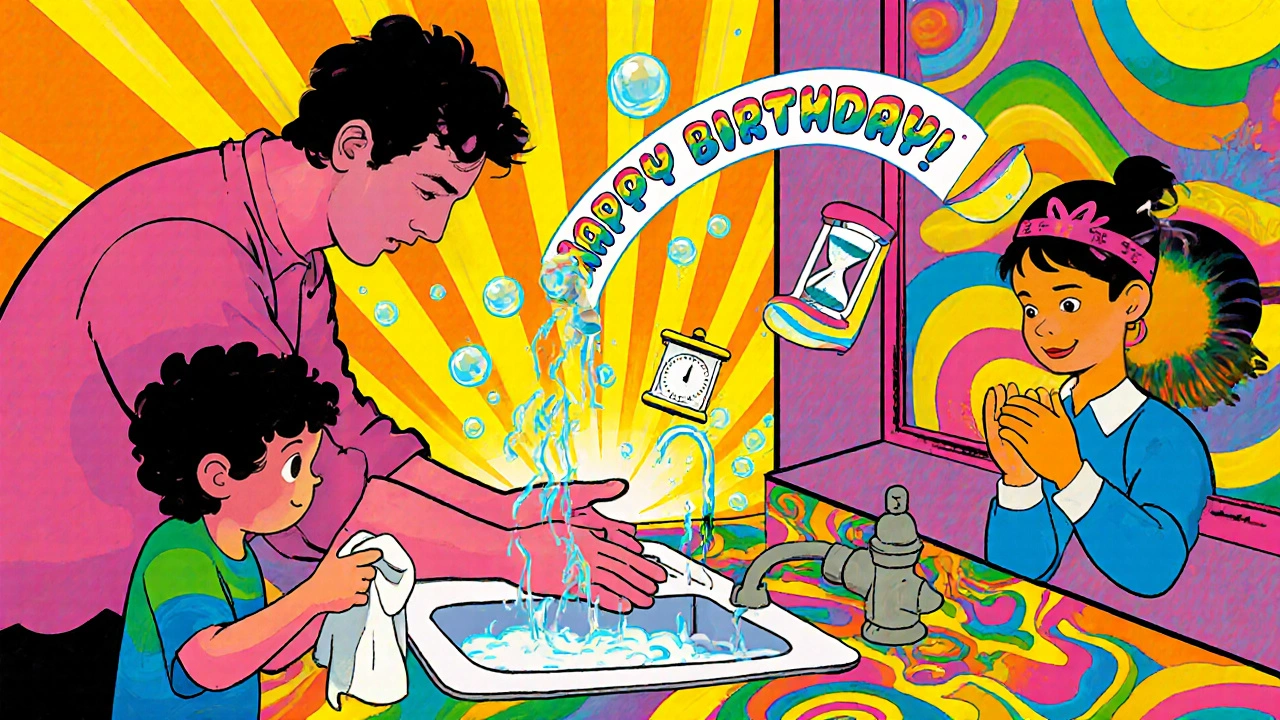
Hand Hygiene: Evidence-Based Infection Prevention at Home
Hand hygiene is the most effective way to prevent infections at home. Learn the science-backed steps for washing hands properly, when to use soap vs. sanitizer, and how to protect your family with simple, low-cost habits.

Liability and Indemnification in Generic Transactions Explained
Indemnification in commercial transactions protects parties from financial losses caused by breaches or third-party claims. Learn how liability works, what clauses to look for, and how to negotiate fair terms in any contract.

Drug Holidays: When Taking a Break from Medication Is Safe and Smart
Drug holidays can help manage side effects like sexual dysfunction or appetite loss-but only when planned and supervised. Learn which meds allow safe breaks, which are dangerous to stop, and how to do it right.
Macrolide Antibiotics and Heart Arrhythmias: What You Need to Know About QT Prolongation Risk
Macrolide antibiotics like azithromycin and clarithromycin can prolong the QT interval, increasing the risk of dangerous heart rhythms. Learn who’s most at risk, how to stay safe, and what alternatives exist.
Why Some People React Differently to Generic Medications
Generic medications are cheaper, but not always identical in effect. Some people experience worse symptoms after switching due to differences in inactive ingredients and absorption rates-especially with critical drugs like levothyroxine and warfarin.

Hip Pain: How Labral Tears and Arthritis Affect Movement - And What You Can Do About It
Learn how labral tears and hip arthritis interact, why movement matters more than rest, and practical ways to modify daily activities to reduce pain and delay surgery - without giving up the things you love.