
Store Prescription Records: Keep Your Medications Safe and Organized
When you store prescription records, a personal log of all your medications, dosages, and doctor instructions. Also known as medication list, it’s not just paperwork—it’s a lifeline. Think of it like a car’s maintenance log: if you don’t track when you last changed the oil, you risk breakdowns. Same with your meds. One wrong dose, one bad interaction, and you could end up in the ER. Over 1.5 million people visit emergency rooms each year because of medication errors—and most of them could’ve been avoided with a simple, updated record.
When you store prescription records, you’re not just writing down names. You’re mapping out risks. Drugs like warfarin, levothyroxine, and insulin are high-alert medications. A tiny mistake in timing or dosage can cause bleeding, thyroid crashes, or even coma. That’s why the FDA and patient safety groups push for medication lists that include not just the drug name, but also why you take it, when you take it, and any warnings—like food interactions or side effects. These lists also help doctors spot drug interactions. For example, mixing alcohol with certain antidepressants or SSRIs can drop your sodium levels dangerously low. Or taking azithromycin with heart meds might trigger an irregular heartbeat. If your record doesn’t include every pill, patch, or injection you use, you’re flying blind.
Most people keep meds in a drawer, a phone note, or worse—just their memory. But that’s not enough. A real store prescription records system means writing down the pharmacy name, refill dates, and any safety alerts from the FDA. It means noting when you had a drug holiday, or when your doctor changed your dose after a lab test. It means keeping a copy in your wallet, on your phone, and with a family member. This isn’t about being obsessive—it’s about being prepared. When you’re rushed in an emergency, or your doctor doesn’t know your full history, that record becomes your voice. You’ll see posts here that show how to document insulin risks, track QT prolongation warnings, or update your list after a new diagnosis. These aren’t theory pieces—they’re real steps used by patients who’ve been burned by errors and refused to let it happen again. What you’ll find below are the exact tools, templates, and habits that cut medication mistakes in half. No fluff. Just what works.
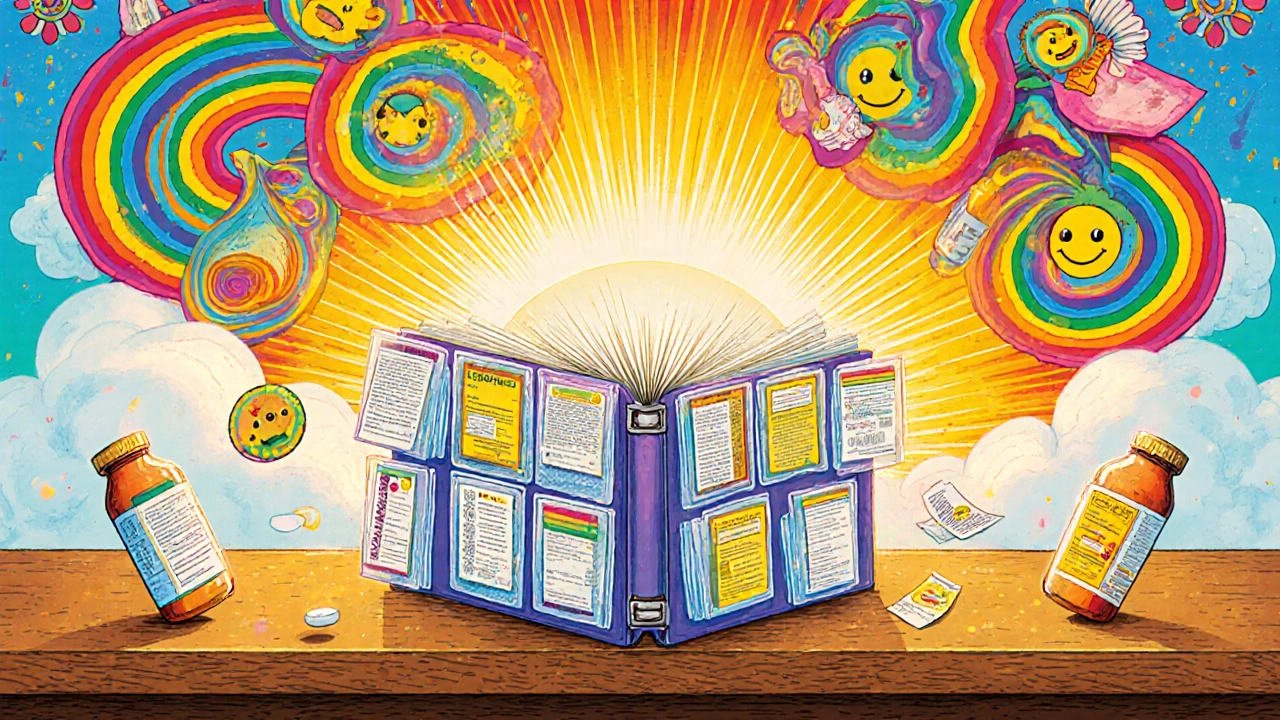
How to Store Prescription Labels and Leaflets for Future Reference
Learn how to safely store prescription labels and medication leaflets to prevent errors, avoid dangerous interactions, and ensure accurate care during doctor visits or emergencies. Simple steps for physical and digital organization.