
Drug Cost Savings: How to Cut Medication Expenses Without Sacrificing Safety
When it comes to drug cost savings, the practice of reducing expenses on prescription medications while maintaining effective treatment. Also known as medication cost reduction, it’s not about skipping pills—it’s about making smarter choices that keep you healthy and your wallet intact. Many people assume cheaper means riskier, but that’s not always true. The real danger isn’t saving money—it’s saving in the wrong way.
Take generic medications, lower-cost versions of brand-name drugs that contain the same active ingredients. Also known as brand-name equivalents, they’re often just as effective—but not always identical in how your body handles them. For drugs like levothyroxine, a thyroid hormone replacement that requires precise dosing. Also known as Synthroid, it’s one of the most common prescriptions in the U.S., even small changes in inactive ingredients can throw off your thyroid levels. That’s why switching brands without checking your TSH can backfire. Same goes for warfarin, a blood thinner where tiny differences in absorption can lead to dangerous bleeding or clots. Also known as Coumadin, it’s not a drug you want to experiment with. These aren’t just side notes—they’re critical safety alerts that should guide every cost-saving decision.
Drug cost savings isn’t just about picking the cheapest pill. It’s about understanding when generics work, when they don’t, and how to avoid hidden costs like hospital visits from bad switches. It’s about knowing which medications allow safe breaks (like some antidepressants), which ones need strict timing (like levothyroxine), and which ones interact dangerously with food or alcohol. It’s about tracking post-marketing studies to catch safety issues before they hurt you. And it’s about documenting alerts on your medication list so no one—doctor, pharmacist, or family member—misses a red flag.
Below, you’ll find real stories and practical guides from people who’ve been there: the senior who cut their monthly script cost by 60% without changing their health outcomes, the patient who switched from brand-name to generic and ended up in the ER, the caregiver who learned how to read between the lines of a drug safety alert. These aren’t theory pieces. They’re field reports from the front lines of medication management. You don’t need to be a pharmacist to use them. You just need to care about staying healthy—and keeping your money where it belongs.
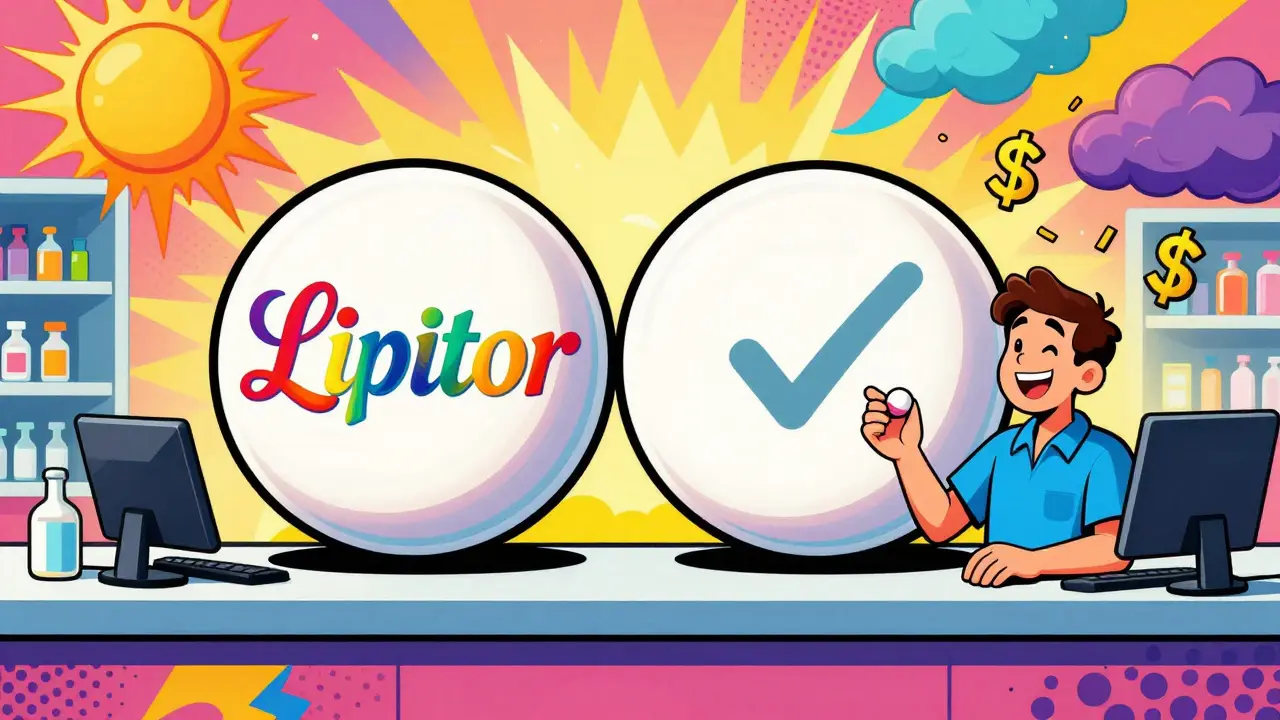
Authorized Generics: A Smarter Switch When Moving Away From Brand Drugs
Authorized generics offer the exact same medication as brand-name drugs at lower prices, making them a safe and smart choice when switching from brand to generic. Ideal for patients on narrow therapeutic index drugs.

Generic vs. Brand Name Drugs: What You Really Need to Know About Bioequivalence and Cost Savings
Generic drugs save billions and work just as well as brand-name versions. Learn how bioequivalence works, when to be cautious, and why cost shouldn't make you doubt their safety.